Architecture in the Footsteps of Reality: When Daylight Becomes Problem-Solving
Category
Daylight & Architecture
Design Philosophy
Author
Kristoffer Lindhardt Weiss
Photography
David Garcia
Henry Glogau
Anders Eugen Lund
Date
23.04.2026
Share
Copy
Light of Tomorrow by VELUX is a competition for architecture students working with daylight as their central theme. Now in its 12th edition, the competition has been inspiring and supporting the next generation of architects since 2004 by encouraging bold, creative thinking and visionary design centred on daylight.
Since its launch, Light of Tomorrow has grown into the largest competition of its kind, attracting students from more than 800 schools across 130 countries and generating over 6,000 projects under the overarching theme Light of Tomorrow. This broad theme is intentionally designed to spark imagination and out-of-the-box ideas, giving students the freedom to experiment with how light can shape spaces, improve lives, and address global challenges.
Organised in close collaboration with the International Union of Architects (UIA), the competition forms part of a broader initiative to place daylight and natural light at the forefront of architectural education worldwide.
The benefits go beyond recognition. Participants gain exposure to an international audience, receive feedback from leading architects, and have the opportunity to showcase innovative concepts that push the boundaries of design. Every two years, hundreds of projects are reviewed by a jury of internationally renowned architects, and the winners exemplify how creative thinking can lead to solutions with global impact.
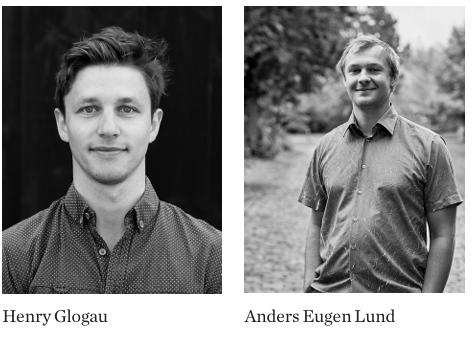
Recent winners, Henry Glogau from New Zealand (2020) and Anders Eugen Lund from Norway (2024), both graduates of the Royal Danish Academy of Fine Arts, stand out for their exceptional understanding of daylight as a resource. Through experimentation and persistent research into materials and site-specific conditions, they offer inspiring ideas for developing solutions for some of the world’s most vulnerable communities—proving that light can truly change lives.
Henry Glogau’s project is an ingenious intervention that uses simple means to create better indoor lighting conditions while also producing clean drinking water. Anders Eugen Lund’s project uses sunlight to create robust façade solutions in a climate where façade erosion is a significant challenge for the local population. Both projects reflect the ambition of Light of Tomorrow by VELUX, which since 2004 has challenged architecture students to rethink the role of daylight in architecture. Together, the two winners represent a generation of architects who see climate change, resource scarcity, and urbanisation not merely as problems, but as design challenges that can be addressed through creative thinking and respect for both people and the environment.
A critical ambition of Light of Tomorrow is to encourage architecture schools to integrate natural light—and natural ventilation—more firmly into their teaching. These ambitions are reflected in the master’s programme Architecture and Extreme Environments at the Royal Danish Academy, founded by architect David Garcia, recipient of the UIA Innovation in Architectural Education Award.
Both winners have been shaped by the thinking and ethos of Architecture and Extreme Environments. Central to the programme’s understanding of architecture is the belief that students must engage with reality through on-site experiments in areas heavily affected by climate change. The approach is consistent: working under conditions of profound resource scarcity, students use available materials and local resources to develop solutions to specific, real-world problems. In these cases, daylight becomes a key resource for addressing urgent challenges faced by local communities.

This work is always carried out with deep respect for local contexts and the people who live with—and are affected by—these challenges, combined with an experimental approach to design and resource use as a fundamental aspect of architectural practice.
The projects are deliberately interdisciplinary, expanding the domain of architecture to include fields such as engineering, design, social interaction design, geography, biotechnology, and more. Architecture is treated as a prism through which a broad field of knowledge is made relevant and woven together into new forms of invention and problem-solving. This is hands-on innovation in the field, where students must demonstrate their problem-solving skills far from the environments they know.
The programme fosters an ethos of engaging with the world as it is, and of form-making grounded in “dirty realism”. From this emerges future-oriented solutions driven equally by curiosity and social engagement. This gives rise to a new type of architect who works from professional and personal experience and translates it into projects. It is an activist pedagogy that insists on situating the knowledge developed in the academy and testing ideas in real life. It is a type of architect who is born global in their outlook and is therefore able to operate in many different contexts, always with the most profound respect for the people and places where they intervene. It is in the tension between the speculative, the innovative and the real problems that solutions arise ‘on site’.


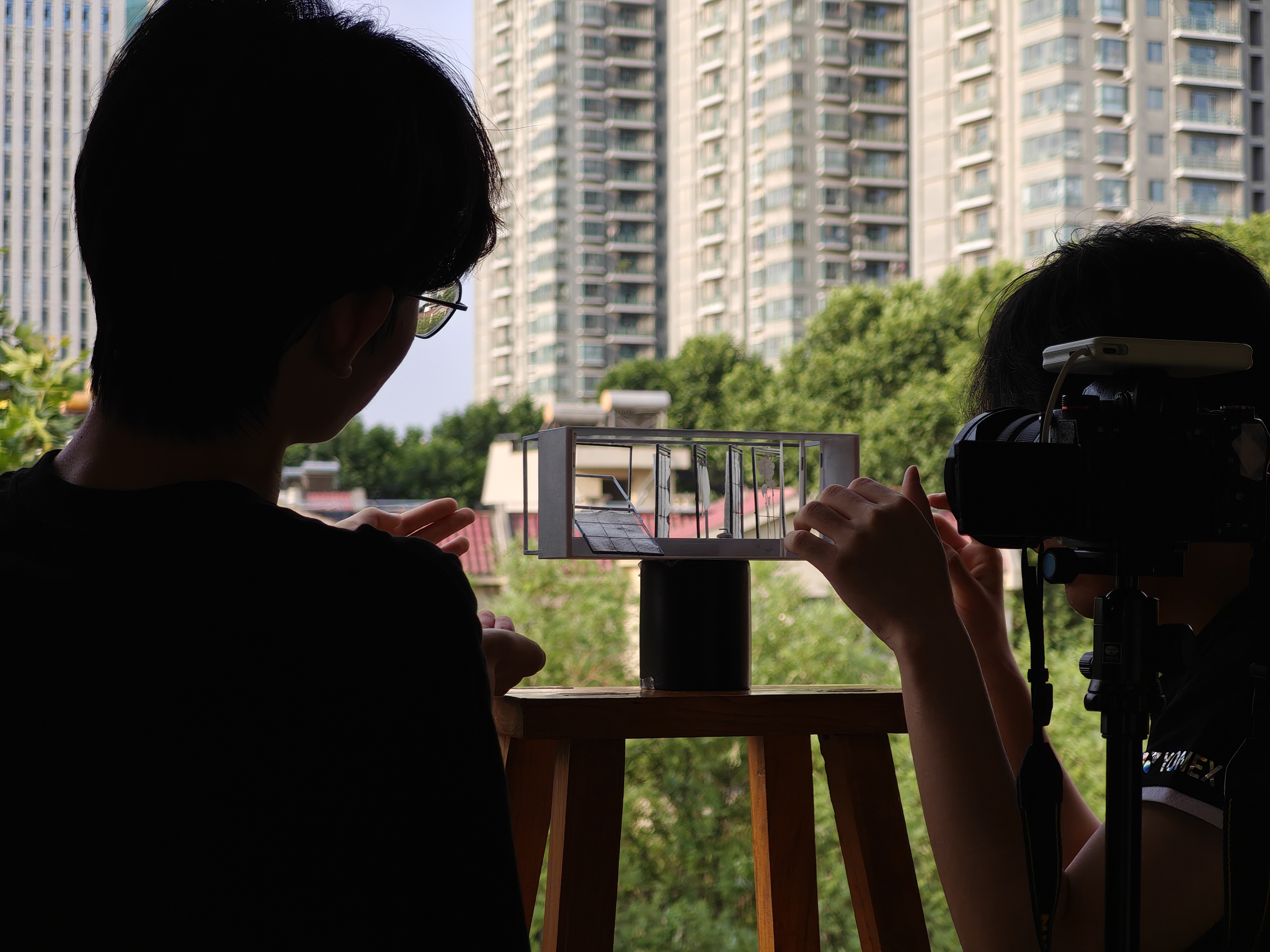
Within the programme, David Garcia describes a particular category of architectural instruments operating at the smallest scale. These artefacts are so small they can barely be called architecture, yet they explore highly relevant architectural questions. Students such as Henry Glogau and Anders Eugen Lund are challenged to design portable prototypes that investigate issues in built environments around the world. The limited scale offers a unique freedom, as many of the constraints of traditional architecture are removed due to the temporary nature of the designs.
Garcia highlights the epistemic value of working with instruments—building, testing, and modifying them in continuous feedback loops. He illustrates this with an anecdote about Frank Gehry famously hammering through his bathroom wall to let in natural light
Henry Glogau: A Skylight That Produces Drinking Water
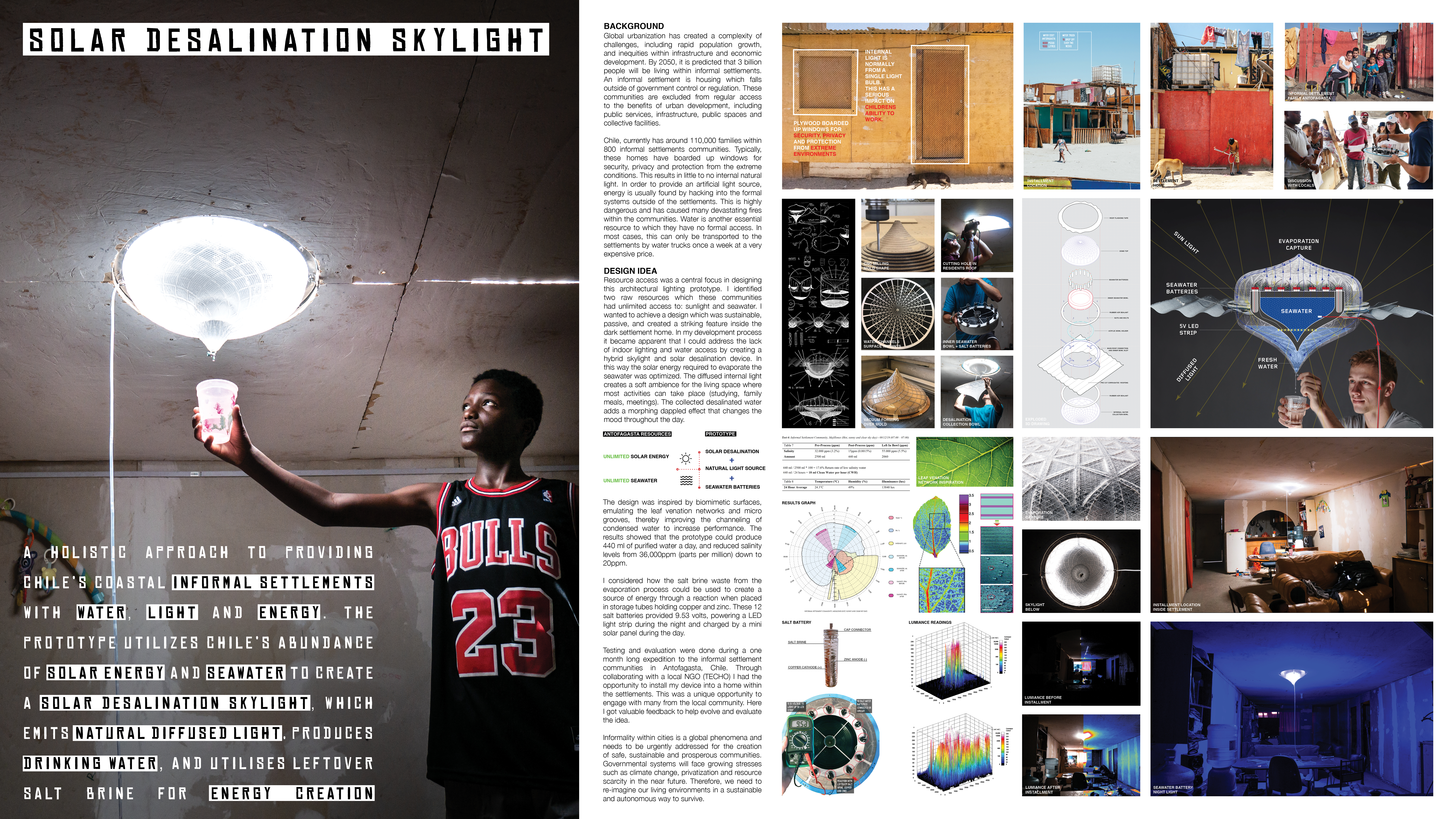
In 2020, Henry Glogau won the global first prize in the Daylight in Buildings category with his project Solar Desalination Skylight. The project consists of a skylight that combines natural light, water production, and energy generation in a single integrated solution.
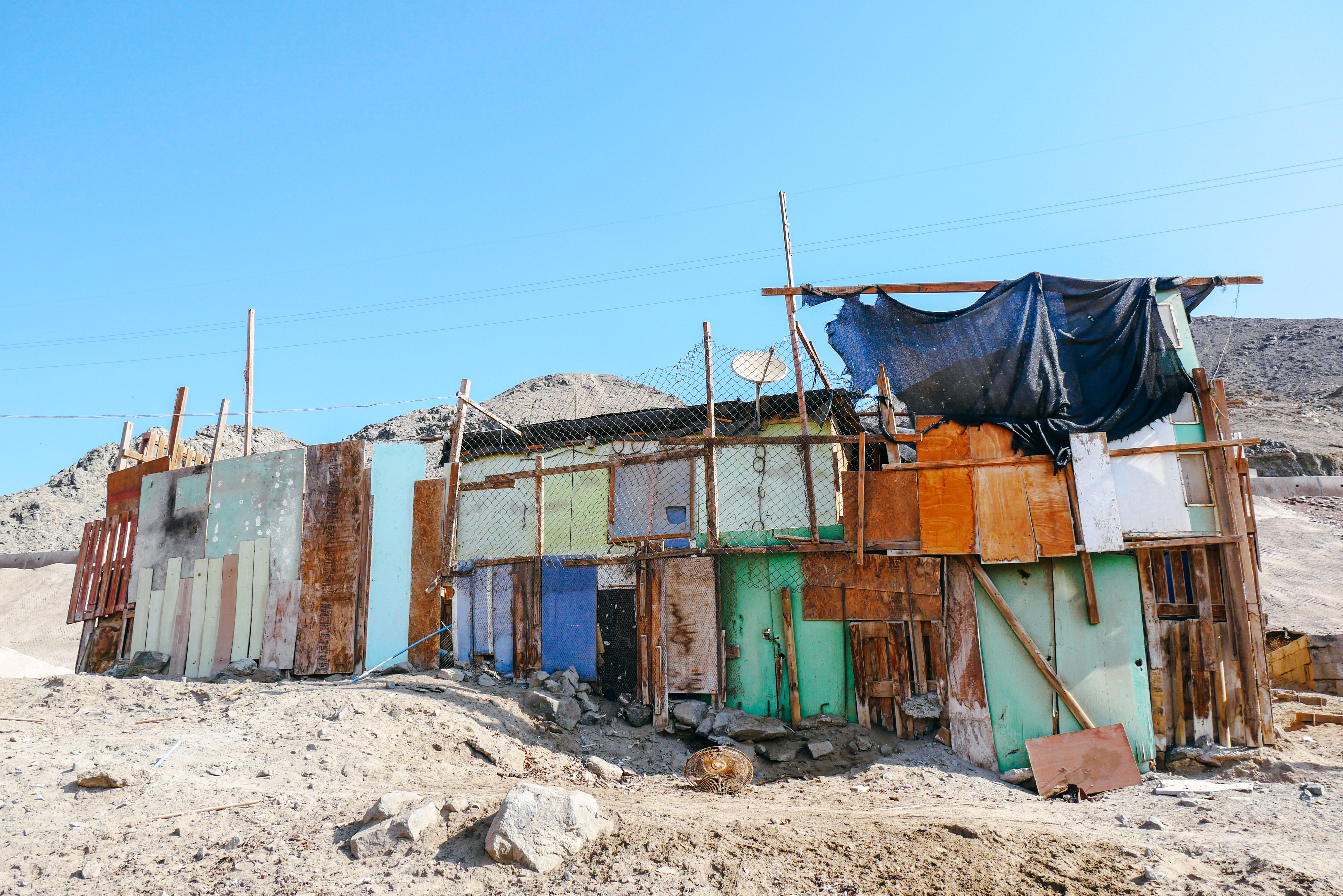
The project stemmed from Glogau’s interest in the challenges faced by informal settlements. In Chile, approximately 110,000 families live in informal settlements where access to basic resources such as clean water and electricity is severely limited. Homes typically have boarded-up windows to protect against weather and crime, leaving residents in dark interiors without natural light. Electricity is often generated by illegally tapping into the formal power grid—a practice that has led to several devastating fires.
Glogau identified two resources that are abundantly available to local communities: sunlight and seawater. Based on this insight, he developed a hybrid skylight that functions as a passive solar desalination unit. The design is inspired by biomimetic surfaces and mimics leaf vein patterns and micro-grooves to optimise the collection of condensed water.
The results were remarkable. The prototype was able to produce 440 ml of clean drinking water per day, reducing salt content from 36,000 ppm to just 20 ppm. The project did not stop there. Glogau also found a use for the leftover brine, which is typically a waste product. By combining the brine with copper and zinc electrodes, he created salt batteries capable of producing 9.53 volts—enough to power LED lighting at night.
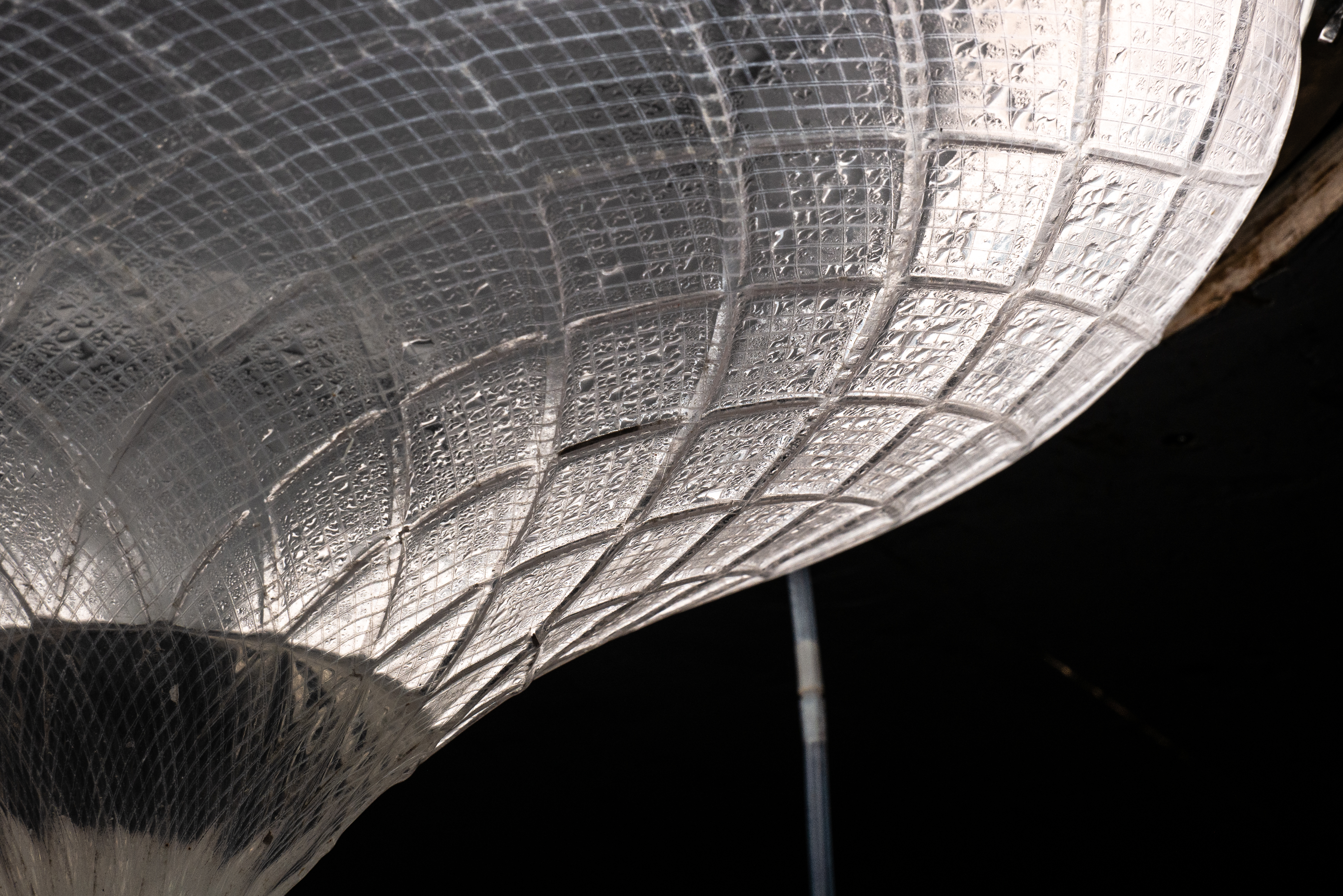

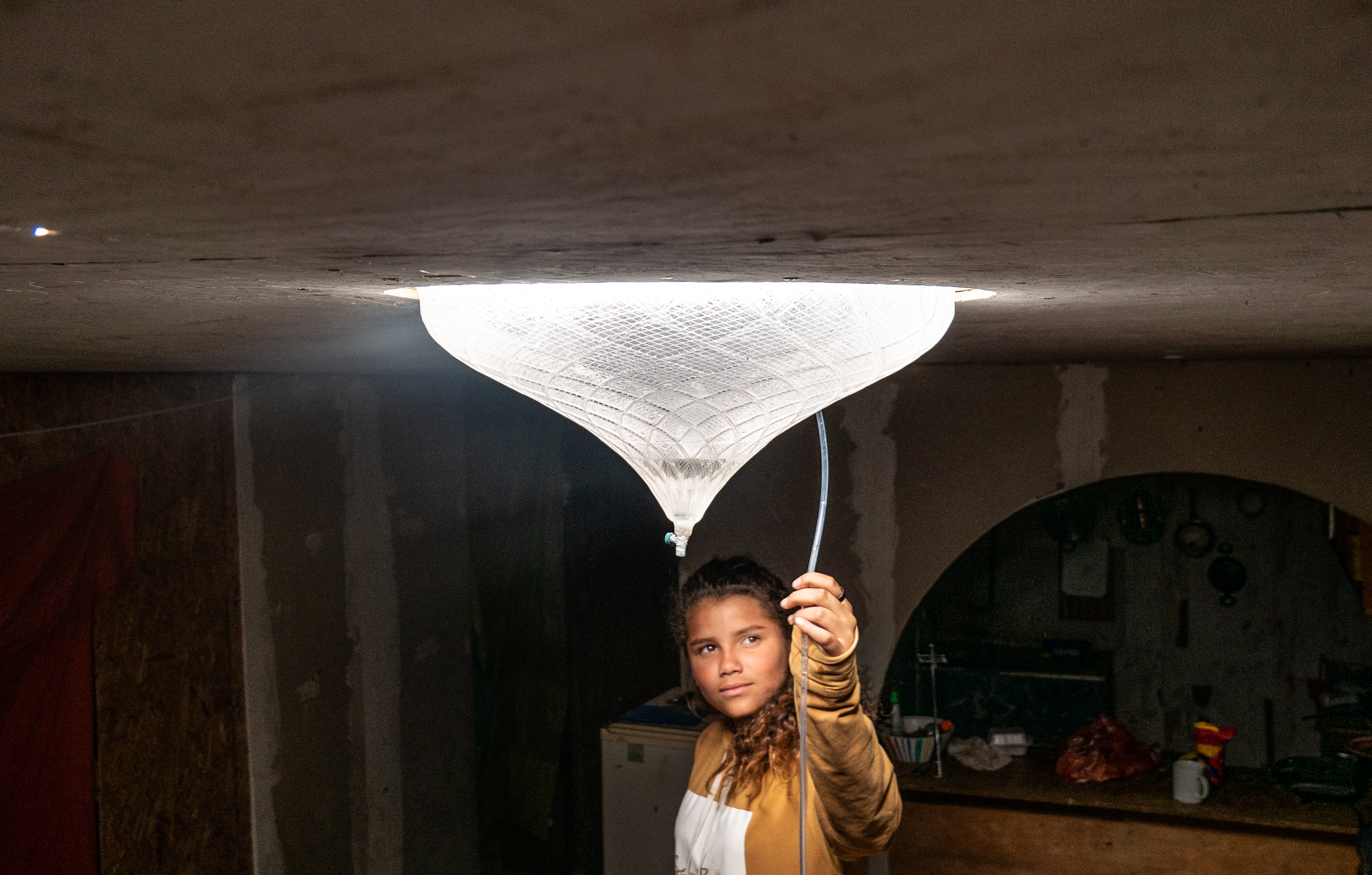
The diffused light passing through the water in the skylight creates a soft and pleasant atmosphere in the home, providing a space where families can study, eat, and gather. The movement of the water creates dynamic light patterns that change throughout the day.
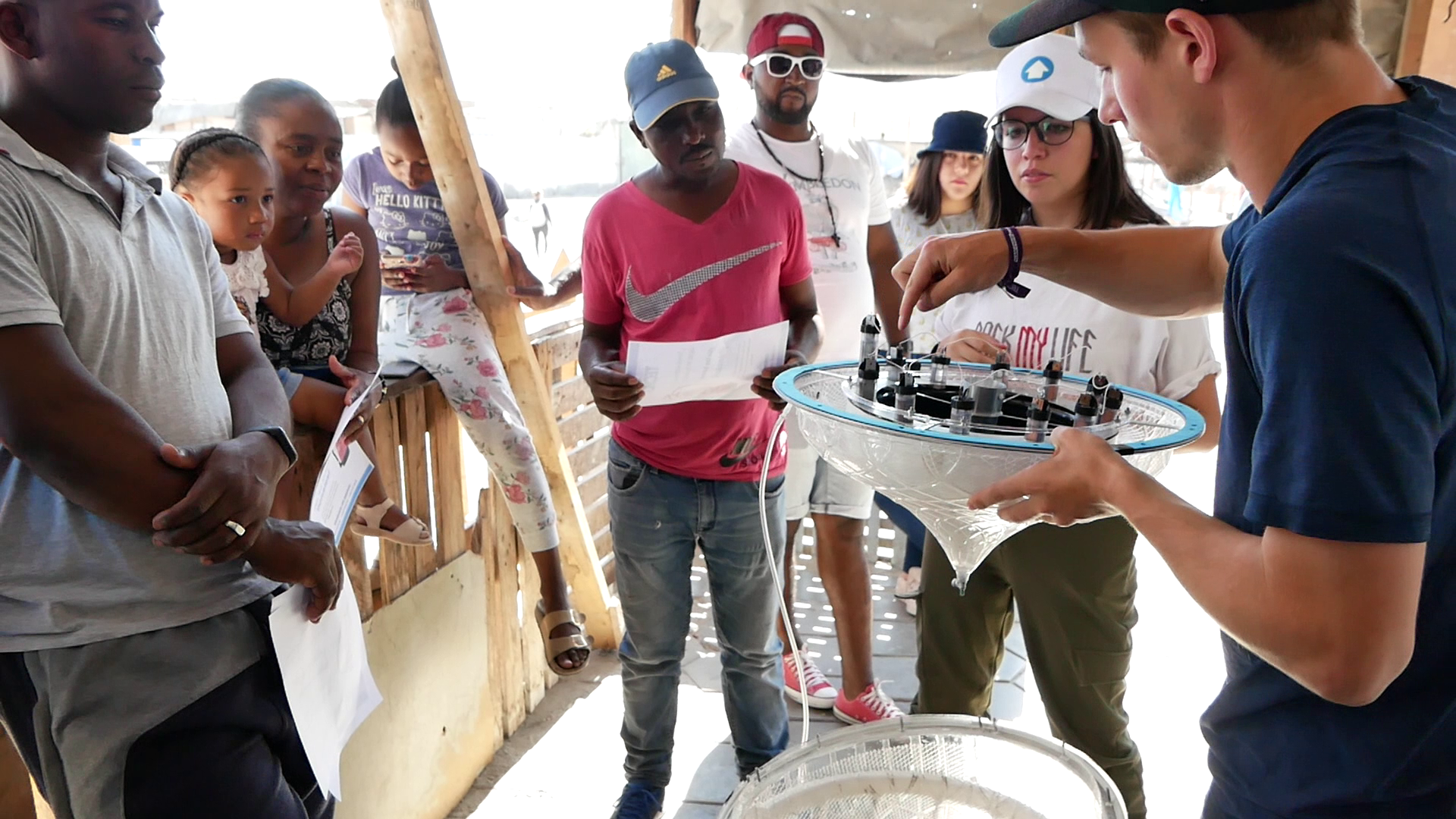
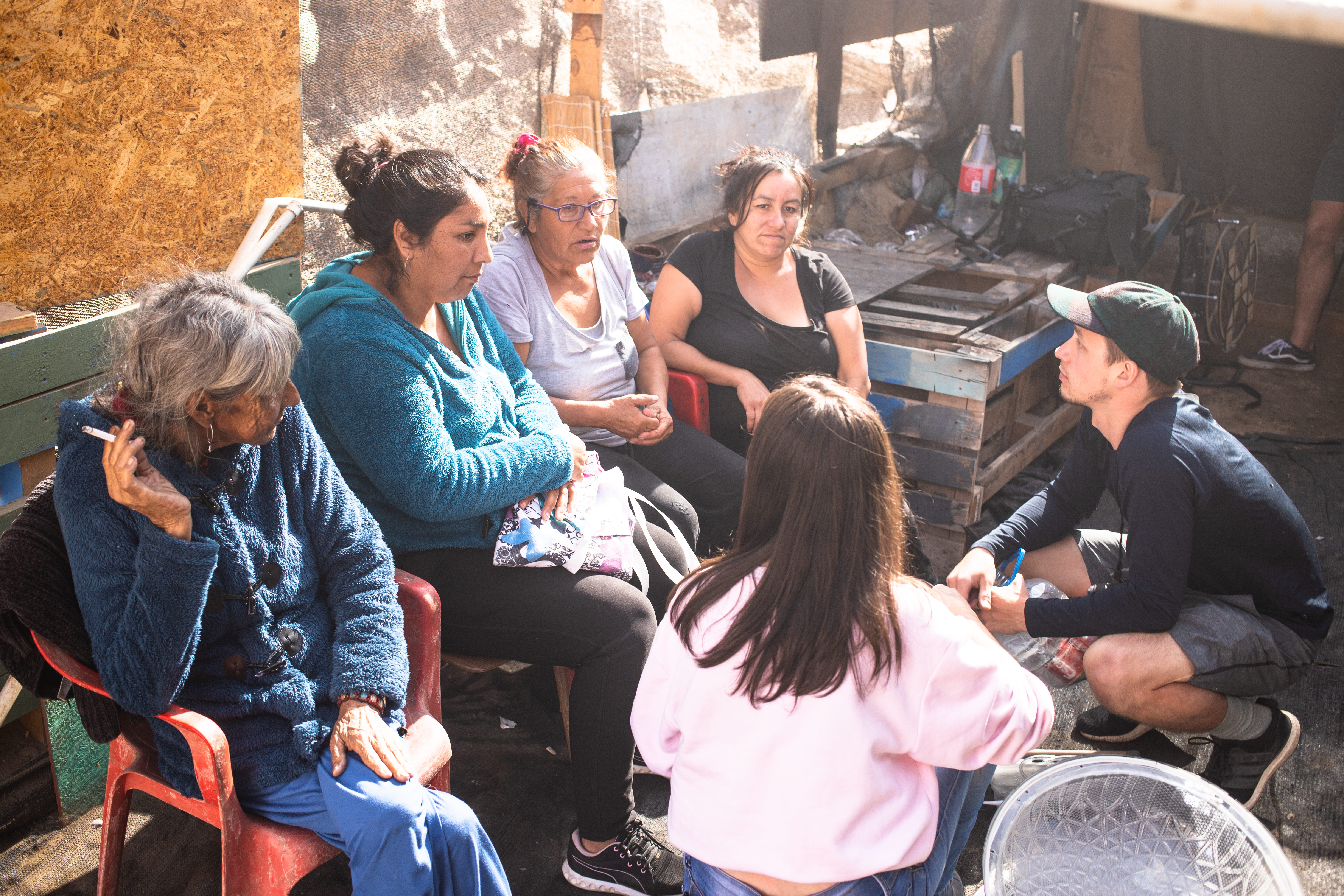
Glogau tested his prototype during a month-long field trip to informal settlements in Antofagasta, Chile, in collaboration with the NGO TECHO. There, he installed the device in a home and received valuable feedback from the local community. In interviews following the award ceremony, Glogau described how the relationship between daylight and water became a compelling design element: the production of fresh water was not only functional, but also contributed to a gentle diffusion of light throughout the home. He emphasised that the idea of creating a multifunctional skylight emerged when he realised that the roof was the optimal location for both desalination and daylight provision.
Anders Eugen Lund: Sunlight That Turns Clay into Ceramics
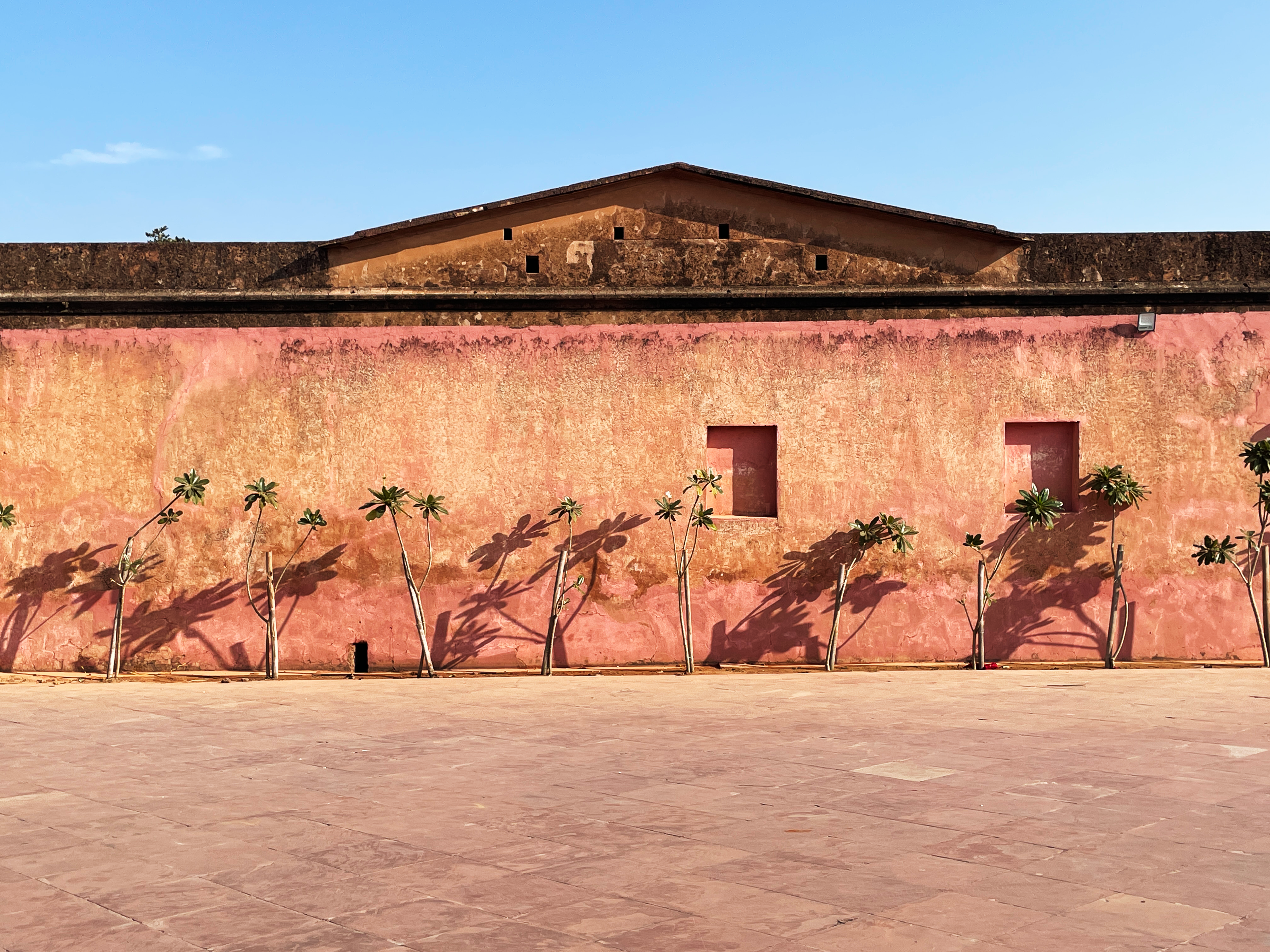
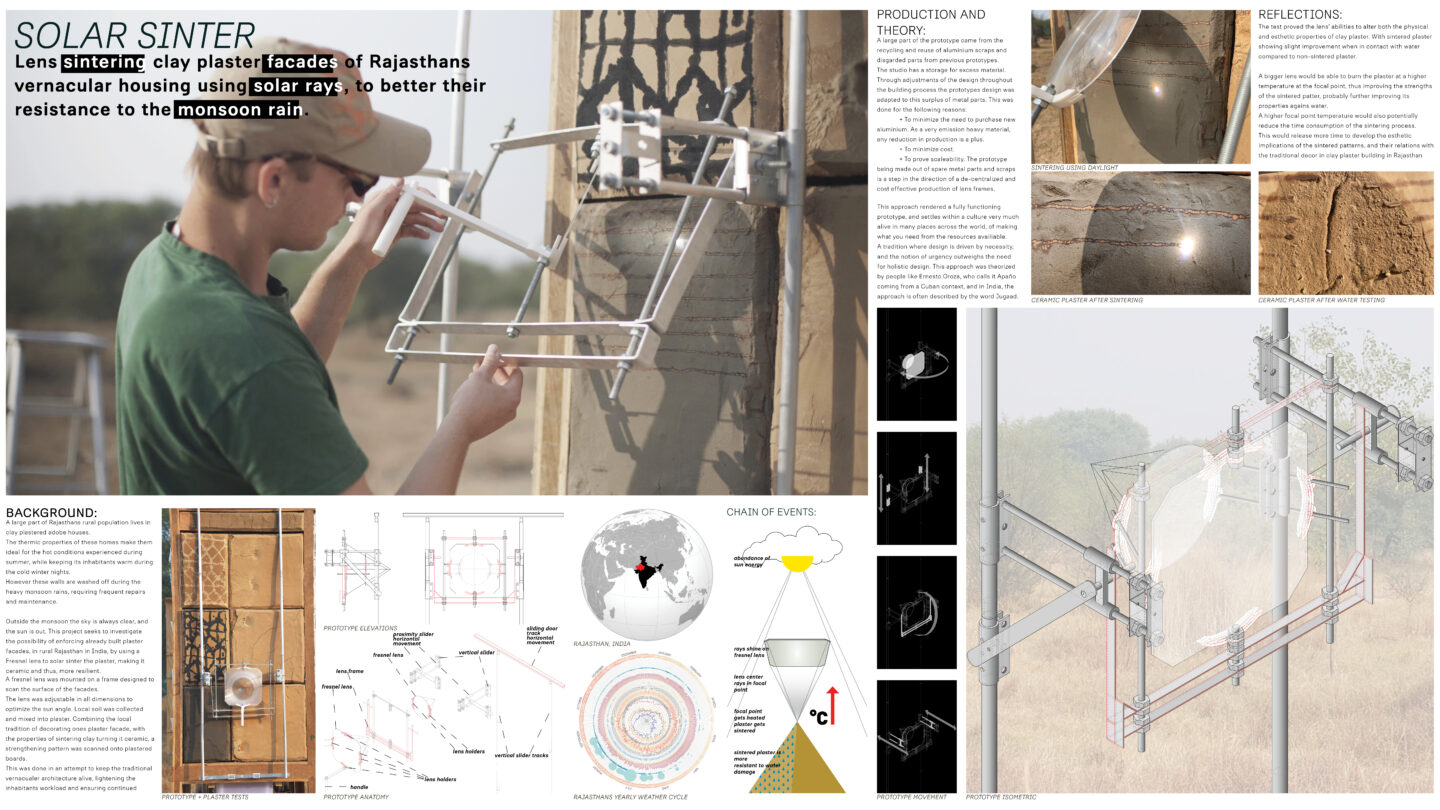
Four years later, in 2024, Anders Eugen Lund was selected by a separate jury as the global first-prize winner in the Daylight Investigations category for his project Solar Sinter. The project offers an innovative solution that uses the sun’s rays to harden clay façades in rural Rajasthan, India.
A large proportion of Rajasthan’s rural population lives in houses with clay-plastered façades. These traditional dwellings have excellent thermal properties, keeping interiors cool during intense summer heat and warm during cold winter nights. However, they have one critical weakness: during monsoon rains, the clay is washed away, requiring frequent repairs.
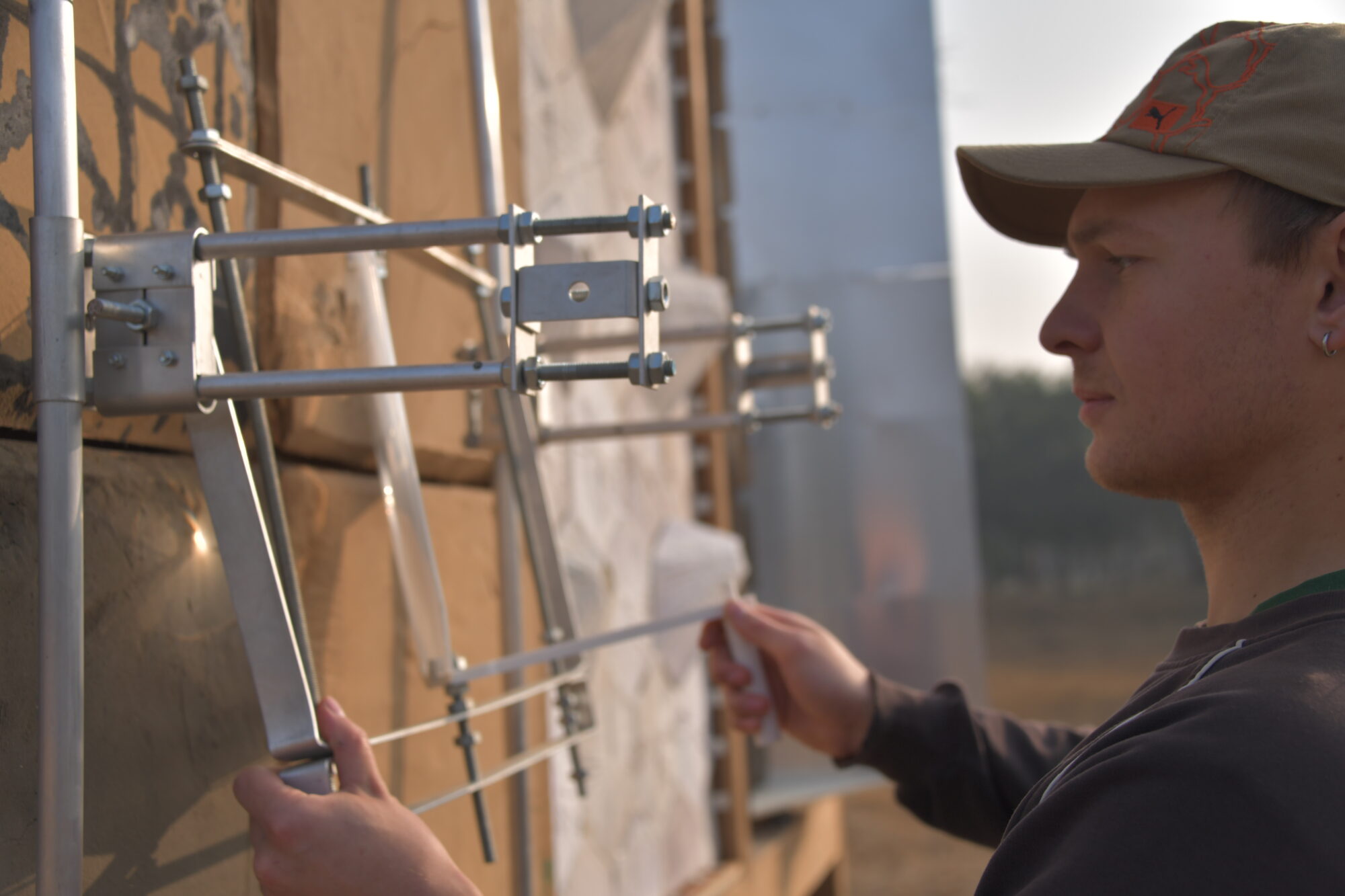
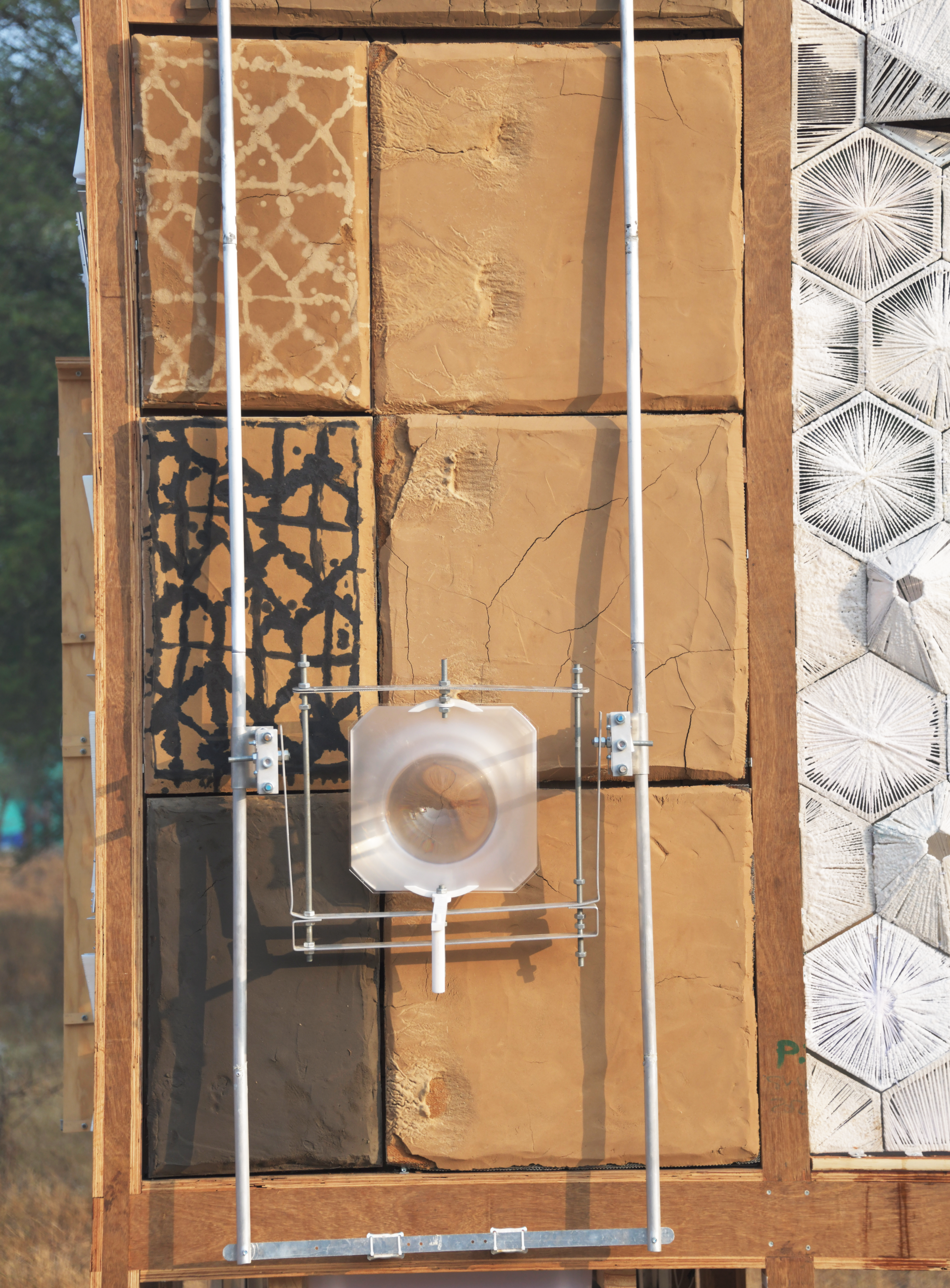
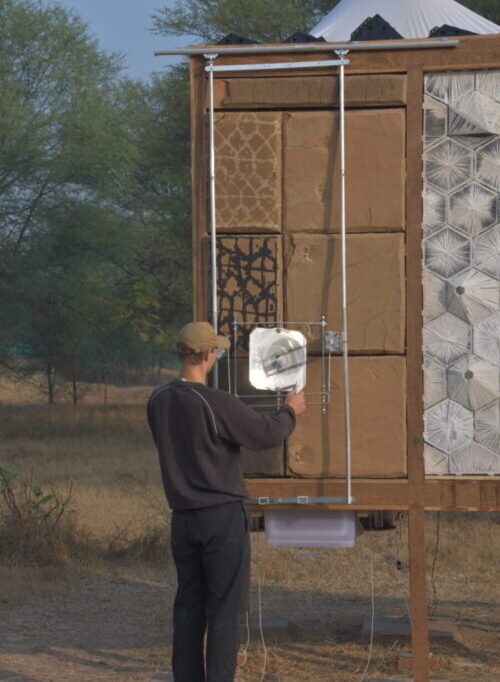
Lund’s solution excels in its simplicity. By mounting a Fresnel lens on an adjustable stand, he focuses sunlight to “sinter”—that is, burn—the clay plaster into ceramics. The resulting ceramic surface is far more resistant to water and erosion than untreated clay.
The project also has a strong cultural dimension. In Rajasthan, decorating clay façades with patterns and ornaments is a long-standing tradition. Lund integrates this tradition into the sintering process by burning decorative patterns into the façades, reinforcing the structure while preserving the local aesthetic.
The prototype was built primarily from recycled materials and surplus aluminium from previous projects, reflecting the jugaad mentality prevalent in India—the art of creating functional solutions from available resources. This approach highlights the project’s potential for decentralised, low-cost, and carbon-neutral production. Jury member Jenni Reuter noted that while the project is not yet fully developed, it demonstrated strong energy, ambition, and thorough craftsmanship.
A Shared Vision: Daylight as a Resource
Although Glogau’s and Lund’s projects address different challenges in different parts of the world, they share a fundamental philosophy: daylight should be understood not merely as illumination, but as an active resource capable of transforming materials, processes, and living conditions. Both projects also demonstrate a deep respect for local traditions and environmental contexts.
Glogau designed his skylight as a familiar, safe, and accessible architectural element that can be integrated into existing homes. Lund, meanwhile, deliberately sought to preserve Rajasthan’s traditional architecture and reduce the workload of residents, rather than replacing local building practices with Western alternatives.
As Glogau expressed in his call to future participants, one should imagine how daylight can not only exist within contemporary living environments, but how it might evolve alongside the living environments of the future. In the face of climate change, resource scarcity, and rapid urbanisation, innovative solutions must continue to be developed—solutions in which daylight evolves in step with these global challenges.
Both Solar Desalination Skylight and Solar Sinter demonstrate that the architecture of the future is about far more than aesthetics. It is about creating meaningful solutions that improve people’s lives by utilising the resources nature provides. And in that equation, sunlight remains one of the most underestimated variables.