THE STUBBORNNESS OF ARCHITECTURE
Category
Daylight
Daylight & Architecture
Magazines Revisited
Research and Innovation
Author
B3 Teaching Unit – the Oslo School of Architecture and Design
Photography
Torben Eskerod
Date
16.07.2026
Source
Daylight and Architecture MAGAZINE, ISSUE #7, 2007
Share
Copy
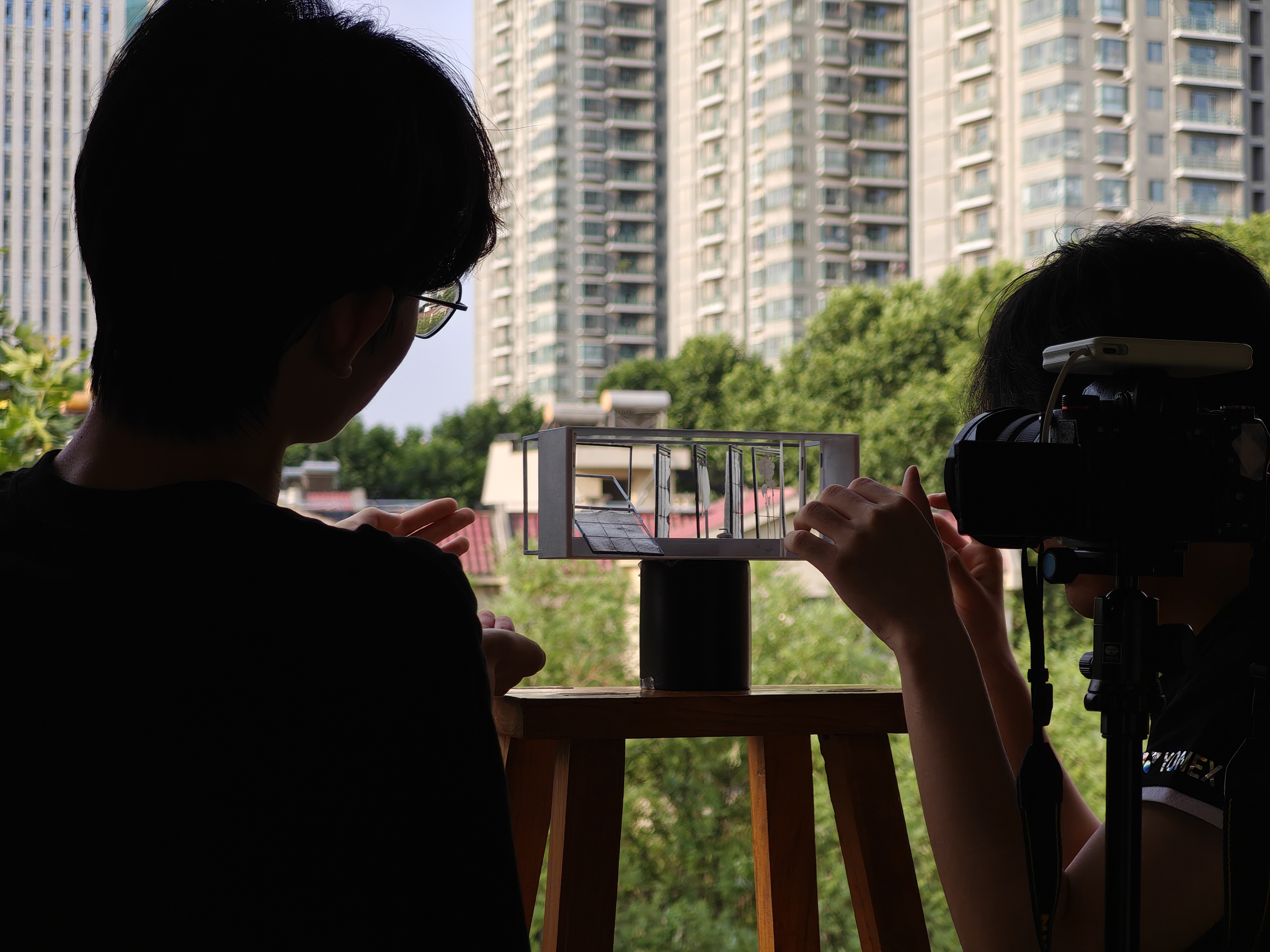
Can daylight be considered an architectural material? Programme B3 students at the Oslo School of Architecture and Design (AHO) made this question the basis for creating a series of unique space-and-light installations that explore ways of manipulating and perceiving light.
Eleven of these ‘Light Machines’, each of which is housed in a cube of 1x1x1 metres, have been built with support from VELUX. They will be exhibited throughout Scandinavia in the next few years.
The B3 light machines, produced during an elective-course in autumn 2004, have no other program or intention than the logic of the machines and their capacity to contain and process light. The only true offering of these machines is the perception of their 3-dimensionality and the acknowledgement of spatiality as the outcome of the machine in its processing of light. The beauty lies in recognizing the machines’ limitations; they do nothing but uncover emotions.
For the first time at least since academia entered the scene, architecture can be regarded as completely open. It lacks a clear program, a distinct praxis, and is without the guidance of a particular moral code. There may exist no other clue then to come into being, and in this sense it is the solely matter of perception.
Recent praxis in architectural education asks if there are still true and common connotations of production and reading of architecture. Architectural education’s motivation remains tied to the discussion and production of the physical, virtual and/or mental space, or it concentrates on the new potential in advanced technology.
What these two discussions have in common is that they question the traditional limitations of architecture. Not only can architectural space move, but the virtual and physical as place can co-exist at the same time. These different spatial time aspects and interpretations of duration and communication have reached a complexity which affects our perception of space.
In education, this extension of the ‘traditional’ limitations of architecture has led to the idea of new potential belonging to the individual. The potential is released on to its own and has an unique capacity to mature towards a ‘personal’ architectural awareness. This individual capacity to mature architectural content is still academia’s toughest challenge, and this in turn affects the notion of ‘human perception’.
1. Anna Nilsson
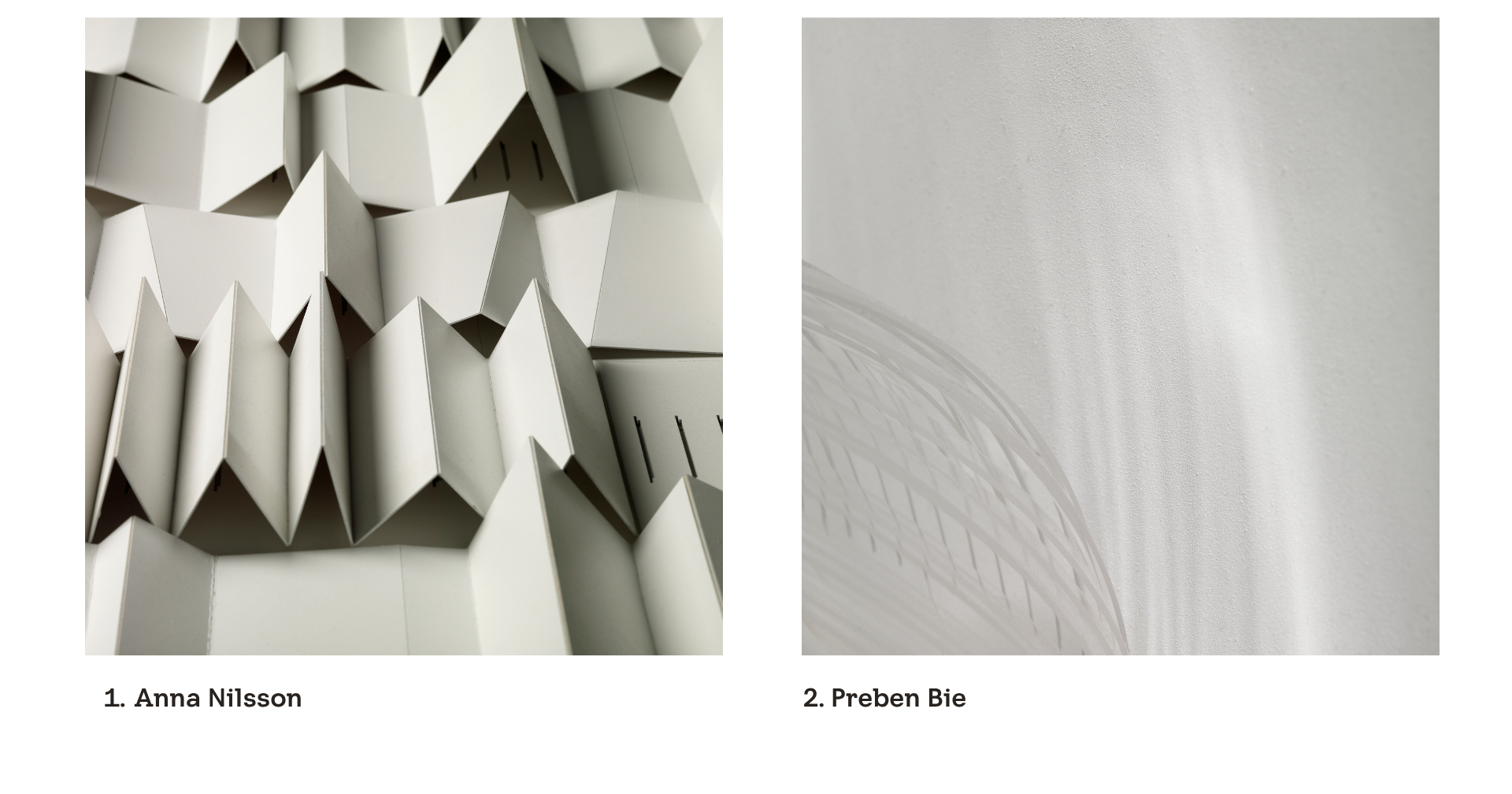
The light machine makes it possible to explore the interaction between light and shadow. This machine processes different types of material, varies the themes in the material or varies the same theme within the same material. The machine functions as a base with a constant set of rules upon which the materials create the various light situations.
2. Preben Bie
The light machine causes movement and variation in space, and creates moving and varying space. Distance, light and reflection affect the plastic strips, and they alter the spatial effect of light and shadow. The contrast is variable, and the lighting dynamics create different three-dimensional depths.
3. Eivind Tandberg
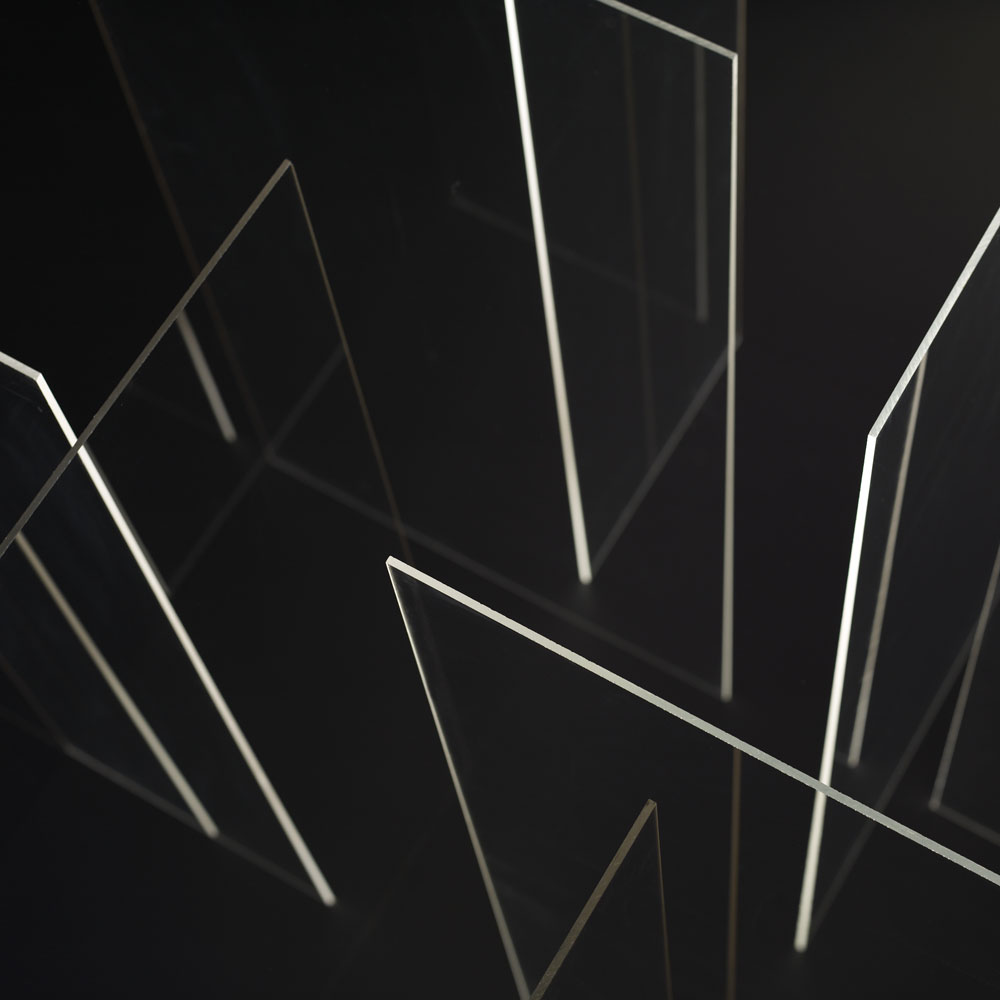
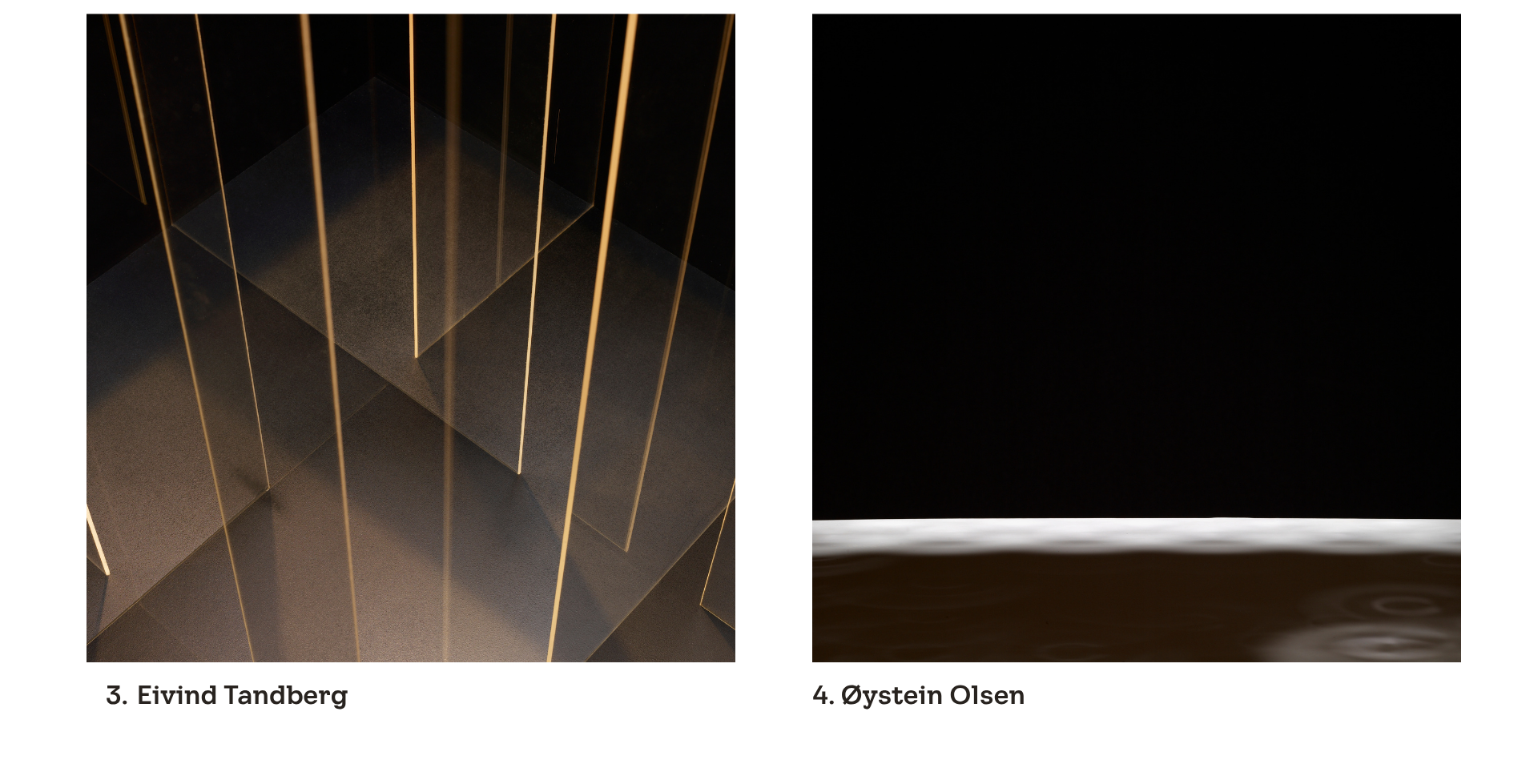
A tiny input of light is carried longitudinally through a glass pane and reflected on to a piece of the same material opposite. If all the panes of glass are arranged so that one input ends as an output, and the output ends as an input, one can start to define the spaces beyond the physical borders of the machine.
4. Øystein Olsen
Light Machine
A cubic room 1m x 1m x 1m
The room’s ceiling is a machine
The machine’s job is to change the space with the help of light
The machine has a sliding panel system where perforated sheets shift their positions and overlap one another. The system has three layers. The middle layer slides in the opposite direction to the other two. The sliding sheets have 3 different sizes of perforation.

5. Morten Hosen
The light machine was made with the intention of producing different light situations. It can be used to dim light through different filters. At each opening there is a holder where different “cassettes” of material are placed. One can for example place a filter on two of the openings and study the effects by way of the third opening. The machine can also study light situations related to material’s reflective ability; this is done by placing a filter at the other end of the opening, so one is studying light through a spatial sequence. For this to be possible the middle opening must be closed and its “cassette” material will be crucial for the degree of reflection.
If one wishes to study a material’s translucency and its ability to challenge the spatial volume’s inner form the method above can be used, but it can also be achieved by placing a filter on the opening opposite the middle opening. If the filters change places one can view the situation from the outside, but the light must first go through the machine. The filters included with the machine are chosen to give a variety of colored light. The choice of filters can be expanded in relation to what material’s light effects one wishes to study.
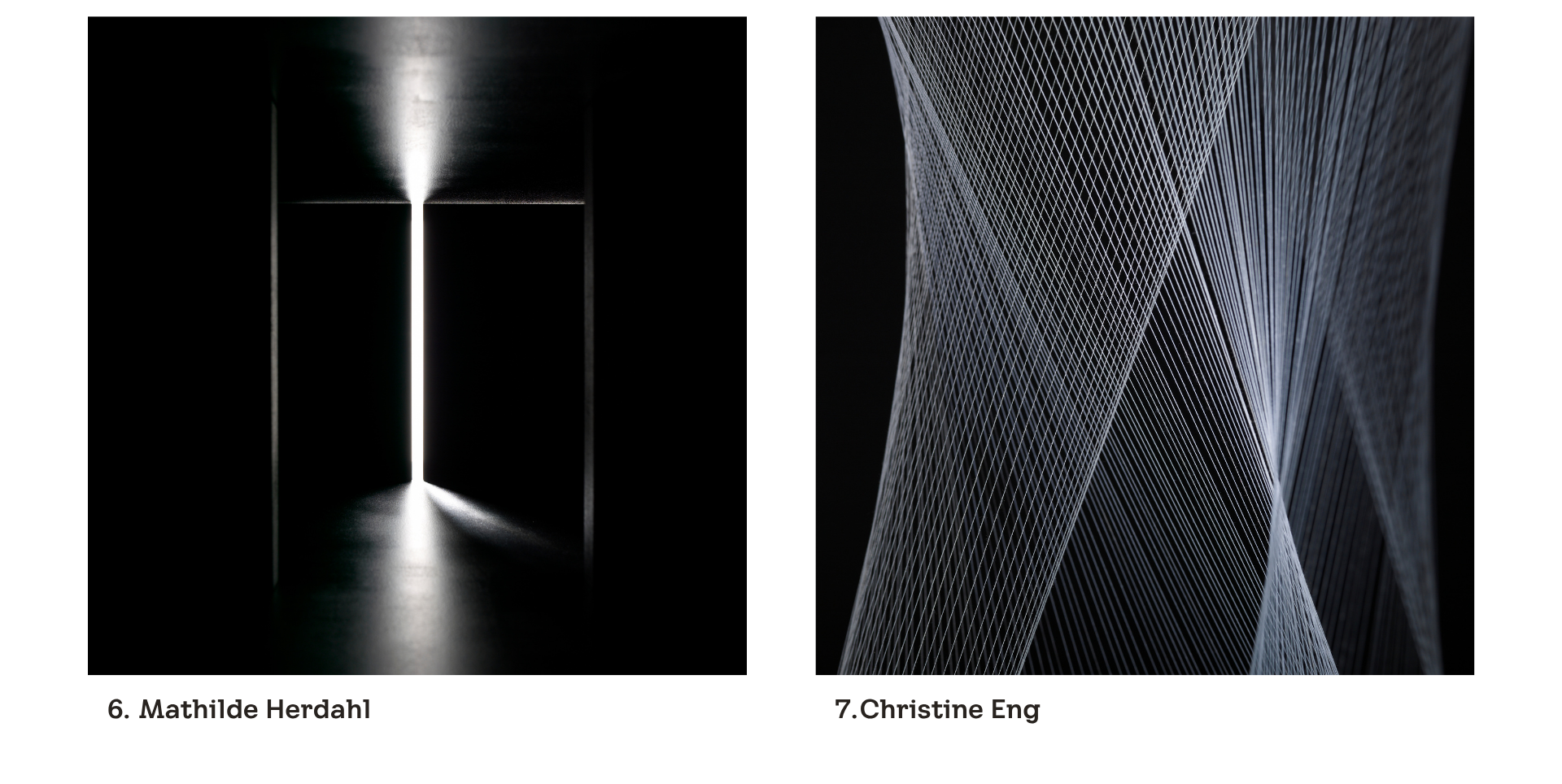
6. Mathilde Herdahl
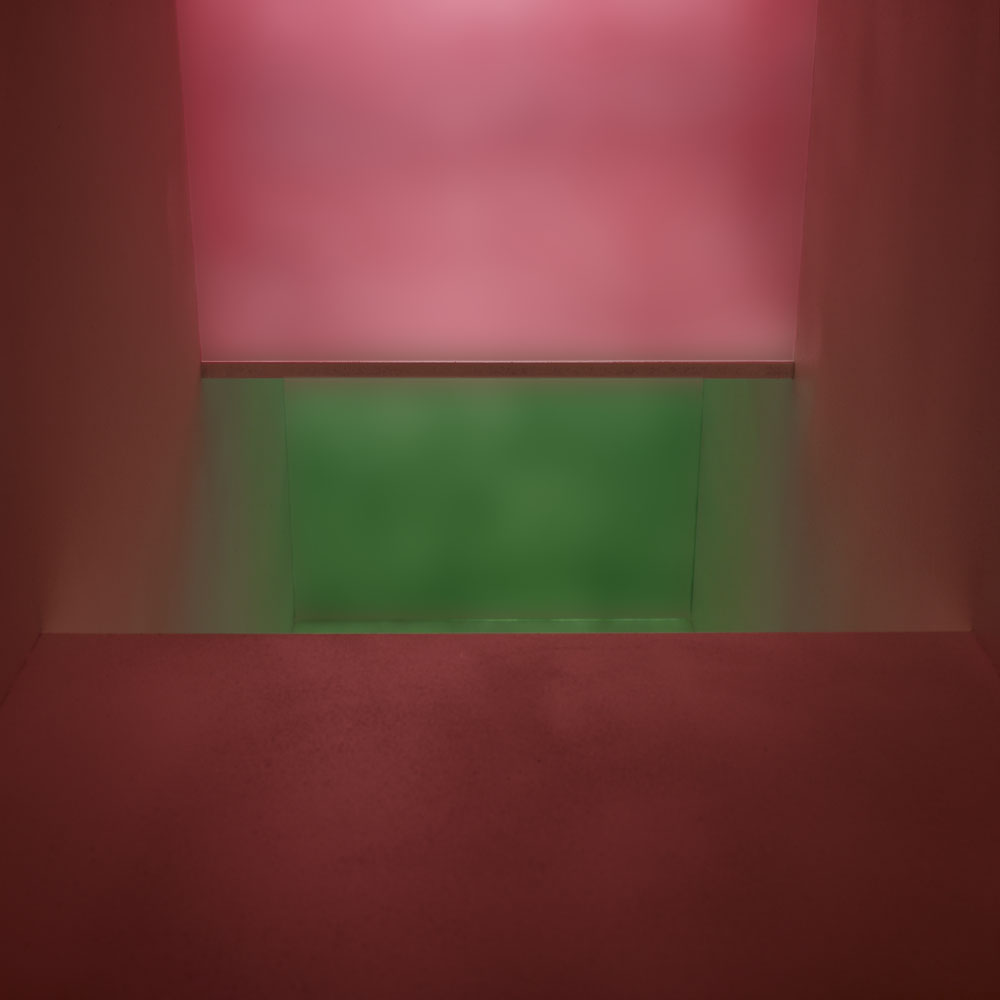
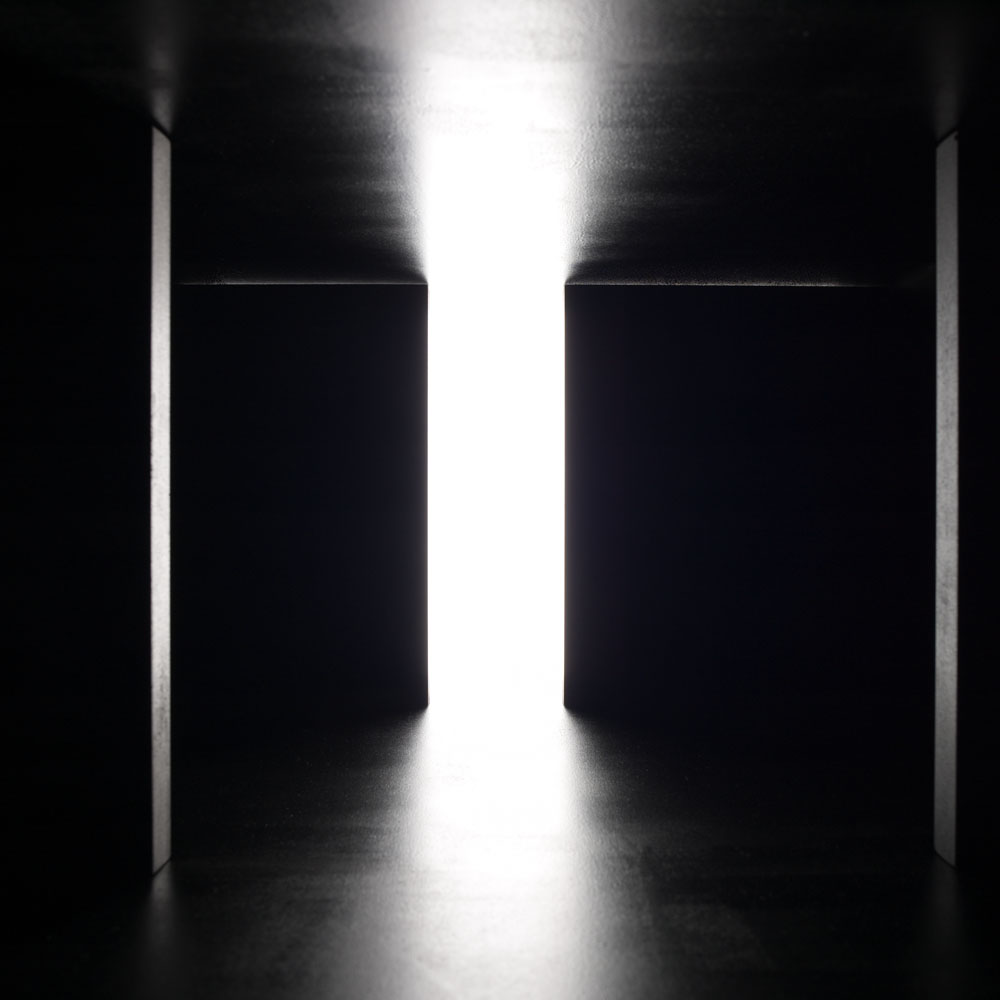
The walls have openings whose width can be varied by moving boxes. The openings in combination with the sliding boxes can vary the amount of light they produce and how far that light can enter the space. For example, a small opening would create a sharp, clearly defined light.
And this light in combination with the overall space will give the impression of a greater depth in the space than if the light opening was wider.
7. Christine Eng
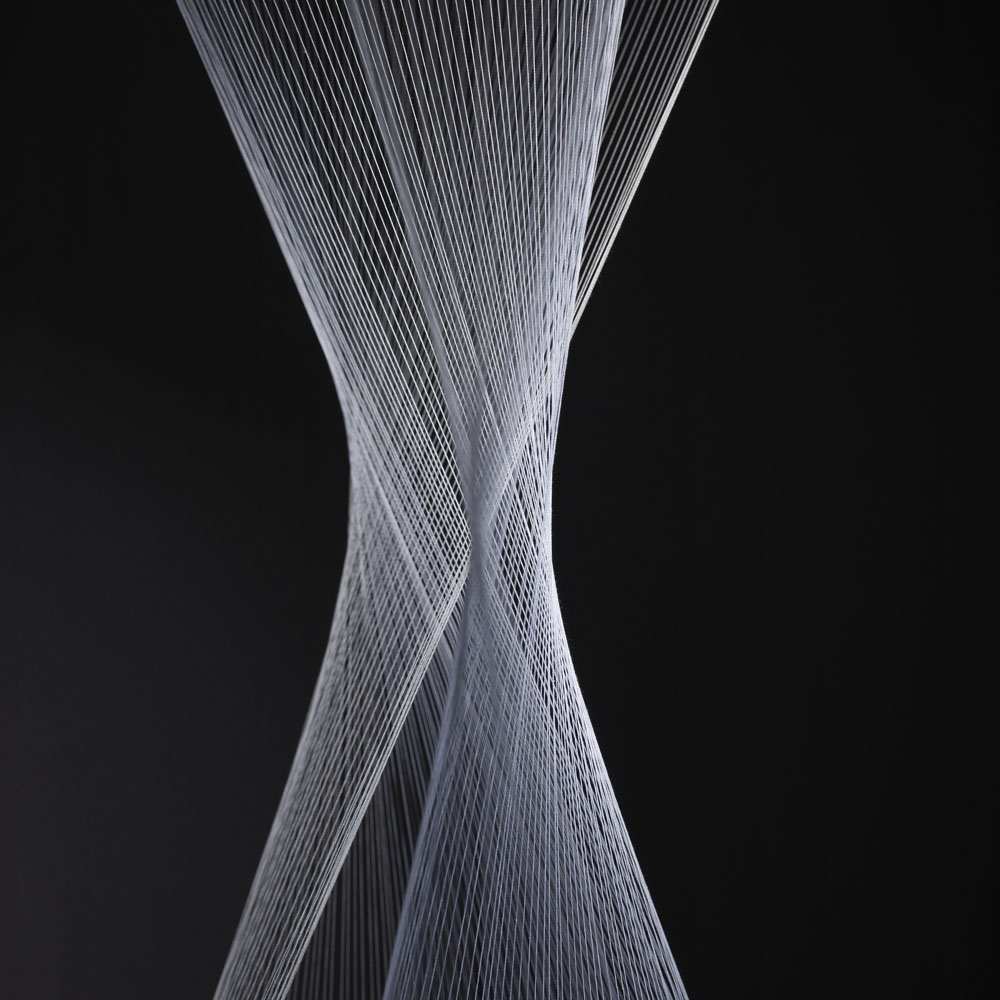
Threads stretched between two plates form two double curved shapes that intertwine. These forms and their crossing points and shadows interact. If there is a direct light source, the threads’ shadows will have clarity but the distinction between what is thread and what is shadow will be diffuse.
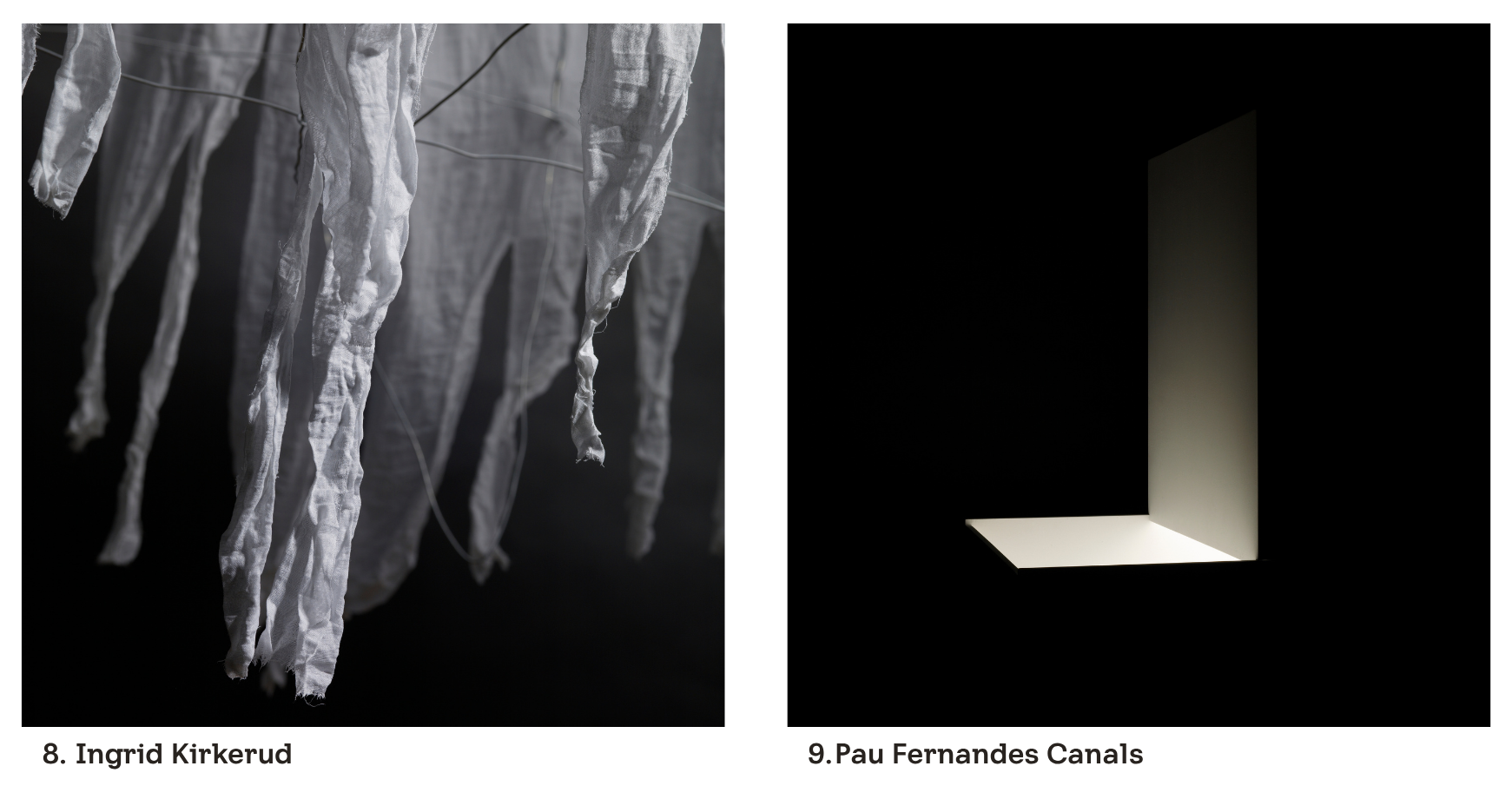
8. Ingrid Kirkerud
Insistent Approach
The light blasts in
The light rays stretch towards you
Stab
Trickle
Fall
Beat, fondle, reveal
Inform and shatter
9. Pau Fernandes Canals
The machine works with the idea of controlling light. One experiments on how the machine can manipulate its own light to generate different effects. Sliding the upper part of the box changes the size of the opening and, as a consequence, the light within the machine.
The machine has the ability to capture different intensities of light. We can see light emanating from the openings. And yet, some light is still withheld, and we know it is still inside the machine.
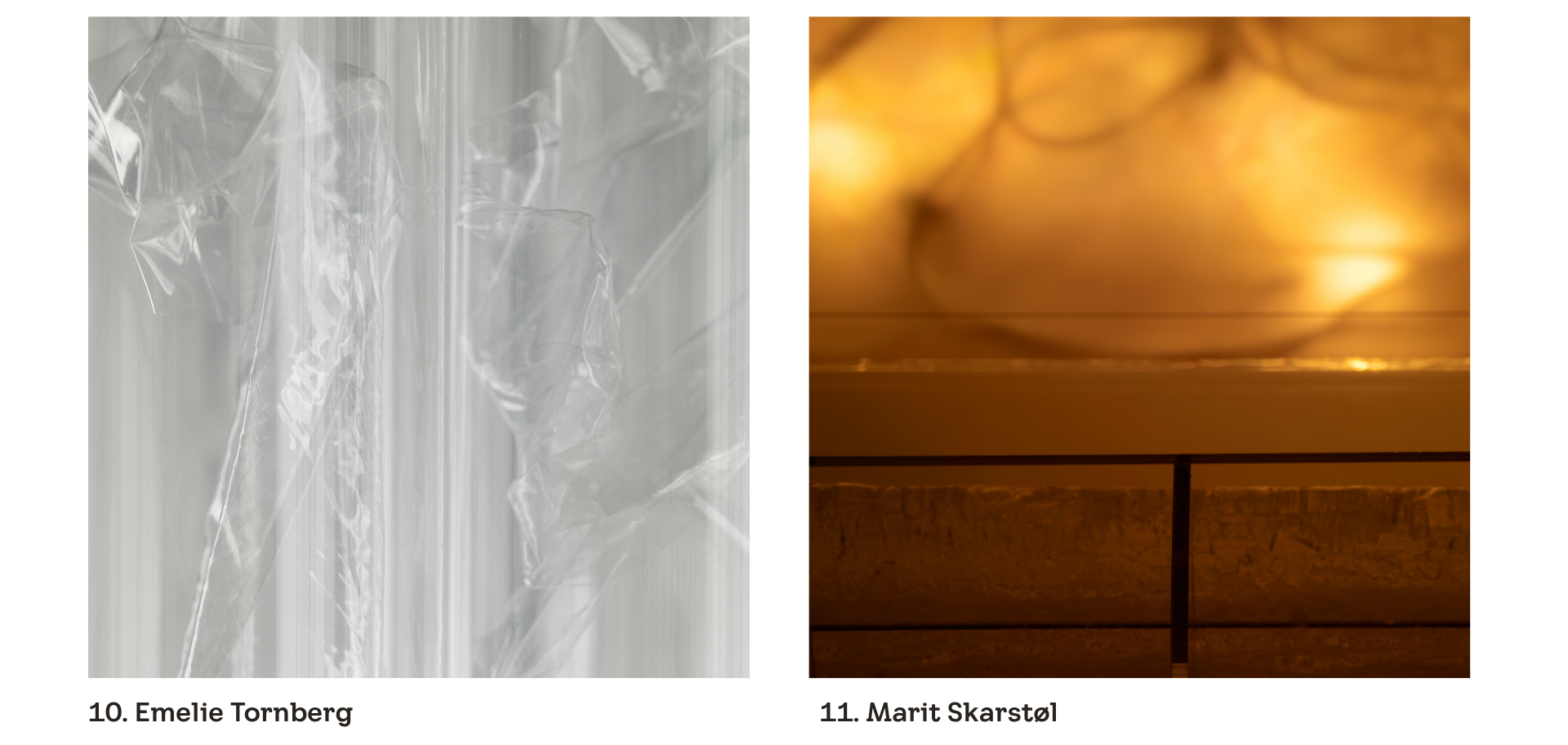
10. Emelie Tornberg
The intention of the light machine is to absorb light, eliminate material and become light.
Light’s capacity for dissolving material and reappearing as a mass is one of the functions of the machine. Material as the receiver will again reflect the light and dismantle the true form of itself.
“I don’t look for light. Light is a part of the material, manifesting itself, through it.” – Eva Hesse
11. Marit Skarstøl
Machine and intention
The machine is shaped like a transparent plexi-glass cradle with a neutral base plate. The cradle’s bottom curves along a spiral. The light source is attached to the cradle and shines an even light into the interior of the machine. Near the light source the cradle is shaped to carry a 15 litre ice block. A fog component is attached at the cradle’s centre of gravity. The machine operates on a base plate that defines its operating area.
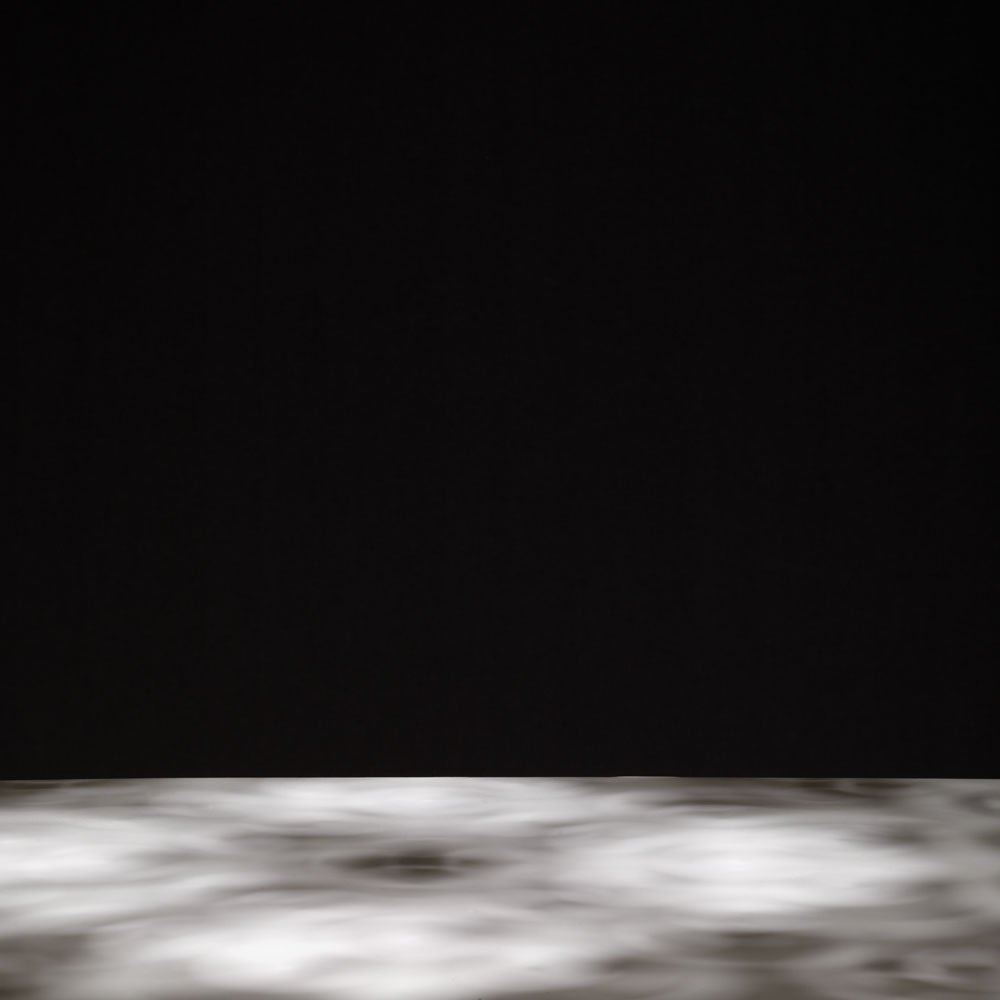
The machine is driven by interaction between time, gravity and temperature. It is dependent on electrical power, but it moves independently. The machine has six different movements that all influence the space. The machine’s form is shaped to create visible changes of position over time. The water from the melting ice rises, and will at all times flow to the cradle’s lowest point. The fog component is activated in contact with water, creating fog, and the fog will spread over the surface of the water.
As the fog uses up water, the gravitational mid-point changes again until the fog-component is deactivated, and the machine stops moving.
The ice spreads the light evenly, but it is somewhat dimmed. The weight of the ice gives maximum volume to the space. The water conducts the light well. The surface of the water refracts the light, and a concentrated light reaches the base. The spatial effect is influenced by a sharp transition from light to shadow. The water forms a wall that reaches out into the space and increasingly compresses the space. As the water raises the illuminated surface becomes larger, but the intensity of the light lessens. The fog component creates movement over and under the water, and emits a flickering light into the space.