A MEXICAN JOURNEY IN LIGHT AND COLOUR
Category
Daylight
Daylight & Architecture
Daylight in buildings
Author
Architect David A. Garcia
Photography
Architect David A. Garcia
Date
13/08/2026
Share
Copy
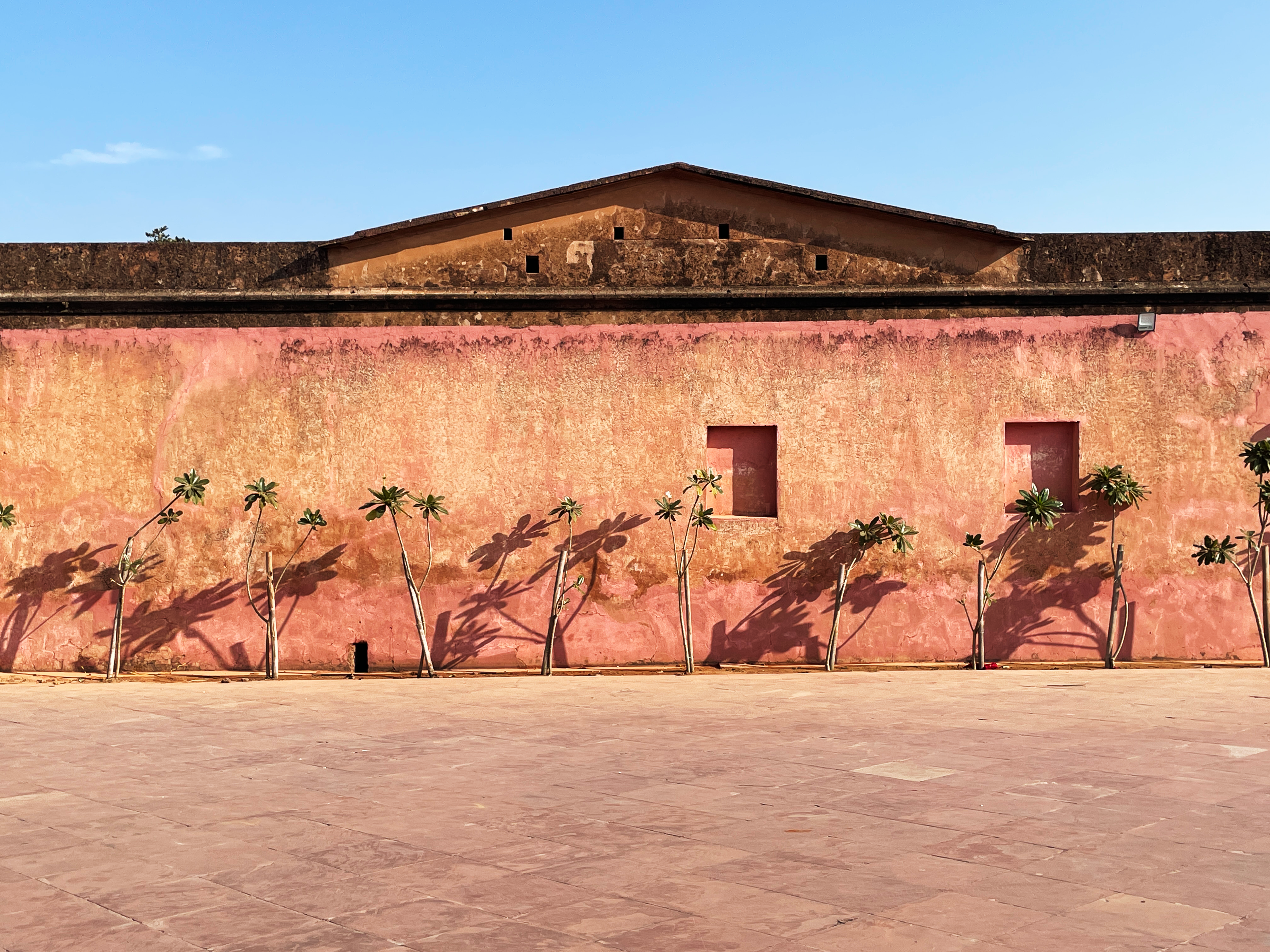
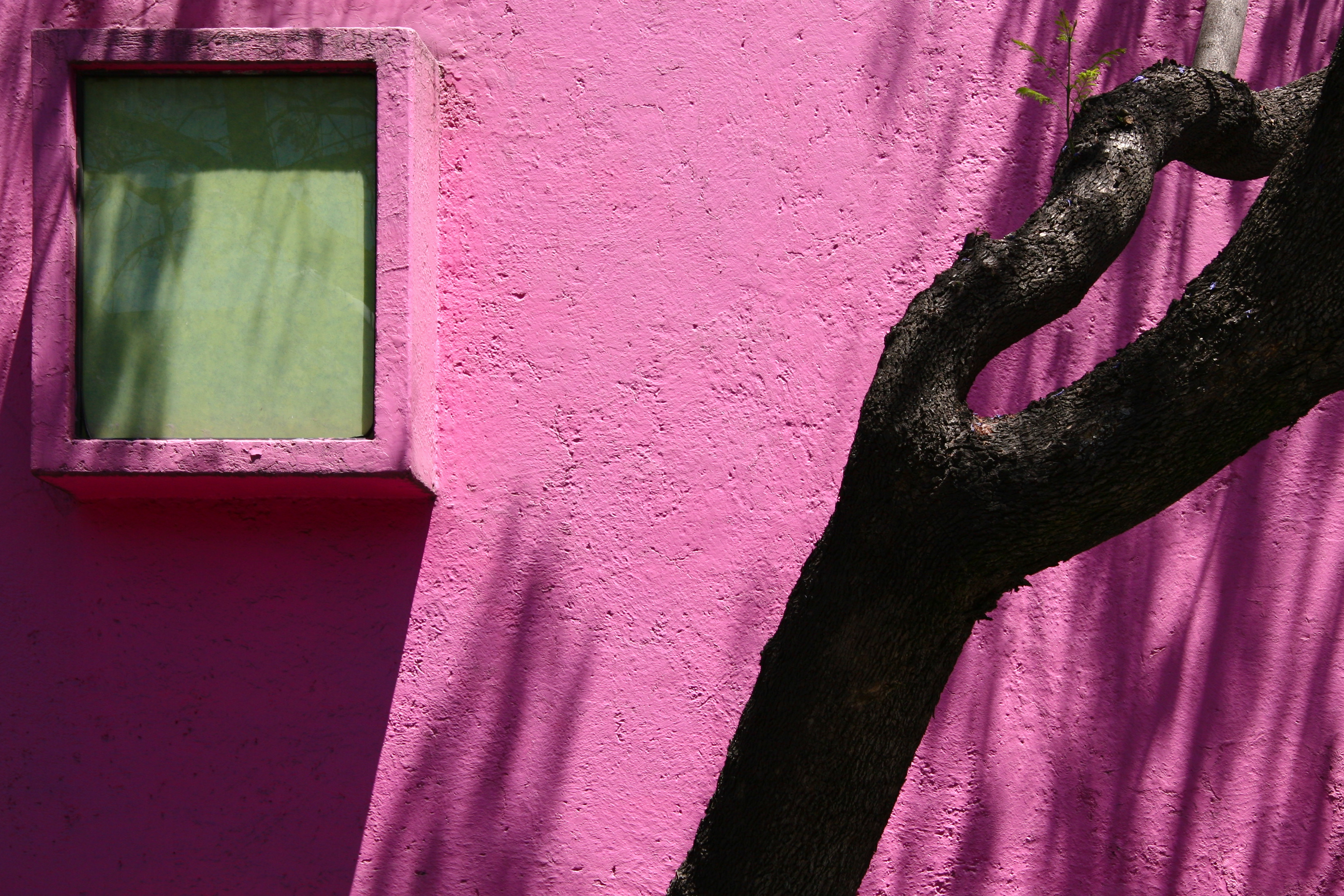
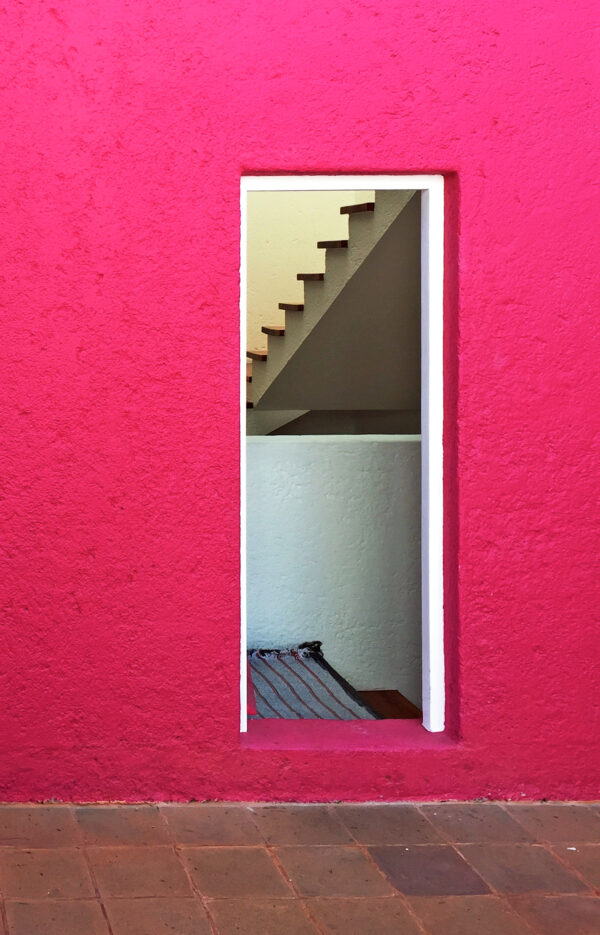
The wall seems to bloom as my hands shade my eyes. Standing in the garden of Luis Barragán’s house and studio in Tacubaya, Mexico City, at the precise hour when the afternoon sun drops behind the neighbouring roofline and sends a clear shaft of light across the tallest of the garden’s painted planes, the magenta wall does not reflect light so much as produce it. It becomes a source of colour. The garden — a sanctuary of light— is flooded in joyous pink and yet feels like the most natural thing in the world.
This is the particular genius of Barragán: he understood that colour in architecture is not a surface condition. It is a temporal one. The pigment is only half the equation. The other half is time.
Mexico is a country that has always known this. Long before Barragán was mixing his volcanic pigments, long before the colonial missionaries were whitewashing their convents in yellow ochre, the Maya were calibrating their temples and plazas with an understanding of light that was simultaneously cosmological and rich in symbol. To visit Uxmal at dawn, to walk the coloured streets of Izamal, or to stand in a courtyard in Mérida and watch colour transform under a minute, is to understand that Mexican architecture’s relationship with colour is not decorative. It is structural. Colour here is load-bearing. It holds space together.
THE HOUSE AND THE PIGMENT
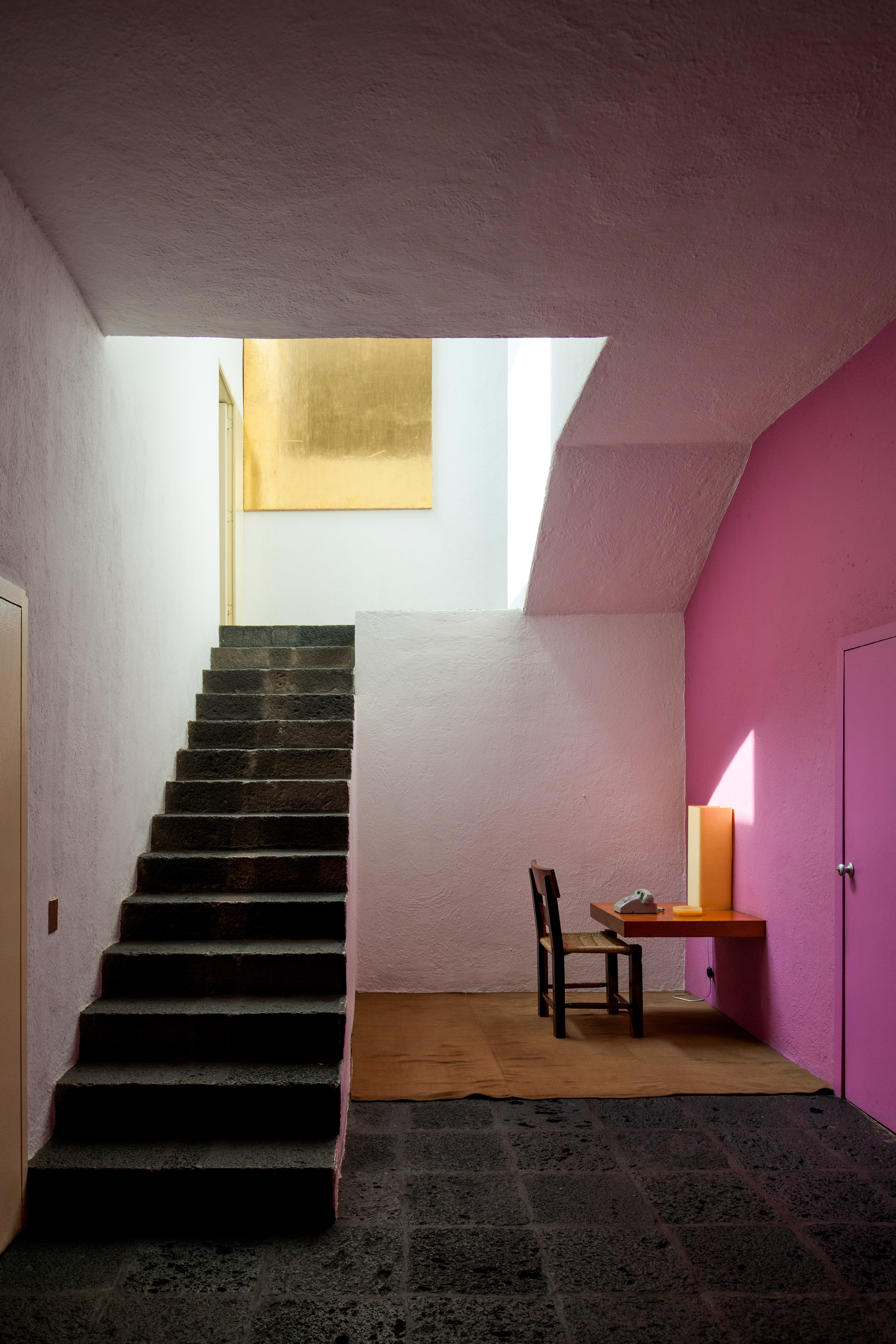
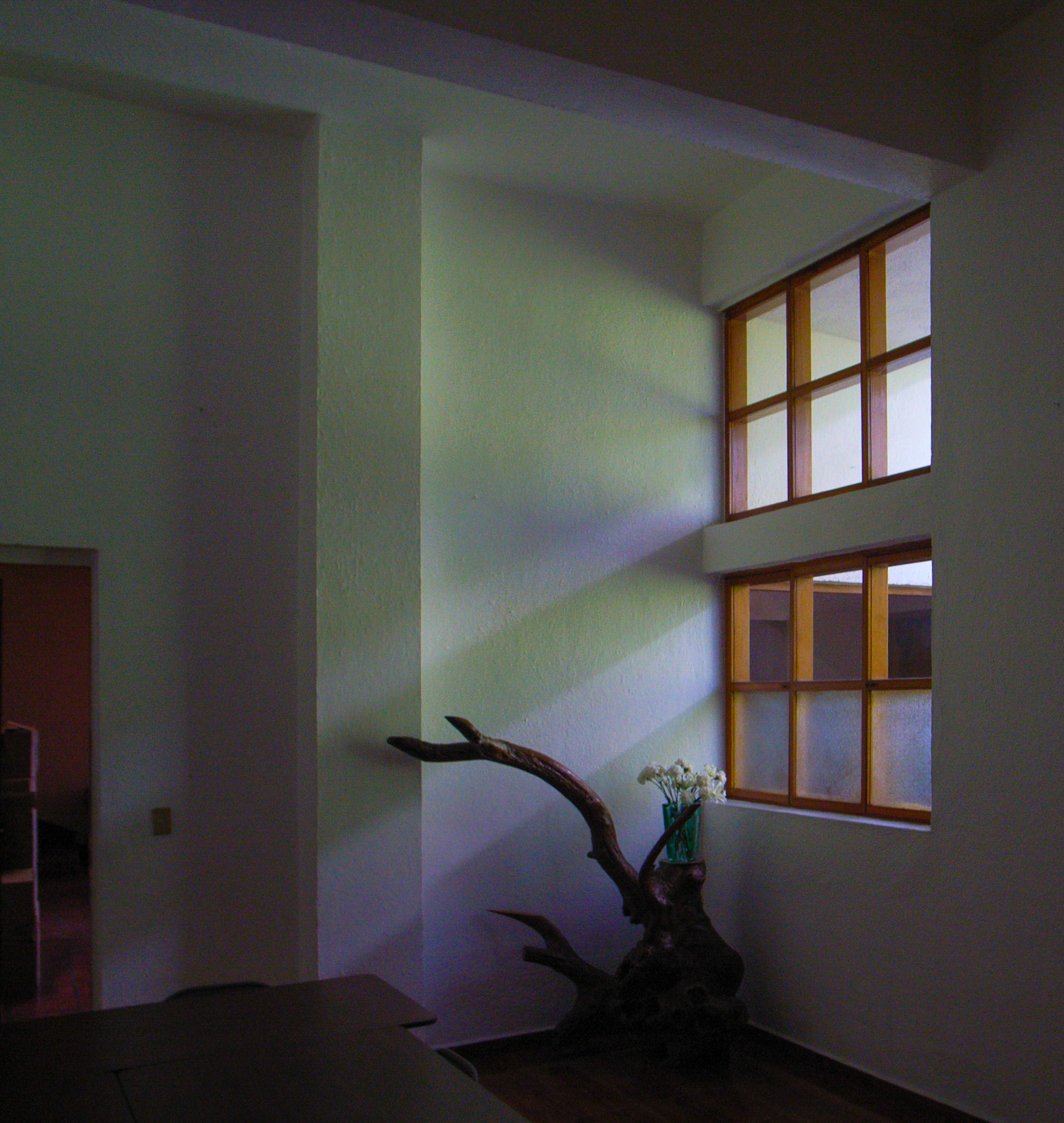
The Barragán house has been a UNESCO World Heritage Site since 2004. It is a modest terraced house in a quiet residential district. The entrance sequence is one of the great architectural compressions. Low ceilings, subdued tones, a studied humility — and then, through the studio, the garden. The transition is brilliantly curated. The light much more so.
What strikes you first is not the colour itself but the way it behaves with time. Mexico City sits at 2,240 metres above sea level, and the light at altitude has a quality that is difficult to describe and impossible to reproduce — it is harder, more precise, less diffused by atmospheric moisture than coastal light, and it arrives with a kind of directional confidence that makes shadows sharp and colours saturate. Barragán knew this. He positioned his walls to catch the afternoon sun at specific angles, to allow the light to graze and amplify the pigment rather than bleach it. The result is a slowed down iridescence. The magenta becomes a frequency, something you feel in the chest before you consciously register it with the eyes.
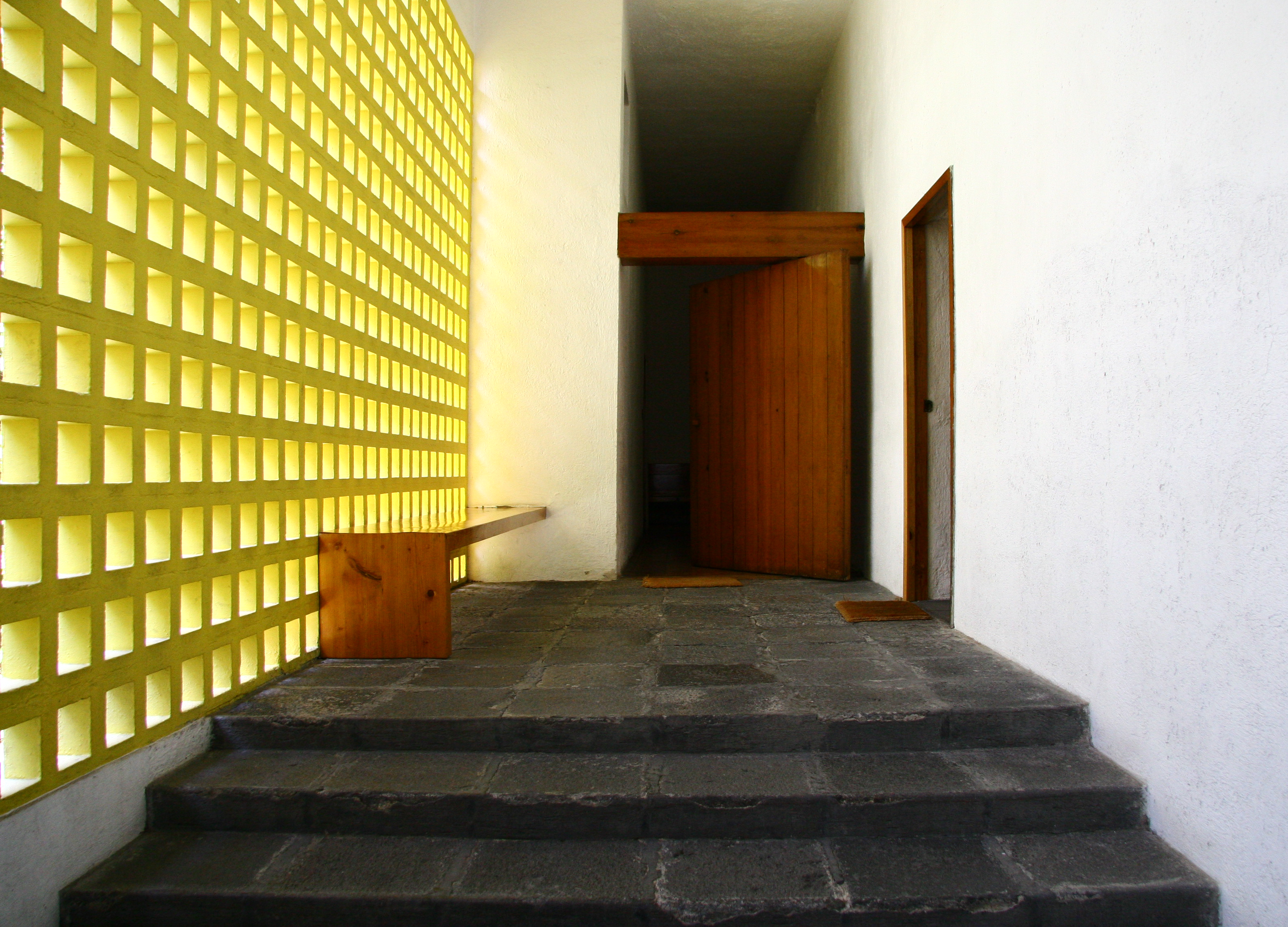
The interior is equally precise. A staircase corridor — not a cautious yellow but a full, unmodulated solar yellow — receives light from a high window and transforms it entirely before delivering it to the adjacent rooms. The light that enters those rooms is no longer white. It has been dyed. Barragán was using architecture as a filter, as a chromatic instrument, in the most literal sense: a device for measuring, modifying, and revealing the behaviour of light. The house is as much laboratory as home, synchronized to chromatically shift with the movement of the sun. With the change of the seasons.
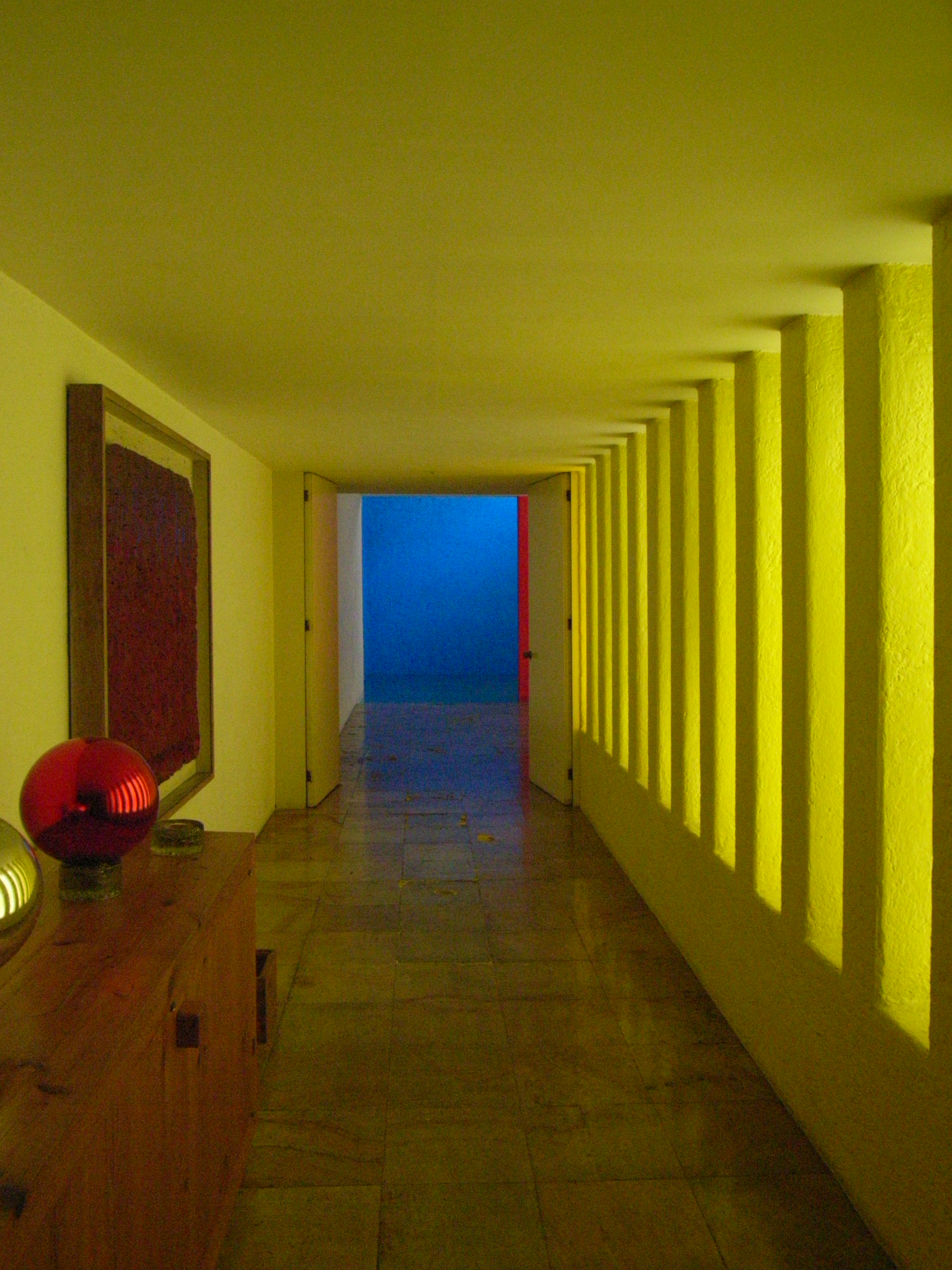
If the Barragan house modulates light from the sky, Casa Gilardi, bends light towards the depths. Completed in 1976 and among the last works Barragán would complete before his death in 1988, is a different proposition. Where the Tacubaya house is introspective and personal — a diary in concrete and pigment — Gilardi is a meditation on the passage between worlds, from air to water. The commission was partly determined by the presence of a large jacaranda tree on the site, and Barragán’s response to it was to route the entire circulation of the house around the tree’s canopy, building a long yellow corridor that approaches the dining room from one side while it meets light from a vertical axis.
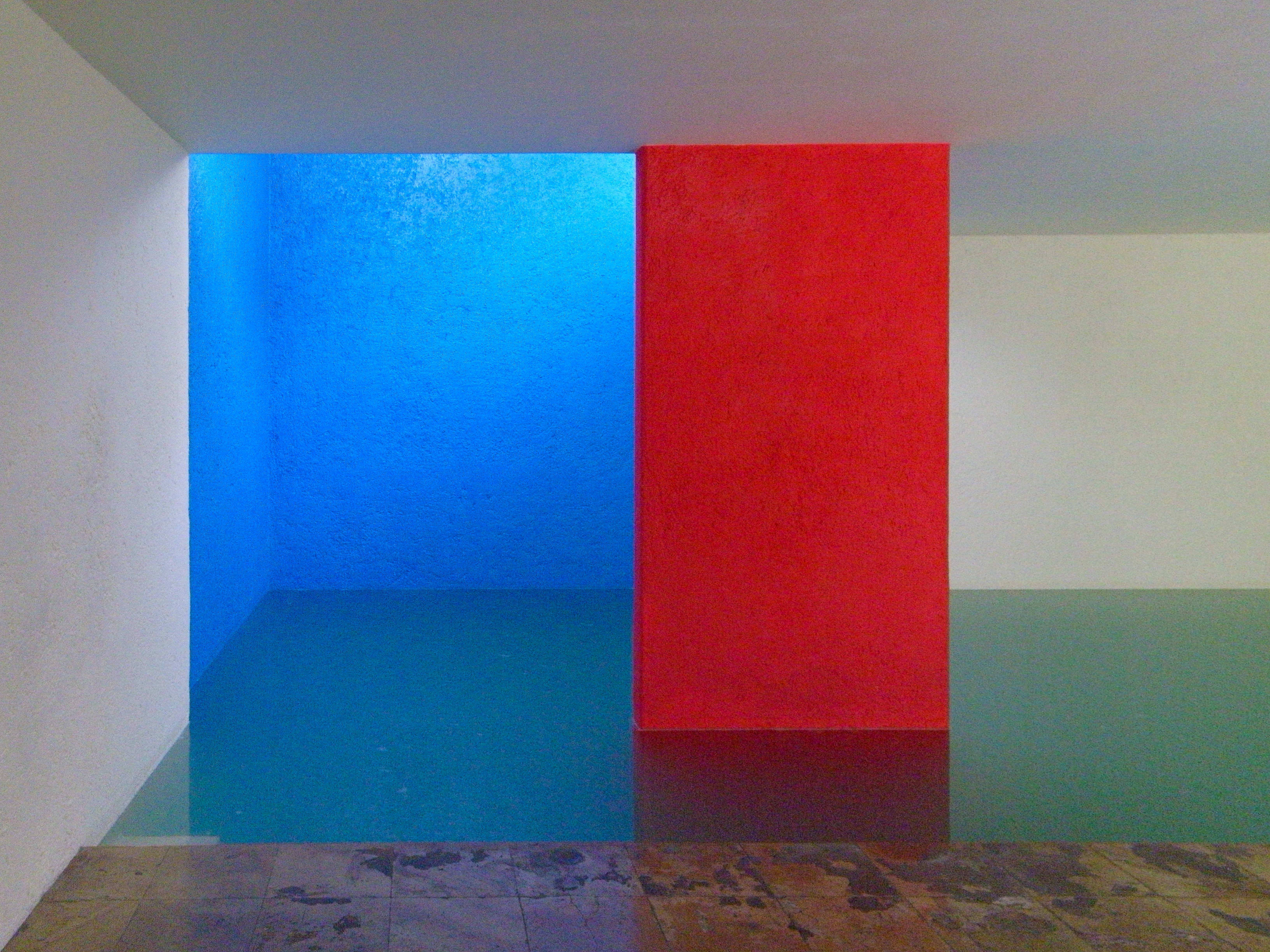
The dining room pool is the climax. A shallow reflecting pool that extends beneath the dining table, fed by a single red wall at one end and a blue wall at the other, with a column standing in the water between them —free-standing, structurally unnecessary, aesthetically indispensable. The room is defined simultaneously by reflection and refraction, a kind of domestic sacred space where the distinction between inside and outside, between inhabitation and ceremony, dissolves water and light. The colours in that room do not merely coexist. They converse. The red radiates warmth, the blue recedes into coolness, all with the quiet shimmer of water, in the balance between mass and liquid, colour and transparency.
I stood there for some time. Quiet. This is what Barragán does: he produces silence through colour and light.
"You are not looking at a wall. You are looking at a decision, loaded with memory."
GOERITZ AND THE FREQUENCY OF GEOMETRY
A ten-minute walk from the Gilardi house, through the leafy grid of the Colonia Guadalupe Inn, stands the El Eco museum — originally conceived by Mathias Goeritz as a short-lived experimental museum in 1953, later restored and reopened as a functioning exhibition space, and now understood as one of the founding documents of what Goeritz called “emotional architecture.” The building is difficult to classify and easy to misread. It looks, from the entrance, like a series of high concrete walls arranged in sequence, a labyrinth of planes without apparent programme.
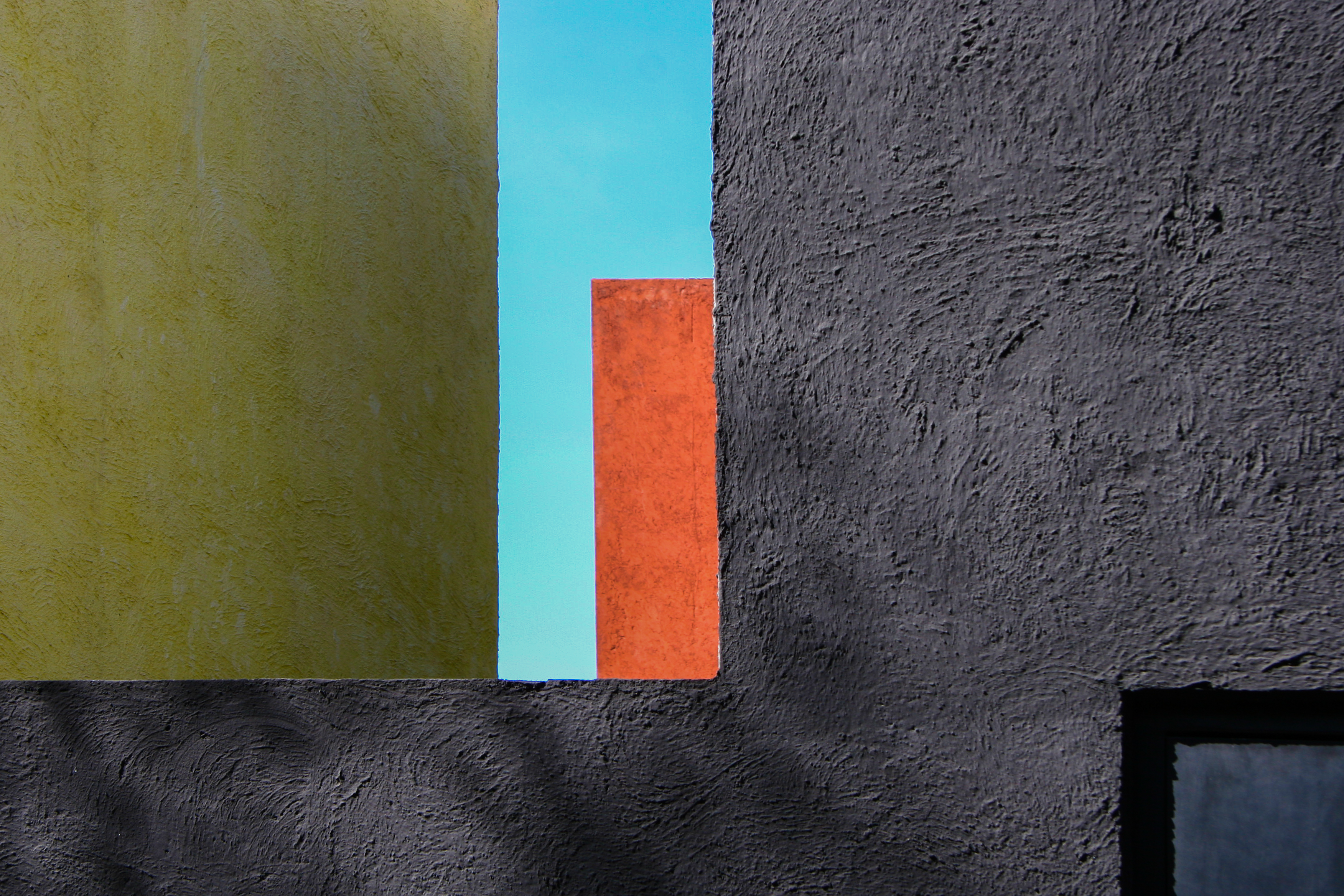
Goeritz’s thesis was partly spiritual, partly phenomenological, and partly an explicit rebuke to functionalism: architecture, he argued, should aspire to the condition of music, should produce an emotional resonance in the body that precedes rational analysis. The El Eco spaces — tall, compressed, suddenly expansive, then tall again — achieve this through the manipulation of proportion, light, and colour. The ochre yellow of the main courtyard wall glows in the Mexican afternoon like something between a Rothko and a ruin. It is not trying to be beautiful; it is just felt.
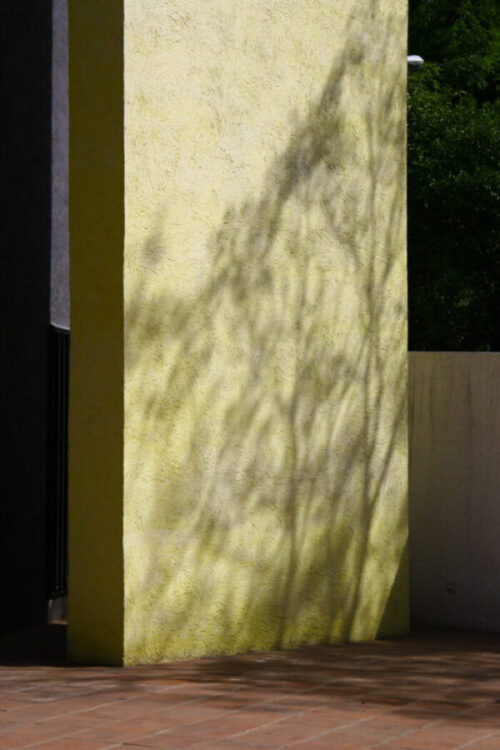
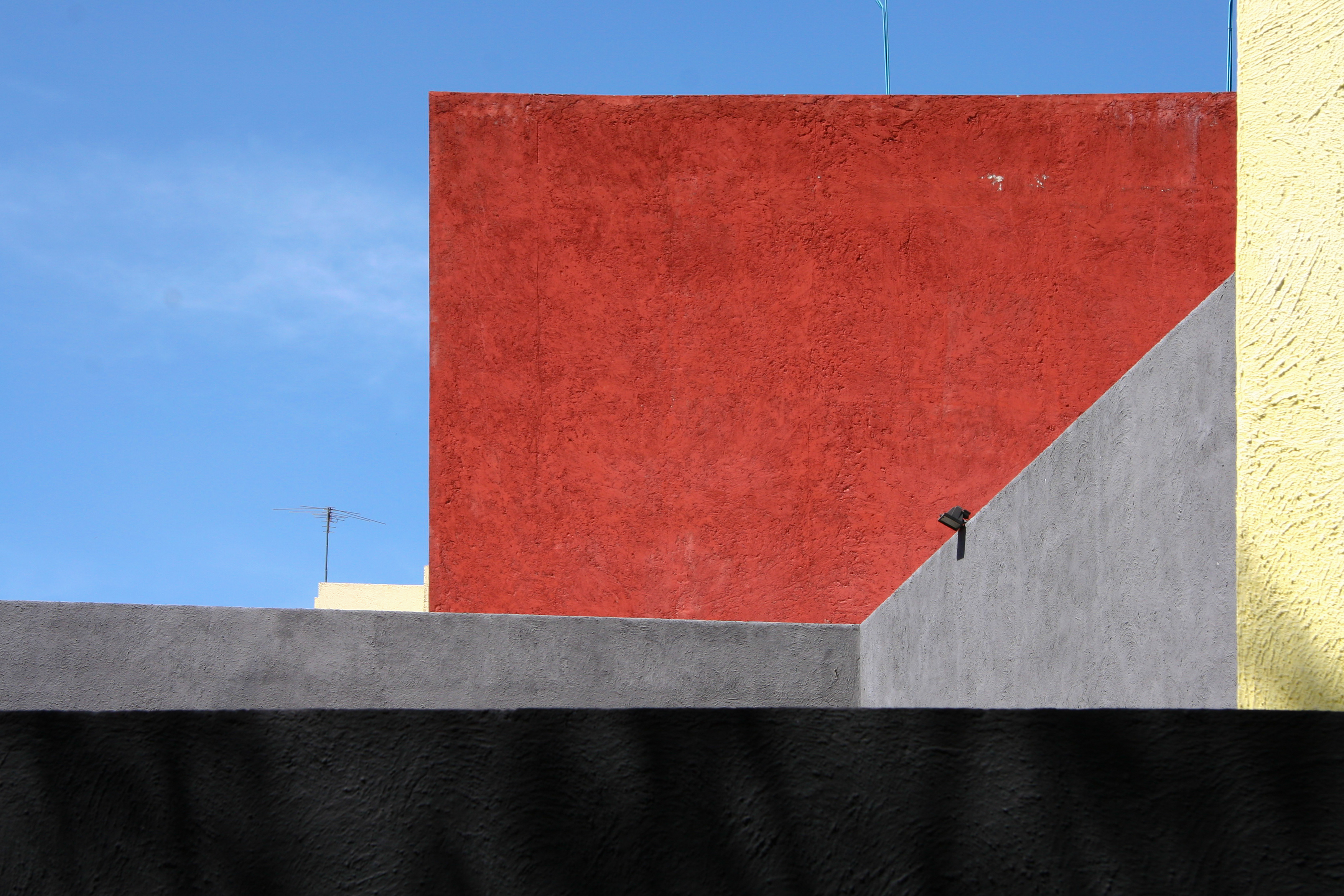
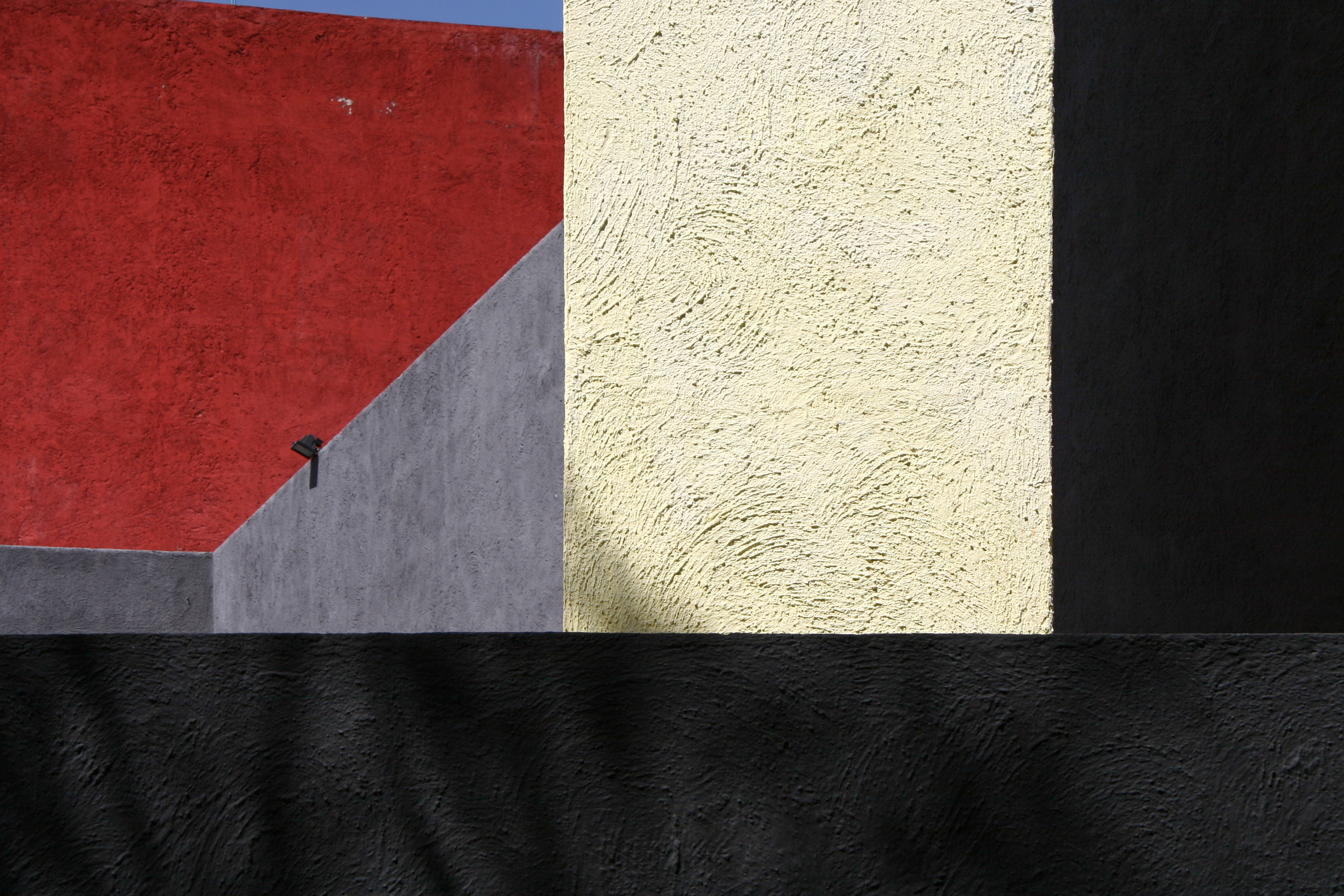
Goeritz and Barragán were collaborators, most famously on the Torres de Satélite (1957), those five polychrome concrete towers that stand on the Mexico City ring road, useless in every functional sense and absolutely necessary in every other. What Goeritz brought to their collaboration — and to the El Eco — was a deeper mysticism, an almost religious conviction that form and colour had the power to alter consciousness. What Barragán brought was the restraint, the horticultural intelligence, the understanding that spiritual architecture also needs a chair and a table.
A KALIDOSCOPE OF BOOKS
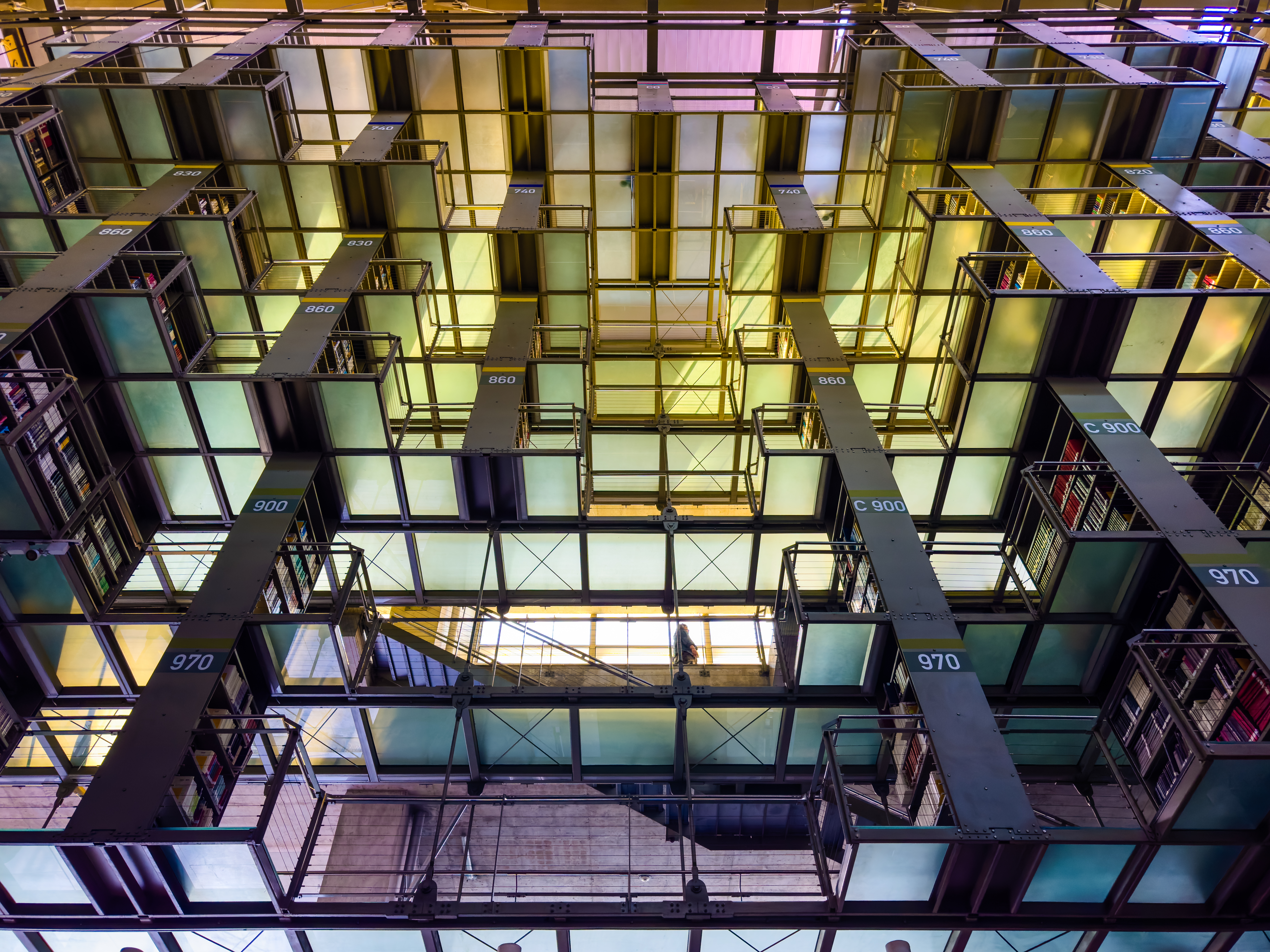
Forward in time and space, light is still the driving factor for Alberto Kalach’s Biblioteca José Vasconcelos opened in 2006 and remains one of the most discussed public buildings constructed in Mexico in the last three decades. The library is a steel and concrete megastructure monumental on the outside and extraordinarily delicate inside, designed to glow in a peculiar quality of natural light in constant transformation with the hours of the day.
The colour palette is the opposite of Barragán’s. Where Barragán saturates and concentrates, Kalach bleaches and diffuses. The interior is predominantly neutral, the concrete pale, the steel grey, and the gardens — hanging at intervals from the mezzanine levels — introduce green in controlled bursts, like punctuation. The effect is that all the chromatic work is done by the light itself. The skylights and clerestory windows function as instruments: the light enters from specific directions, at specific hours, and transforms the interior into a play of mirrors. At noon, the atrium is almost clinical in its brightness. An hour later, with the sun at a lower angle, the same space is gold, amber and green, the shadows long and soft, the glass floors suddenly luminous from below. The building has a diurnal rhythm.
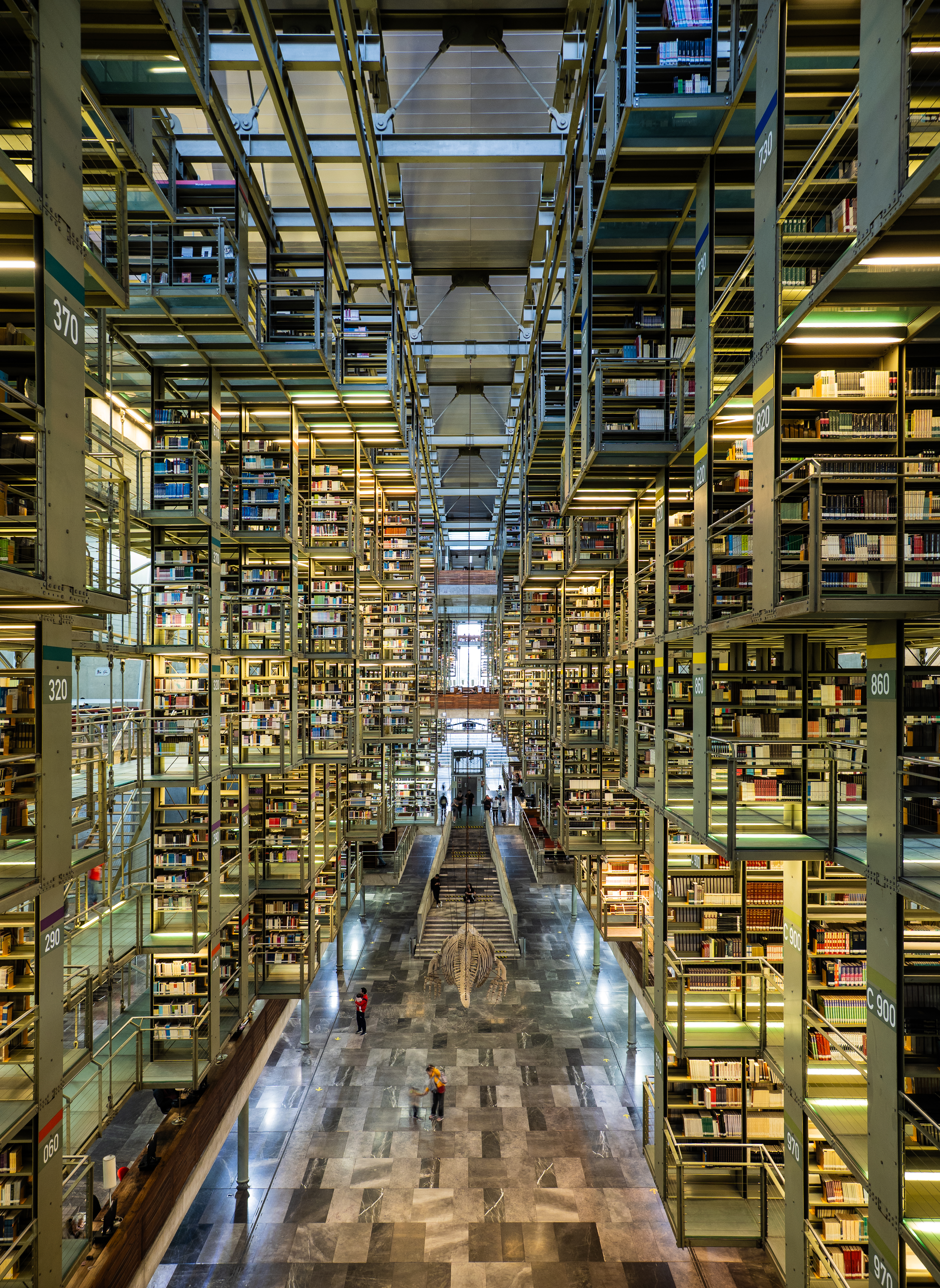
What Kalach understood — and what connects his library, despite its radical formal differences, to Barragán’s houses — is that Mexican light is not background. It is material. It has a weight, direction, temperature and colour of its own, and architecture that ignores these properties in favour of a homogenous, artificially lit uniformity wastes the most extraordinary resource available on this particular latitude. The Vasconcelos library is an argument against waste. It is also, incidentally, a library with roughly half a million books, each spine, playing with light and composing an endless spectrum.
THE YELLOW CITY
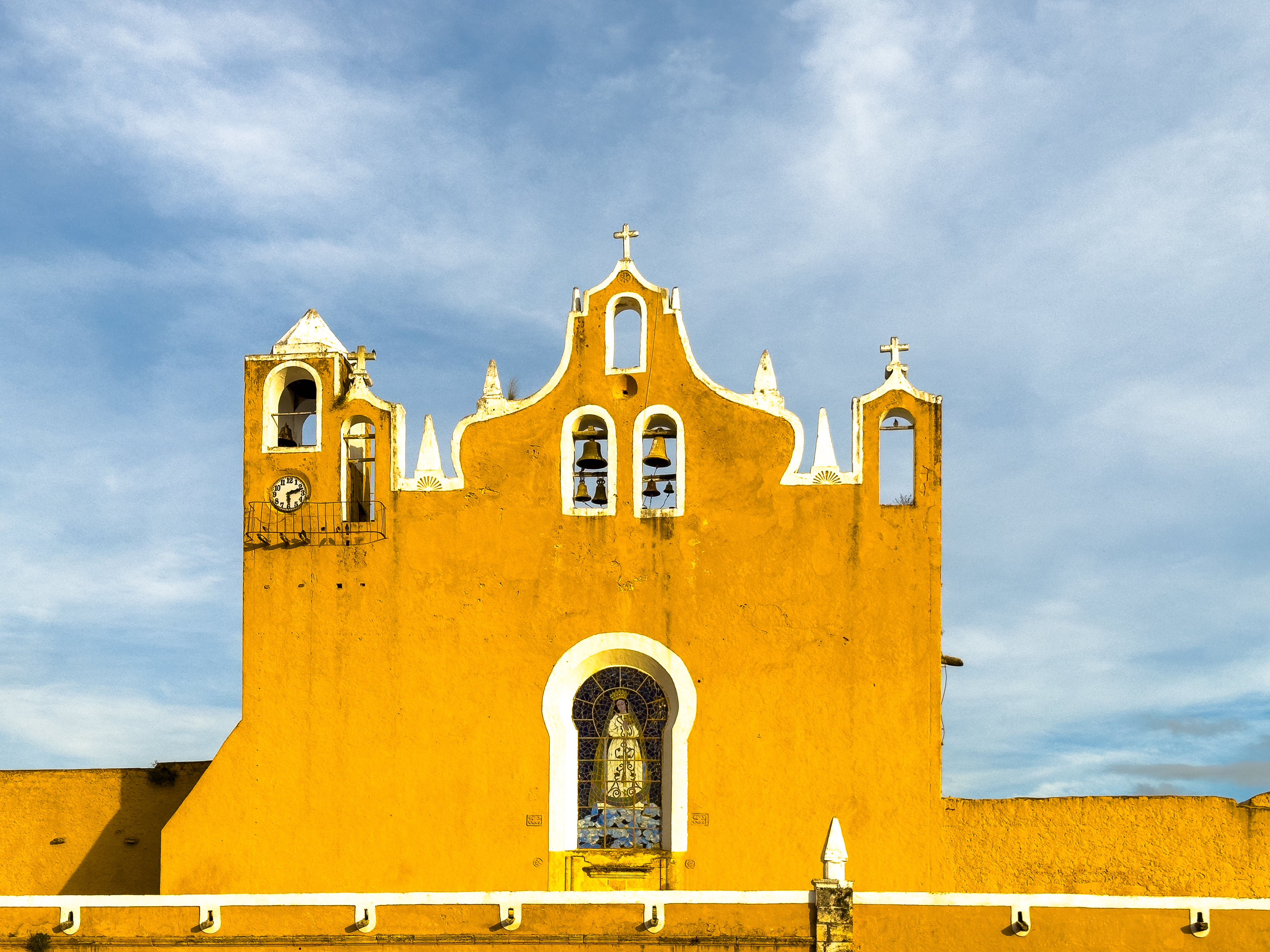
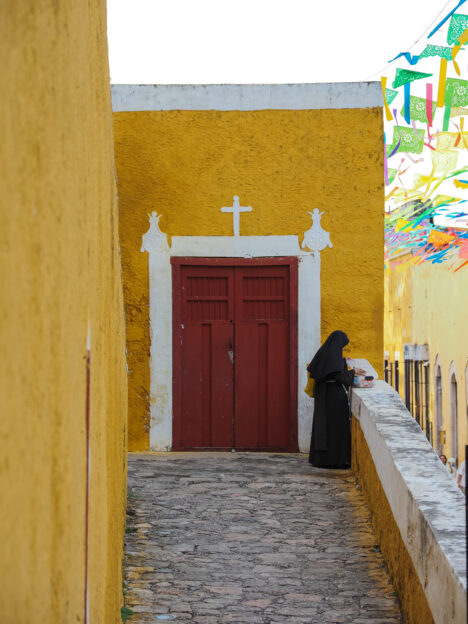
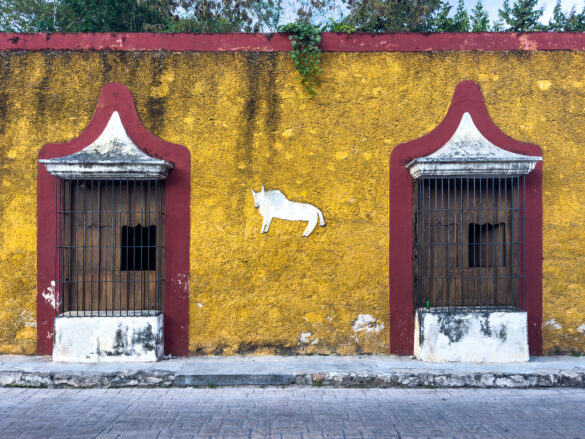
Far from the capital and at the heart of the Yucatan Peninsula, Izamal is a small colonial city two hours east of Mérida, and it has been painted entirely yellow since the visit of Pope John Paul II in 1993 — or so the popular account has it, though the truth is more complicated, the yellow being substantially older and intermittently applied across several centuries. Whatever the origin myth, the result is an extraordinary urban colour experience: an entire colonial grid in a single hue, varying only in tone and saturation from building to building, street to street, and hour to hour.
The Convento de San Antonio de Padua sits on a raised platform — an atrium platform, a colonial imposition built directly atop a Maya pyramid — and it glows. The scale startling: the open atrium, ringed by its arcaded perimeter, is vast enough to feel like a city square, which it essentially is. The yellow here is not a cheerful yellow. It is dense, almost mineral, close in hue to the local limestone from which it was first derived, and it absorbs the Yucatecan sun with intention. In the late afternoon, the buttresses and arcade columns cast shadows so deep and precise that the yellow oscillates between brilliance and near-black within the span of a single façade.
What strikes you — what should strike you, with every street, courtyard and church façade — is the Mayan heritage which constant invasions have tried to erase. It is not merely under the foundations, but in the logic of the whole. The Yucatán pyramid-temples that Izamal’s convento sits upon were themselves painted: red, blue, and green, according to the astronomical and cosmological functions of each structure. The colonial missionaries who built over them appropriated a culture that treated the built environment as a chromatic text, in which colour had cosmological meaning
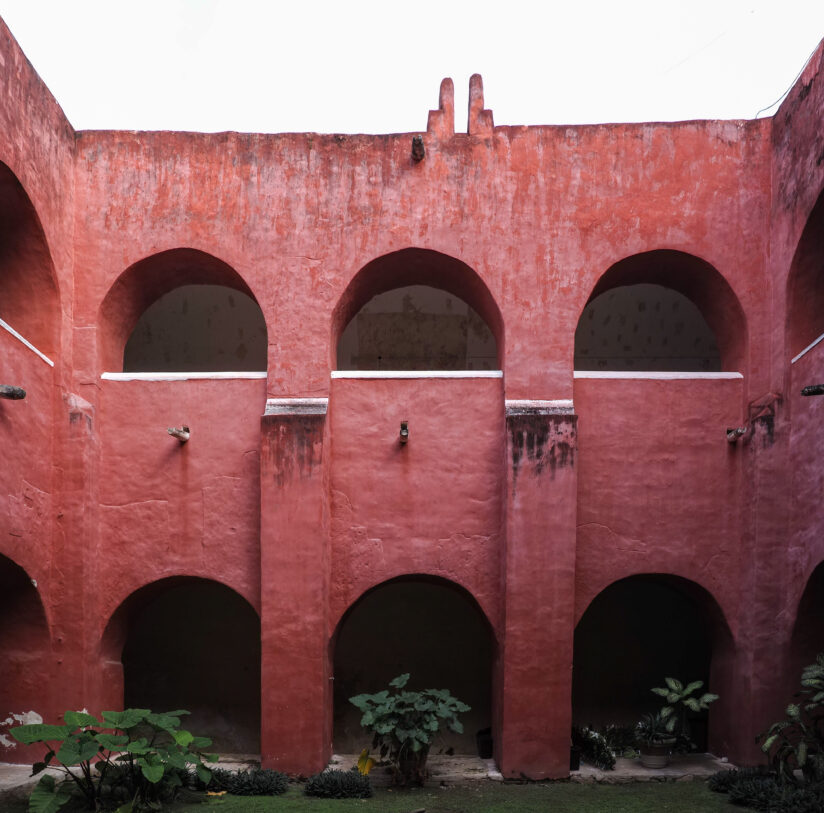
Further west in the city of Merida, I found myself in the interior courtyard of Rosas y Chocolate, a boutique hotel on the Paseo de Montejo in Mérida designed by the architects Reyes Ríos + Larraín, an architecture duo exploring material knowledge of ancient Mayan building practices while absorbing the nuances of local light and climate. The project is a sensitive and inventive conversion of a nineteenth-century Porfiriato mansion, layered with contemporary interventions that manage the rare trick of feeling both respectful and self-confident — a combination that, in restoration architecture, is considerably harder to achieve than it sounds. The courtyard is the heart of the scheme: a double-height open space with the original arcade on three sides and a small garden pool at its centre, the whole thing planted with palms and ferns that give it the quality of a domesticated jungle. The walls are pink and light ochre. Not Barragán pink — not the volcanic, near-fluorescent magenta of Tacubaya — but a softer, more complicated pink, one that carries hints of terracotta and rose and, in certain lights, almost tips into peach.
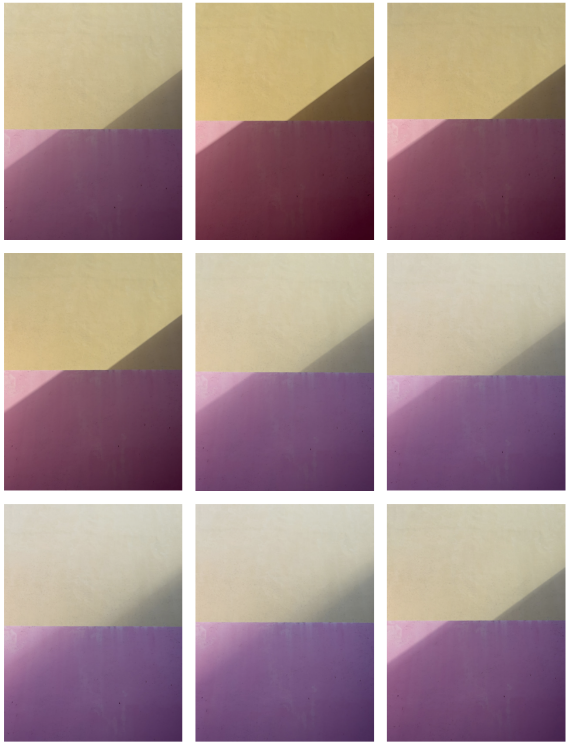
I sat down in the afternoon with an intention to have a coffee. What I actually did was watch a wall change colour. Without pause. Over the course of what I subsequently timed as fifty-three seconds, as the sun and subtle clouds of the afternoon flew by, the wall facing me shifted as if constantly out of chromatic focus.
It was not a subtle shift. If someone had repainted the wall while I looked away for a minute, I would not have doubted it.
The effect is achieved by the particular formulation of the pigment — traditional lime-based paints, used throughout the Yucatán, are far more chromatically responsive than modern acrylic equivalents, their slightly textured, matte surfaces scattering light in ways that make them hypersensitive to angular changes in the incoming light source. But the architects had understood and amplified this. The courtyard’s proportions — the height of the arcade relative to the open sky above, the orientation of the long axis relative to the afternoon sun’s trajectory — were calibrated, whether by calculation or by the accumulated wisdom of a regional architectural tradition, to maximise precisely this kind of temporal colour shift. The building was not just responding to the light. It was performing with it.
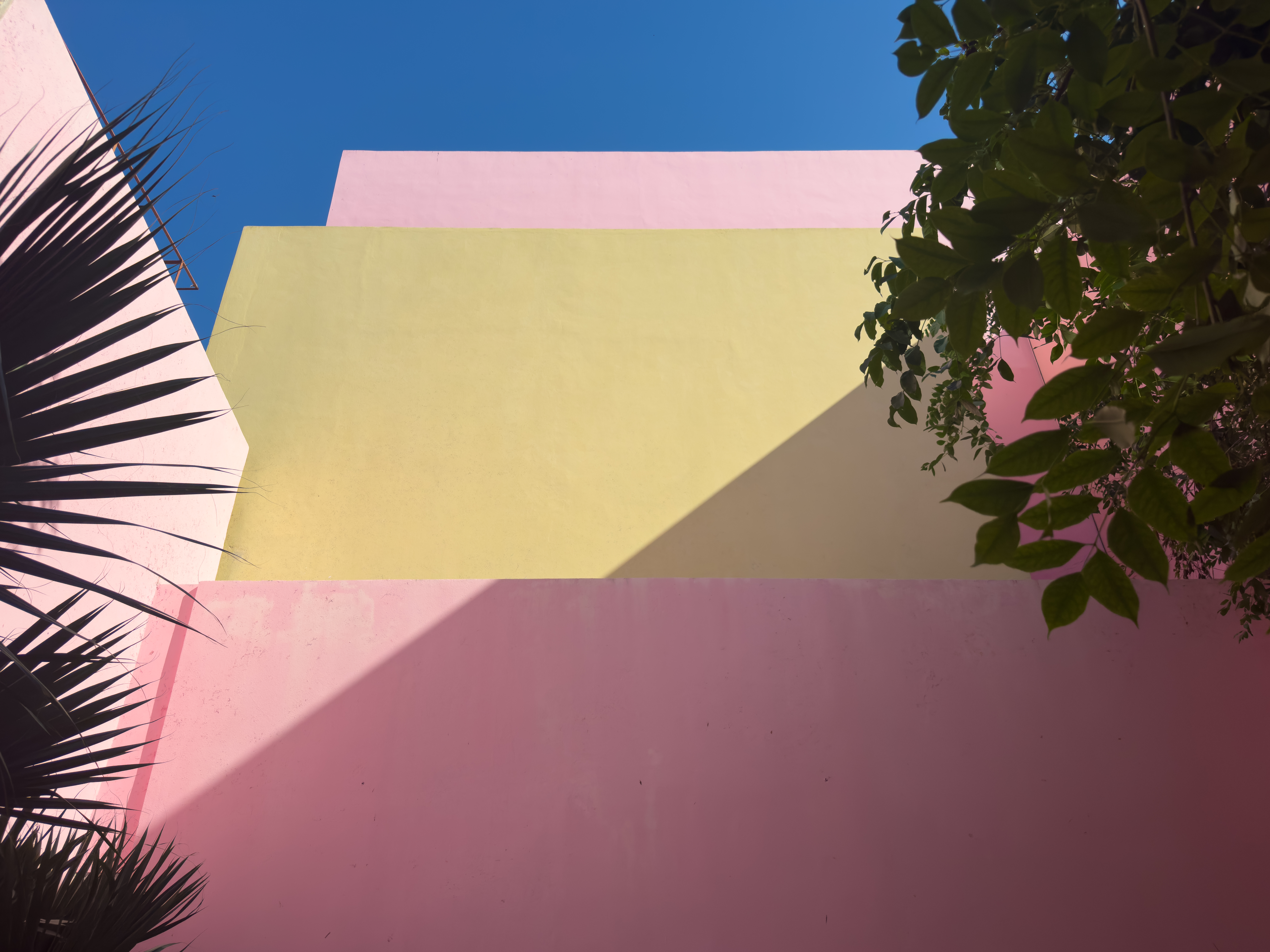
Walking through Mérida that evening, past the painted facades of the centro histórico — pale greens and yellows and pinks and blues, each building slightly different, the whole street a chord rather than a note — I found myself thinking that Mexico has never treated colour as decoration. In every building I had visited, from Barragán’s laboratory-garden to Goeritz’s resonant concrete to Kalach’s bleached cathedral to the yellow fortress of Izamal to the pink courtyard that changed before my eyes, colour had been structural, not load-bearing in the engineering sense, but integral to the proposition of the building and inseparable from the architectural design.
This is, at its deepest level, a Mesoamerican inheritance, whose architectural and spatial precision still shadows the region, understood that the cosmos was fundamentally chromatic — that the cardinal directions had colours, that the layers of the sky were differentiated by hue, that the relationship between the human and the world was in part a relationship between the perceiving eye and the light that the built environment could concentrate, direct, and transform. You do not need to believe in that cosmology to feel its consequences. They are in the walls.