From Everyday Ritual to Responsive Façade
Category
Daylight & Architecture
Daylight in buildings
Research and Innovation
Author
Melissa Gibson
Photography
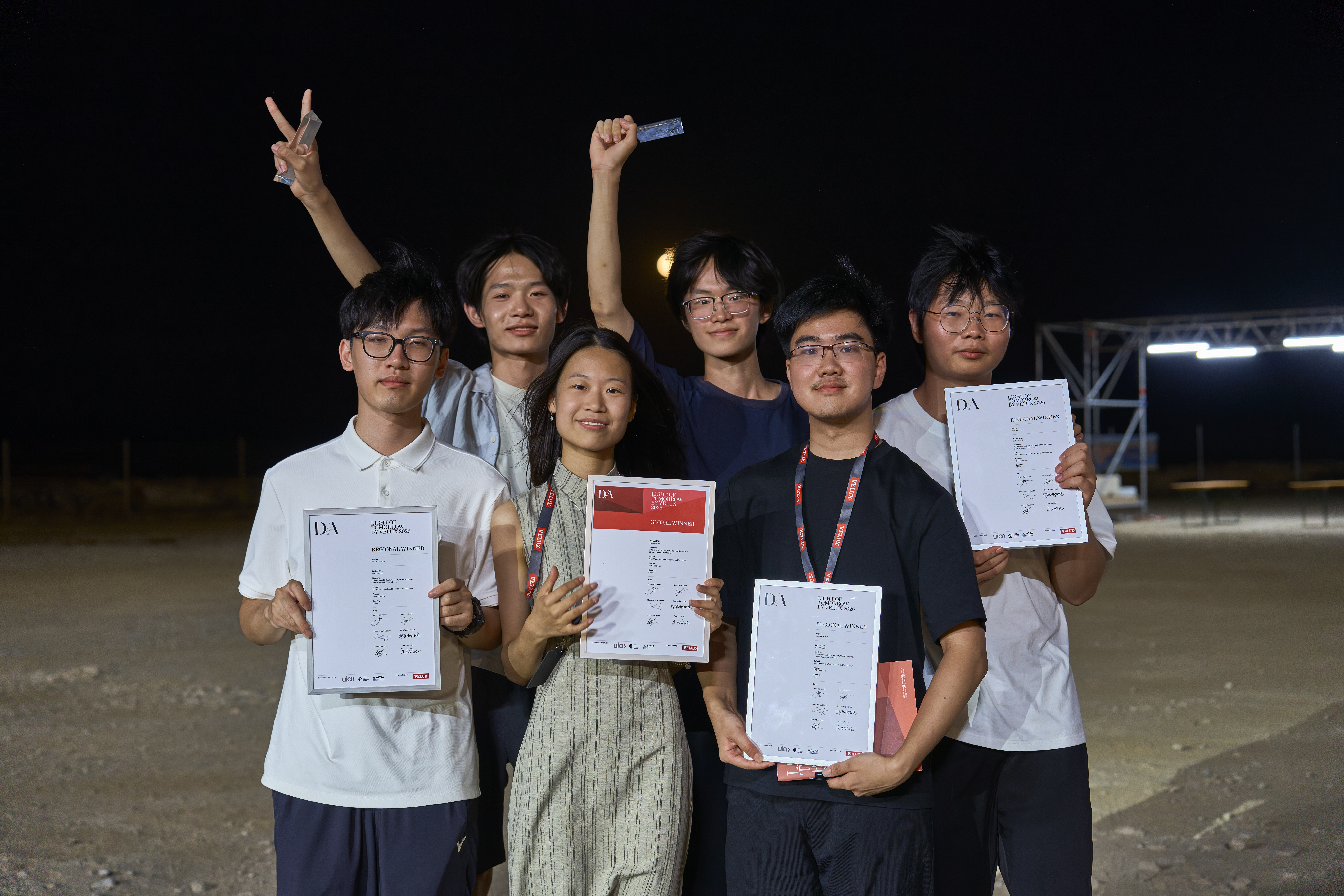
Xu Qicheng, Luo Jun, Gao Rui, Ruan Guoqiang, Zhang Xuanyi, Cai Kunhong
Date
07.09.2026
Share
Copy
An interview with the Light of Tomorrow by VELUX 2026 Global Winner
How can daylight tackle global challenges? This question lies at the heart of Light of Tomorrow by VELUX, a global competition that encourages architecture students to explore the future potential of daylight in the built environment. In its 12th edition, the competition received hundreds of responses from around the world, culminating in eight finalist projects presented at the UIA World Congress of Architects in Barcelona to an international jury.
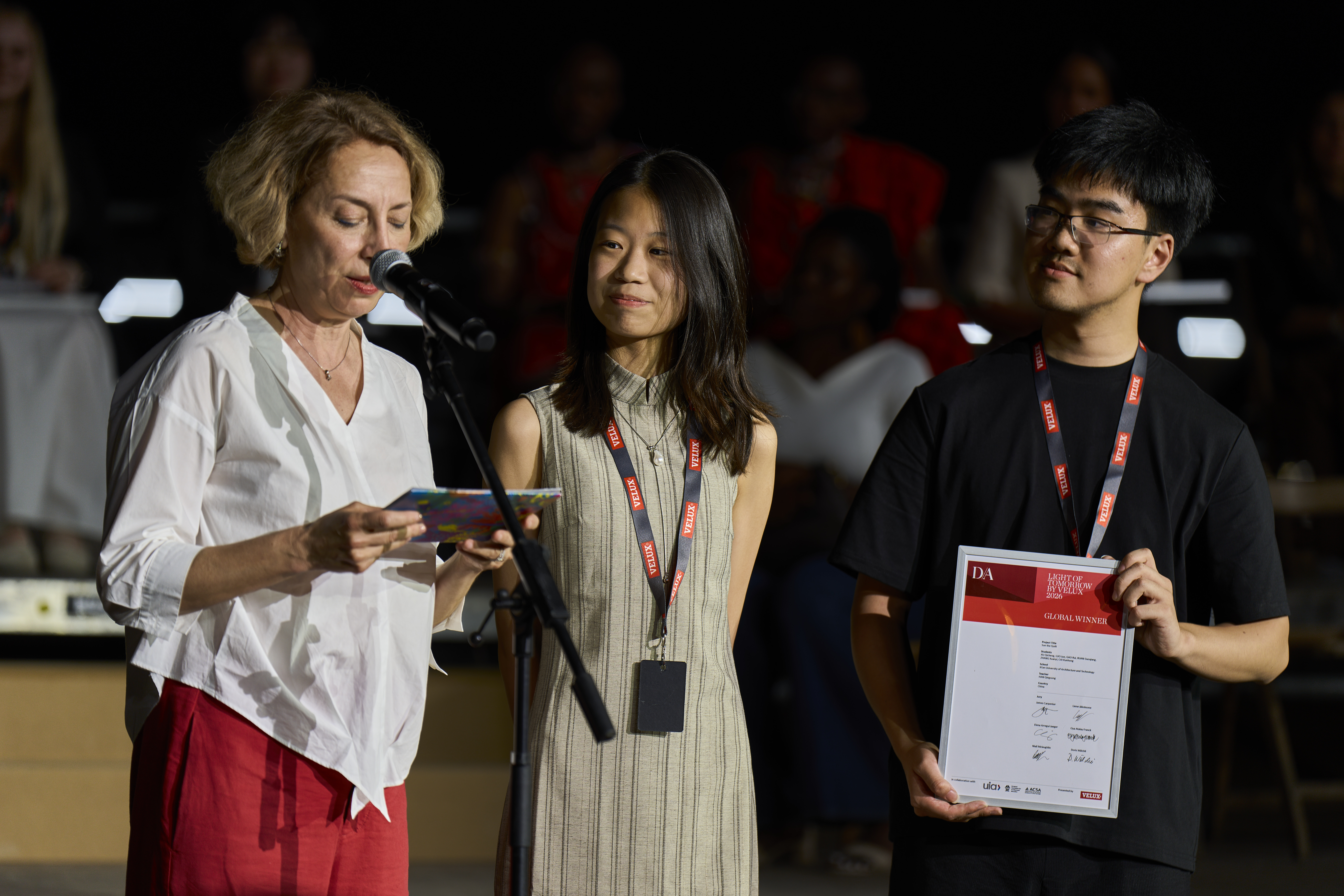
The 2026 global winner, “Sun the Quilt”, developed by students from Xi’an University of Architecture and Technology in China, was chosen for its strong concept, design thinking, and innovative use of daylight that transforms an everyday domestic ritual into an innovative façade system shaped by daylight, climate, and care.
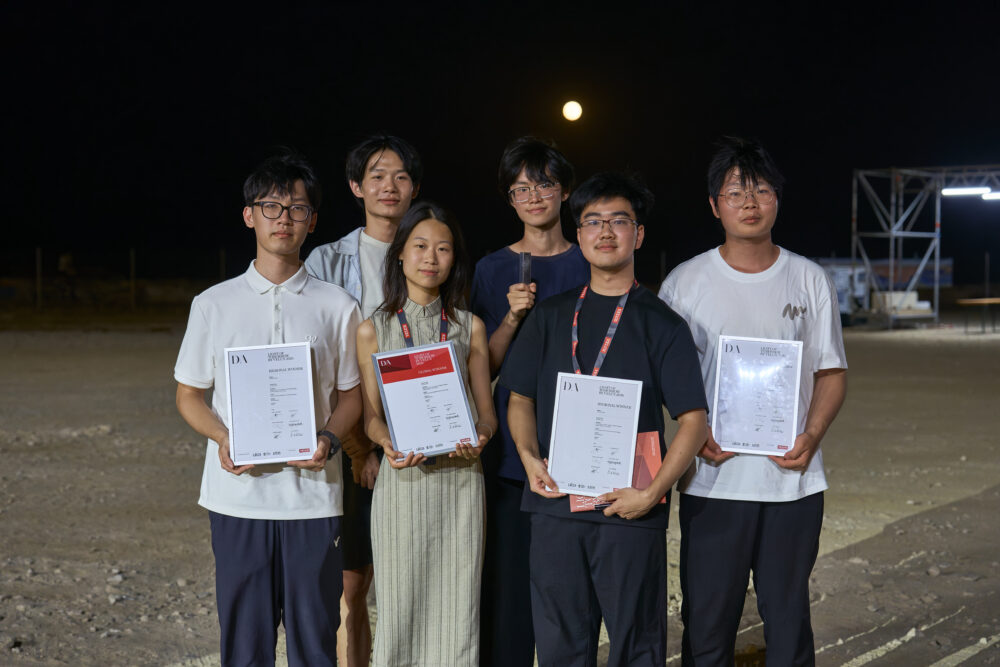
The jury praised the project for its poetic simplicity and strong connection to daily life, describing the project as being “climatically responsive and socially grounded”. Jury member Níall McLaughlin (IE) commented: “The architects have gone through a problem, got to the bottom of that problem, worked it through, and then made it into something that can live and thrive in the world.”
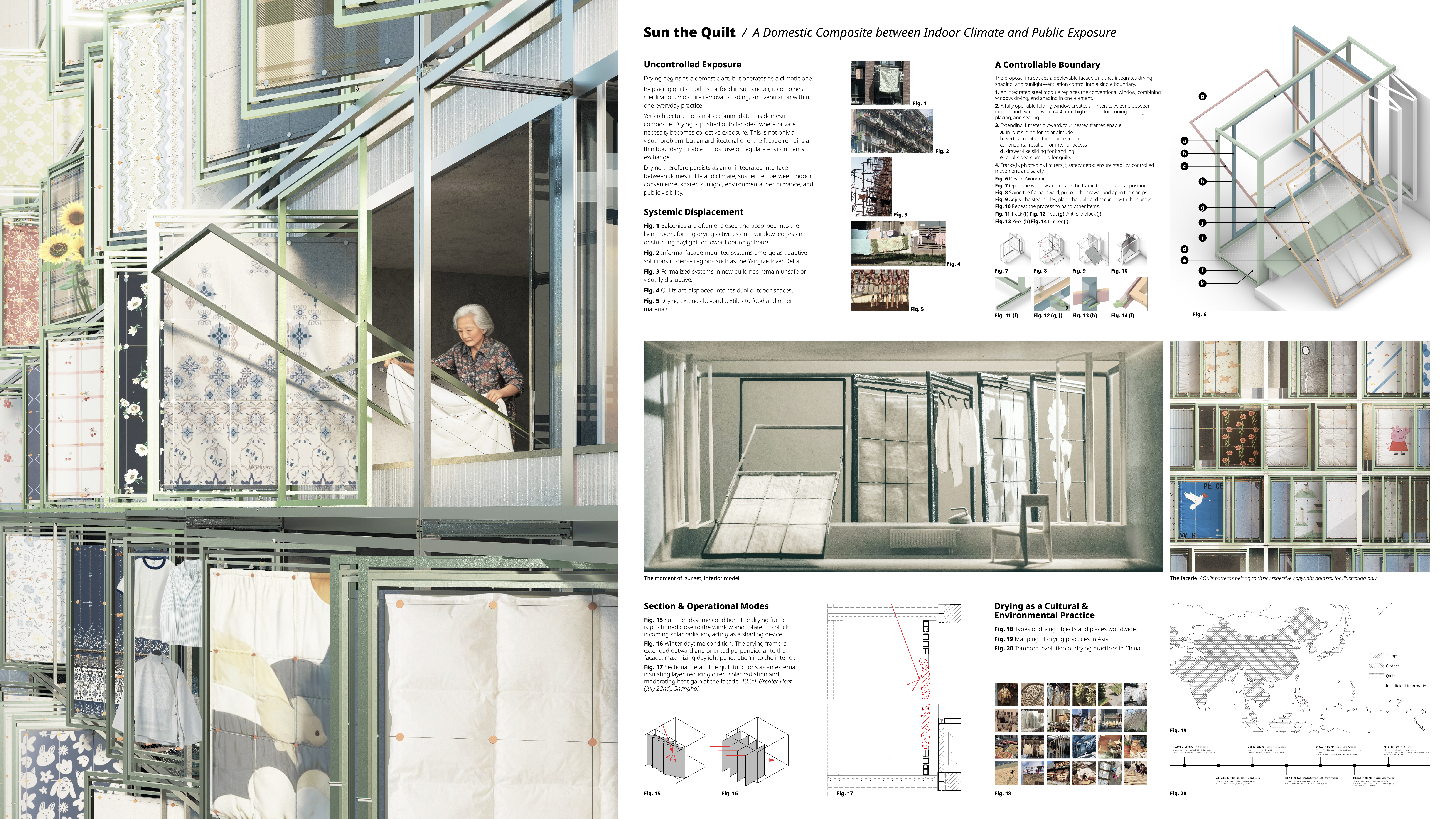
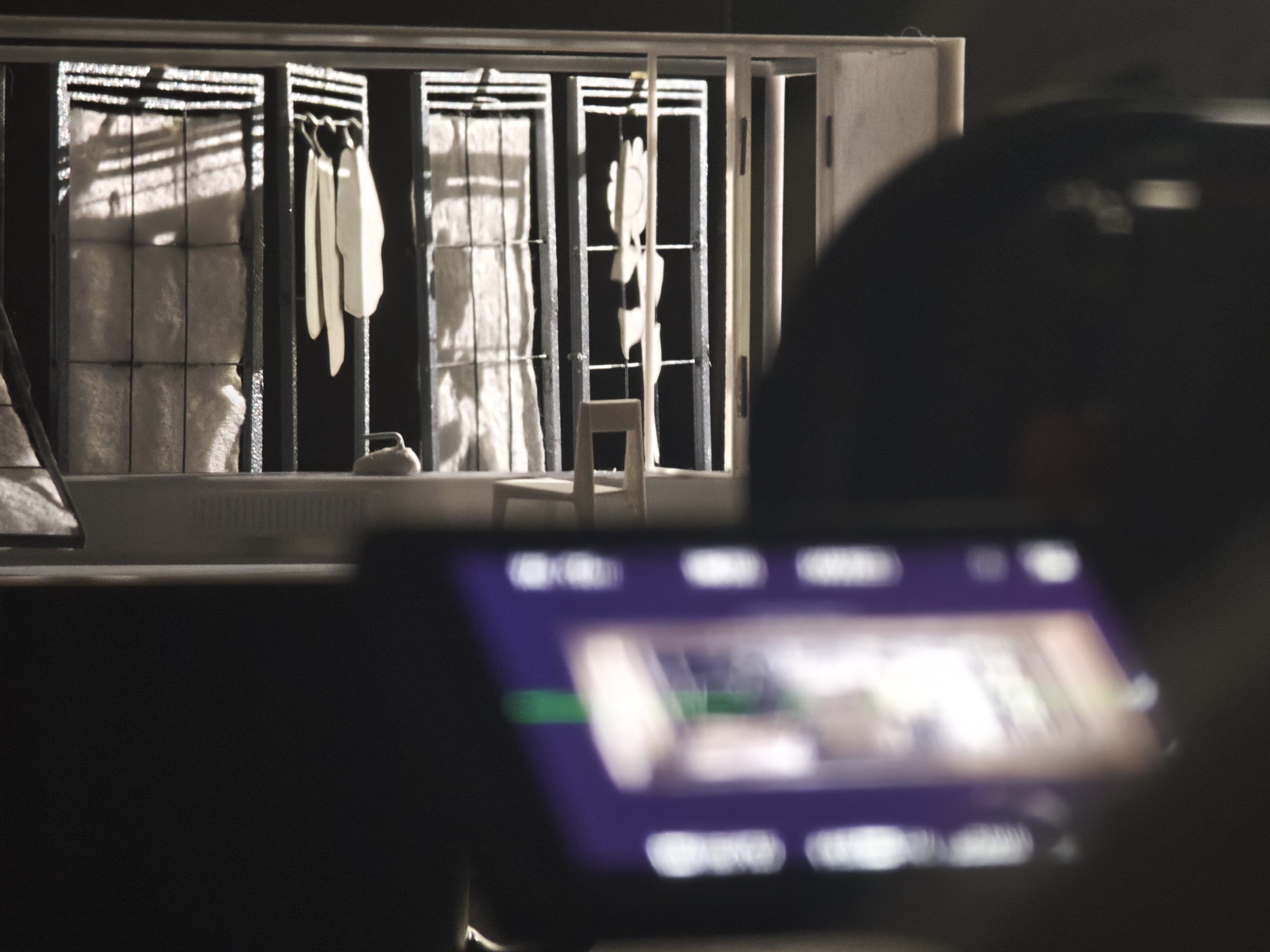
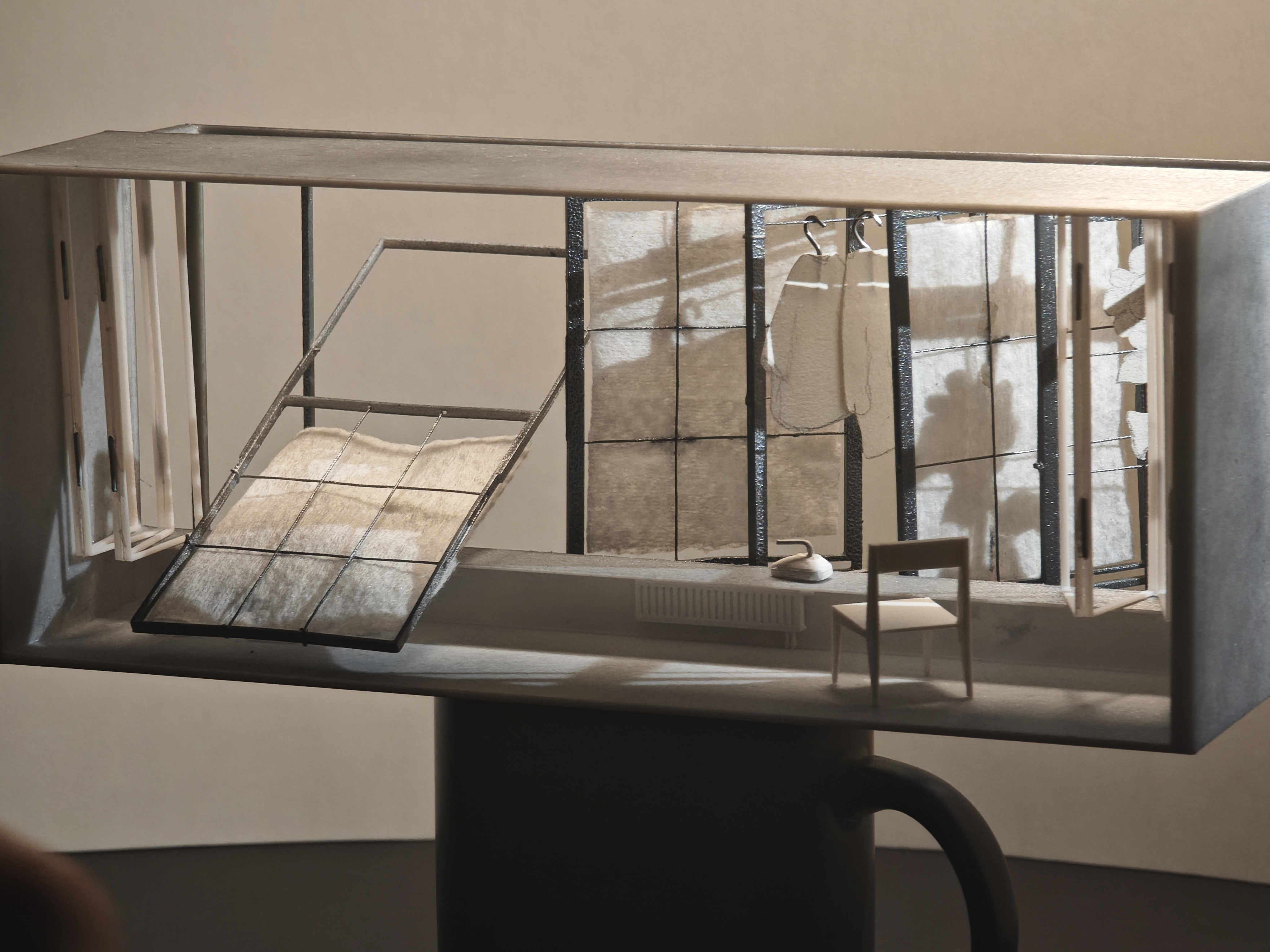
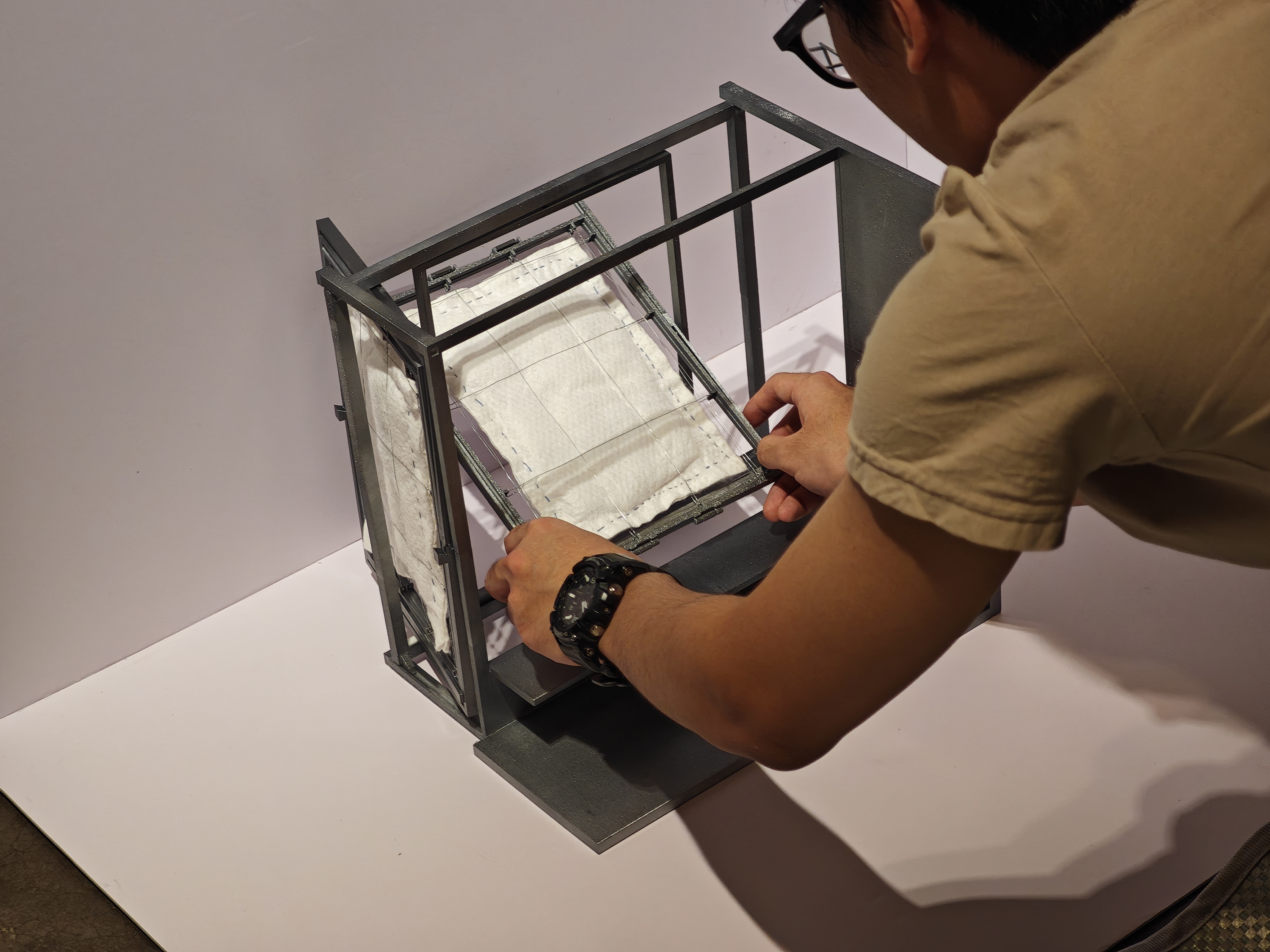
Responding to the competition theme, “Light of Tomorrow,” the project reimagines the simple act of drying quilts, textiles, food, and household objects in the sun. The proposal combines a fully openable window, an operational ledge, and nested, extendable, and rotatable frames that support drying, shading, ventilation, and daylight modulation within a single architectural system. The result is an adaptable façade that allows quilts and other household items to move outside while the resident remains safely indoors.
Rather than treating daylight as a finishing touch, the students positioned it as the project’s organising principle. By studying seasonal and daily solar patterns, they developed a responsive system that changes throughout the year. When deployed, a quilt becomes an external shading device; when retracted, daylight returns to the interior. Tina Christensen, Director of Light of Tomorrow by VELUX at the VELUX Group, noted that the winning project demonstrates “how daylight can be used with clarity and purpose to connect to real-world concerns, achieving meaningful impact through modest means.”
We spoke with the winning team, who told us about their experience of working with the theme of daylight, how it contributed to their professional development, and what their message is to the students preparing to participate in the next cycle of the competition.
D/A: Can you explain the story behind Sun the Quilt? What problem were you trying to solve, how was the idea formed, and how did your research, discussions, and design process shape the final design?
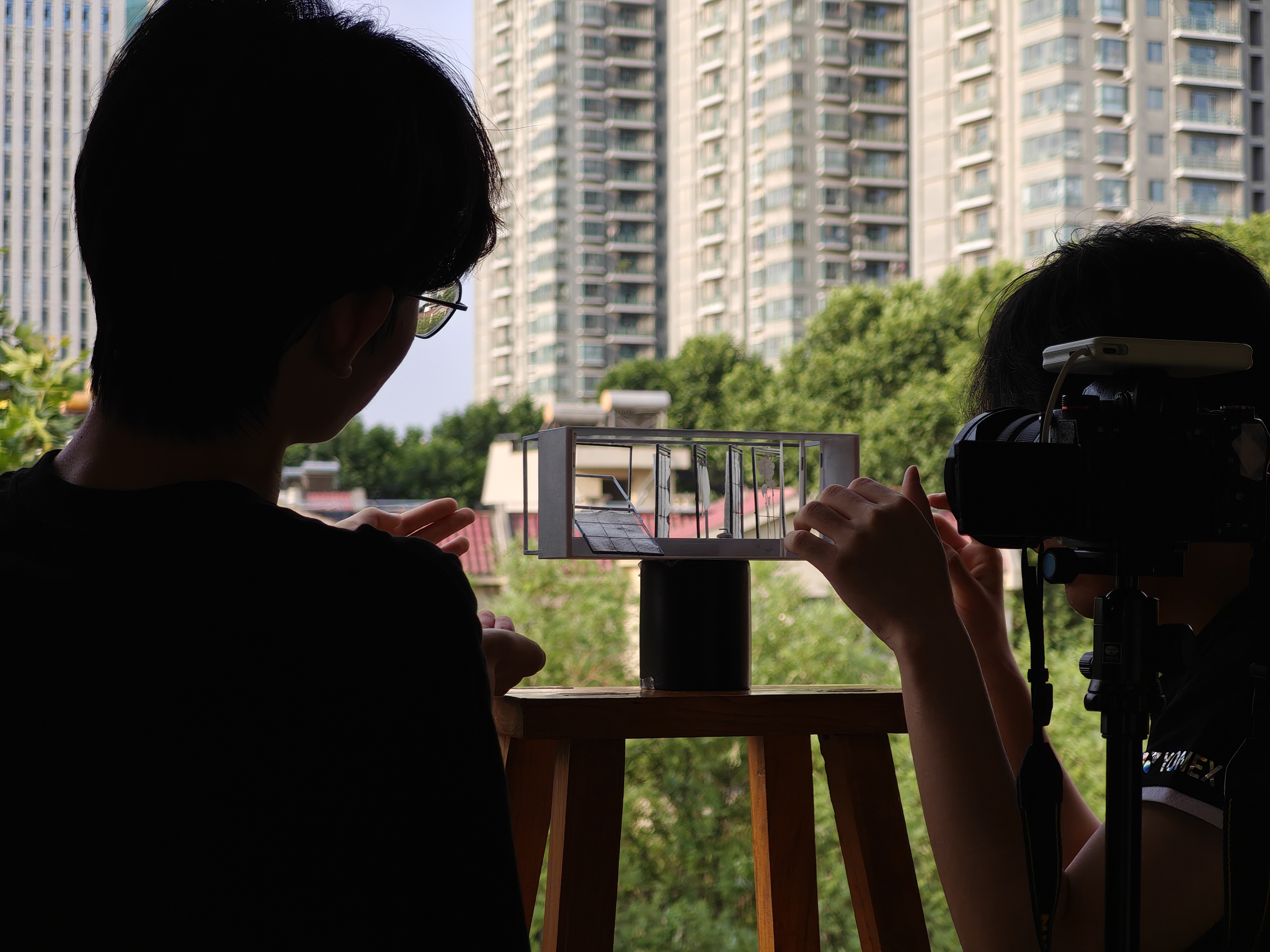
The project began with a very ordinary experience. One of us had to carry a three-kilogram quilt through the dormitory corridors, down the stairs, across the campus, and past other people, simply to put it on a pair of gymnastic bars in the sun. The quilt was light; the route made it heavy. This bodily effort became our original motivation. We then looked beyond our own experience across the Yangtze River Delta. We documented poles, frames, balconies, and window-mounted devices used by families to hang quilts and clothes. These objects are often regarded as visual disorder. We saw them instead as lived evidence. People were using their own intelligence to negotiate sunlight, air, hygiene, privacy, safety, and public exposure. Our research revealed that modern housing has lost an important layer. The facade has become a thin boundary, while many domestic activities still need a habitable and controllable space between inside and outside. We realized that the problem was not the weight of the quilt, but its position. Through movement studies, physical models, and repeated testing, we developed an integrated facade model.
“What began with one quilt eventually became a controllable domestic daylight boundary."
D/A: The competition asks students to place daylight at the centre of architectural thinking through the theme ‘Light of Tomorrow’. In what ways did daylight influence your design decisions from the beginning?
We never treated daylight as an atmospheric effect to be added after the form was designed. The project began with a domestic act, whose entire purpose is to seek sunlight, air, dryness, warmth, hygiene, and care. We studied how the position of the sun changes during the day and across the seasons. This informed how the frames extend, rotate, and move. When deployed, the quilt itself becomes a lightweight external shade. When it is repositioned or retracted, daylight returns to the room. The changing light therefore influences the facade, the interior climate, and the actions of the body at the same time. So, for us, light is not only something that enters architecture; it is something through which architecture organizes life. As we say, daylight moves and the room changes with it.
D/A: What were the biggest design challenges you encountered, and how did you overcome them?
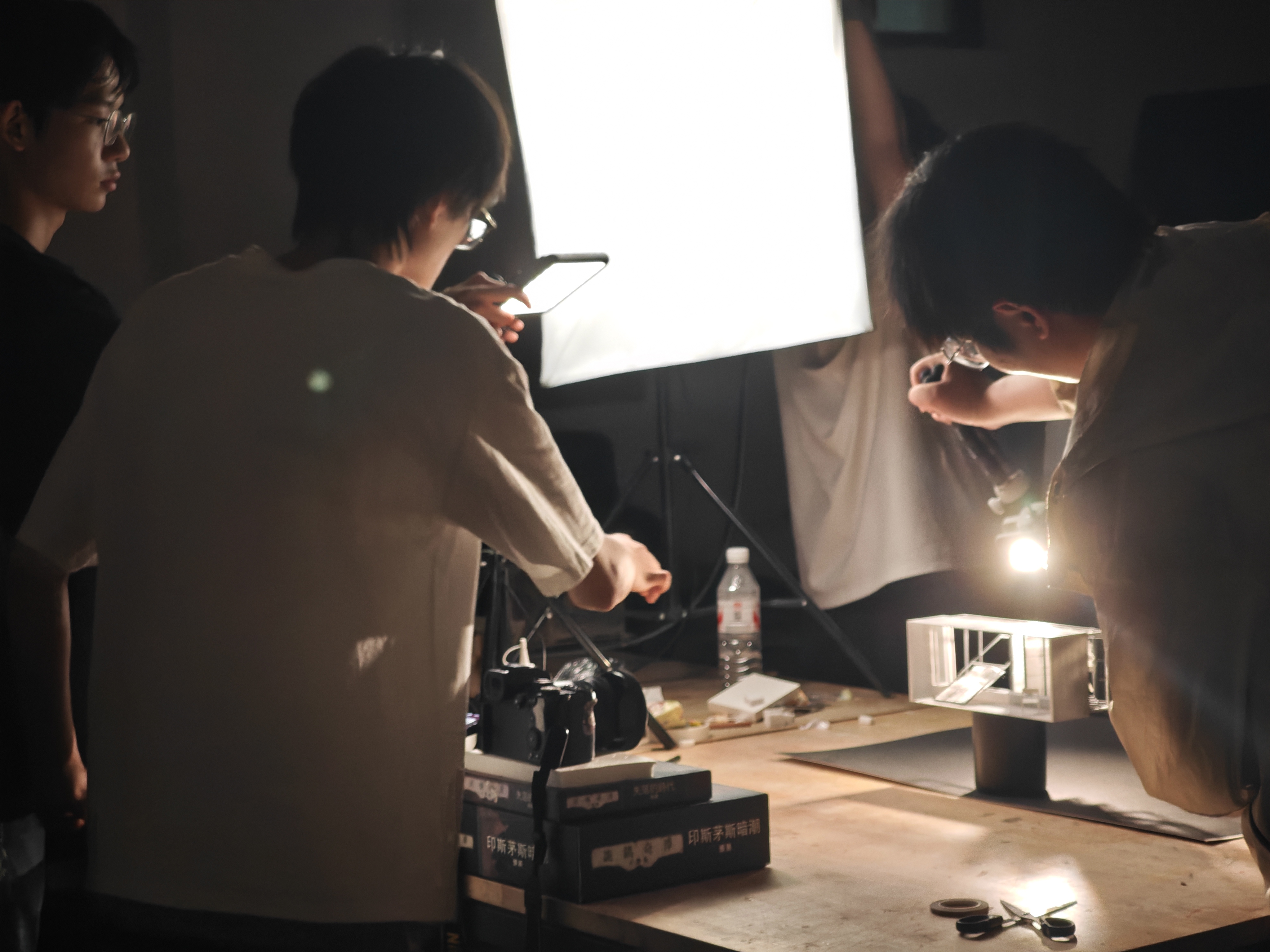
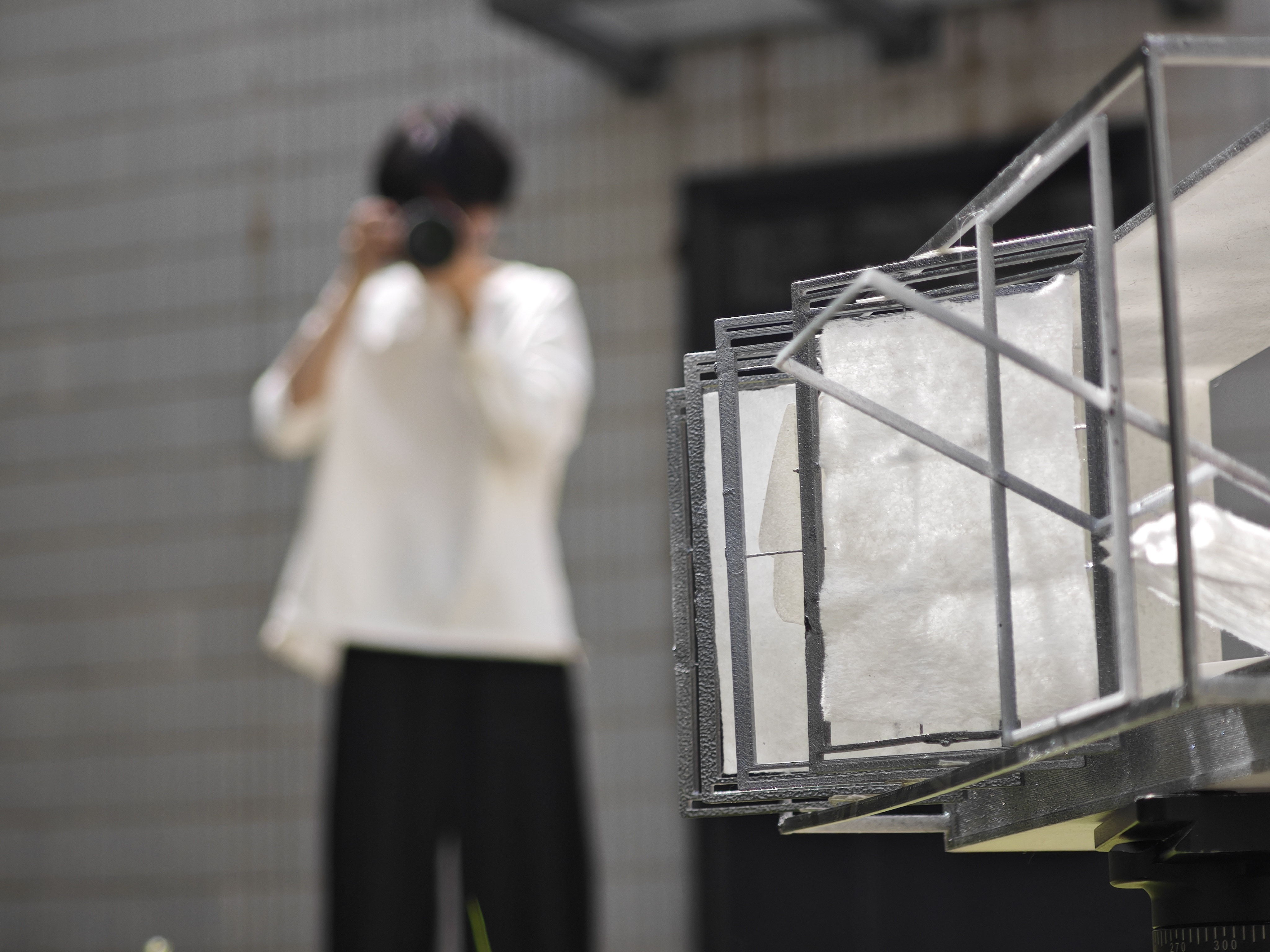
The quilt needed to reach the sun while the body remained safely inside; the facade needed to be open to air but capable of controlling privacy and exposure, and the moving system needed to feel light and flexible while remaining stable and precise. We therefore began with actions rather than form, opening, rotating, extending, placing, and clamping through repeated models, we separated the system into a stable architectural frame and a series of guided moving components: tracks, pivots, clamps, limiters, and safety elements were developed around a clear operational sequence. For every component, we ask the same question: Does it make this everyday ritual safer and easier, or does it improve the relationship between daylight, the room, and the body. This really helped us keep the final design focused.
D/A: What lessons from your local context could be applied elsewhere around the world?
Informal devices are often dismissed as disorder, but they may contain precise knowledge about climate, behavior, and unmet architectural needs. Although our research began in the Yangtze River Delta, daily life meets daylight everywhere. People sun clothes, quilts, carpets, herbs, and food in different climates and cultures. The object may change, but the need to negotiate sunlight, air, privacy, and care remains. Rather than exporting one fixed solution, we hope the project suggests a broader principle. The facade can become a responsive and inhabitable boundary, adapting to local climates, housing types, and domestic rituals.
D/A: What do you think you have gained, both personally and professionally, by taking part in this competition?
Personally, we gained confidence in the value of ordinary experience; we learned that something familiar and apparently too small for architecture can reveal a much larger question when it is observed carefully. Professionally, the competition taught us how to move from first-hand experience to research, from research to a precise architectural question, and from that question to a buildable system. Working as a six-person team also taught us to discuss, disagree, make, and communicate with greater patients. Most importantly, we learned that an architectural project can be modest on a physical scale while still addressing large environmental and human concerns.
D/A: What was your highlight of the competition?
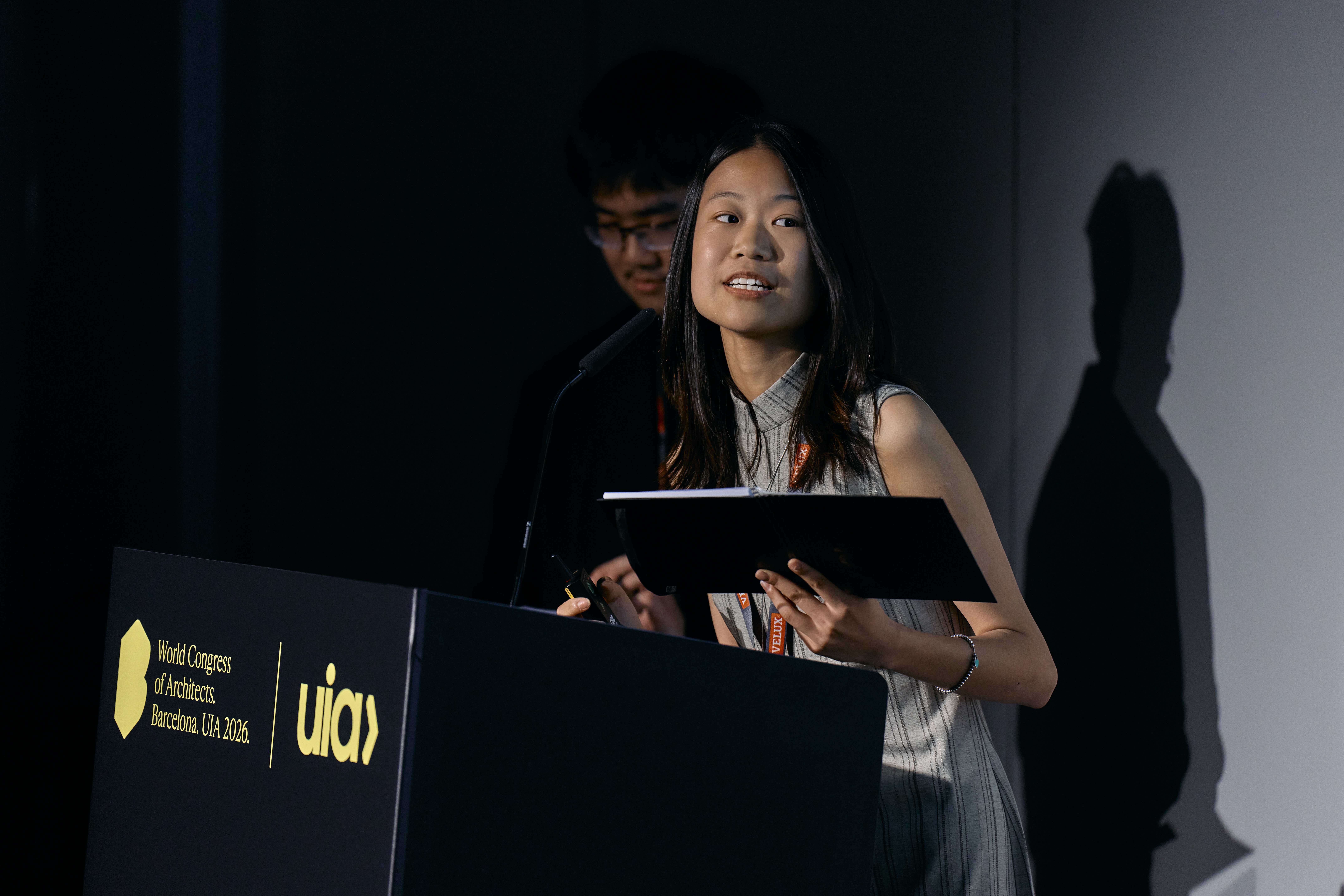
The highlight was presenting the project at the UIA World Congress in Barcelona and seeing a very local story become understandable in an international setting. Being selected as the overall winner was unforgettable, but the deeper experience was the exchange with students, architects, and jury members from different parts of the world. A quilt from our own daily life had opened a shared conversation about dignity, care, and daylight. At that moment, the competition became more than a selection process; it became a genuine exchange of experiences and ways of seeing.
D/A: What are the next steps in your education/career? Do you have any exciting plans or wishes for the future?
Each member of our team may eventually follow a different path, but our immediate step is to continue our architectural education with a stronger connection between research, making, and everyday life. We also hope that ‘Sun the Quilt’ will not end as a competition project. We would like to develop a full-scale prototype, test it, test it through different seasons, and explore how it might be adapted to real housing, construction standards, and different cultural contexts. In the long run, we hope to become architects who remain attentive to overlooked needs and who can transform careful observation into real improvements in daily life.
D/A: What advice would you give to students considering entering the next edition of the competition?
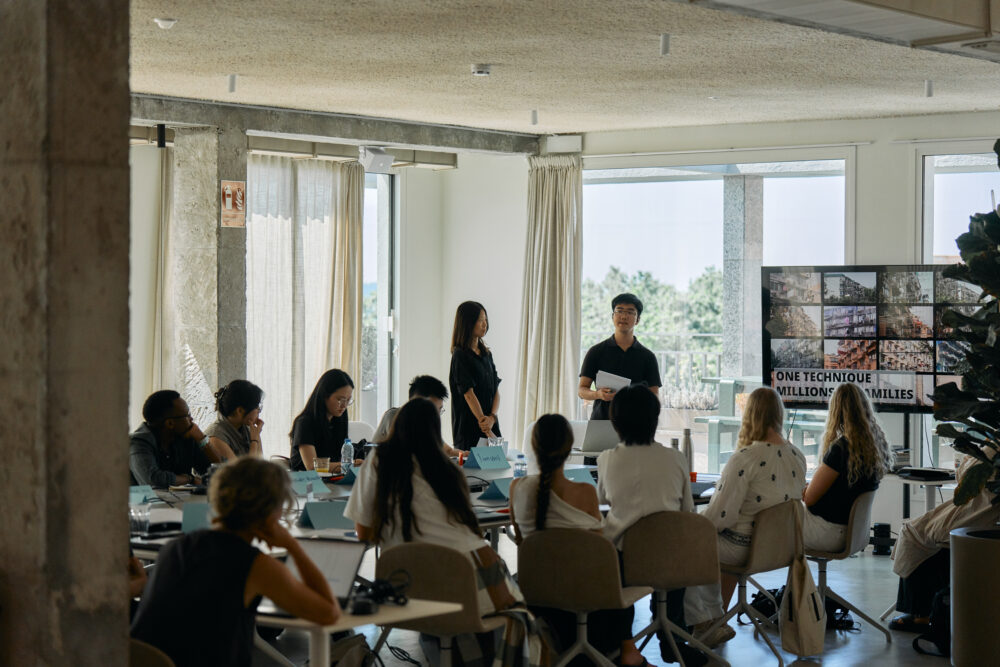
Begin with something real and experience a difficulty or an everyday act that you genuinely cannot ignore. Do not begin by trying to imagine what a winning project should look like. Observe before designing, collect evidence, study the body, the climate, and the sequence of actions, and allow discussion and physical testing to challenge your first idea: place daylight at the center of the initial question, rather than adding it to the final image. Be ambitious in the depths of your investigation, even if the subject itself appears small. When a project grows from a genuine human need, a very local story can speak to the world.
"When a project grows from a genuine human need, a very local story can speak to the world."