A Journey Through Time and Light
Category
Daylight
Daylight & Architecture
Design Philosophy
Magazines Revisited
Author
Jakob Schoof
Photography
Torben Eskerod
Source
Daylight and Architecture MAGAZINE, ISSUE #19, 2013
Share
Copy
Finding common ground between conservation and accessibility was one of the main tasks that the Victoria and Albert Museum (V&A) and architects MUMA faced when they created the new Medieval & Renaissance Galleries. In terms of lighting, their aim was to allow as much daylight as possible to enter, but without harmful UV radiation and, wherever possible, without direct sunlight on the exhibits.“This is no mean feat, given the constraints of combining materials requiring different light levels, notably sensitive objects such as textiles and drawings”, says project chief curator, Peta Motture. The challenges were thus considerable but they have been resolved in a way that may well make the newly created galleries a model for future daylit museums throughout the world.
The Medieval & Renaissance Galleries are located in the south wing of the V&A, which was completed in 1909 to designs by Aston Webb. They comprise three series of spaces located on three different levels that were, before their recent conversion, partly used for non-exhibition purposes. Two of them are located in the lower ground and on the first floor next to the south facade of the museum; a third is adjacent at ground level (Gallery 50). In between, there used to be an open light-well, which had, over the years, been built into at the lower levels for behind-the-scenes use by the Museum.
Establishing connections –the spatial concept
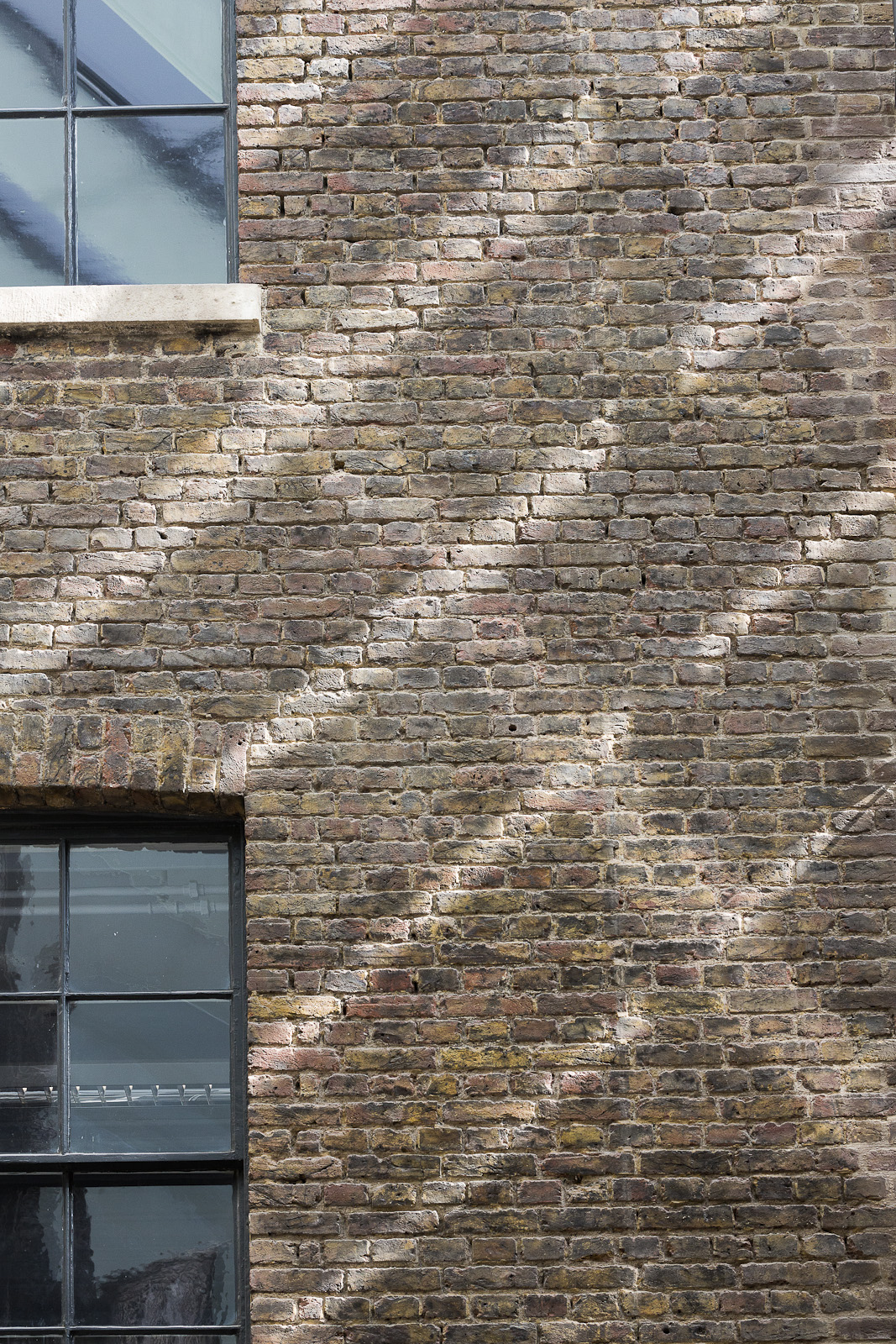
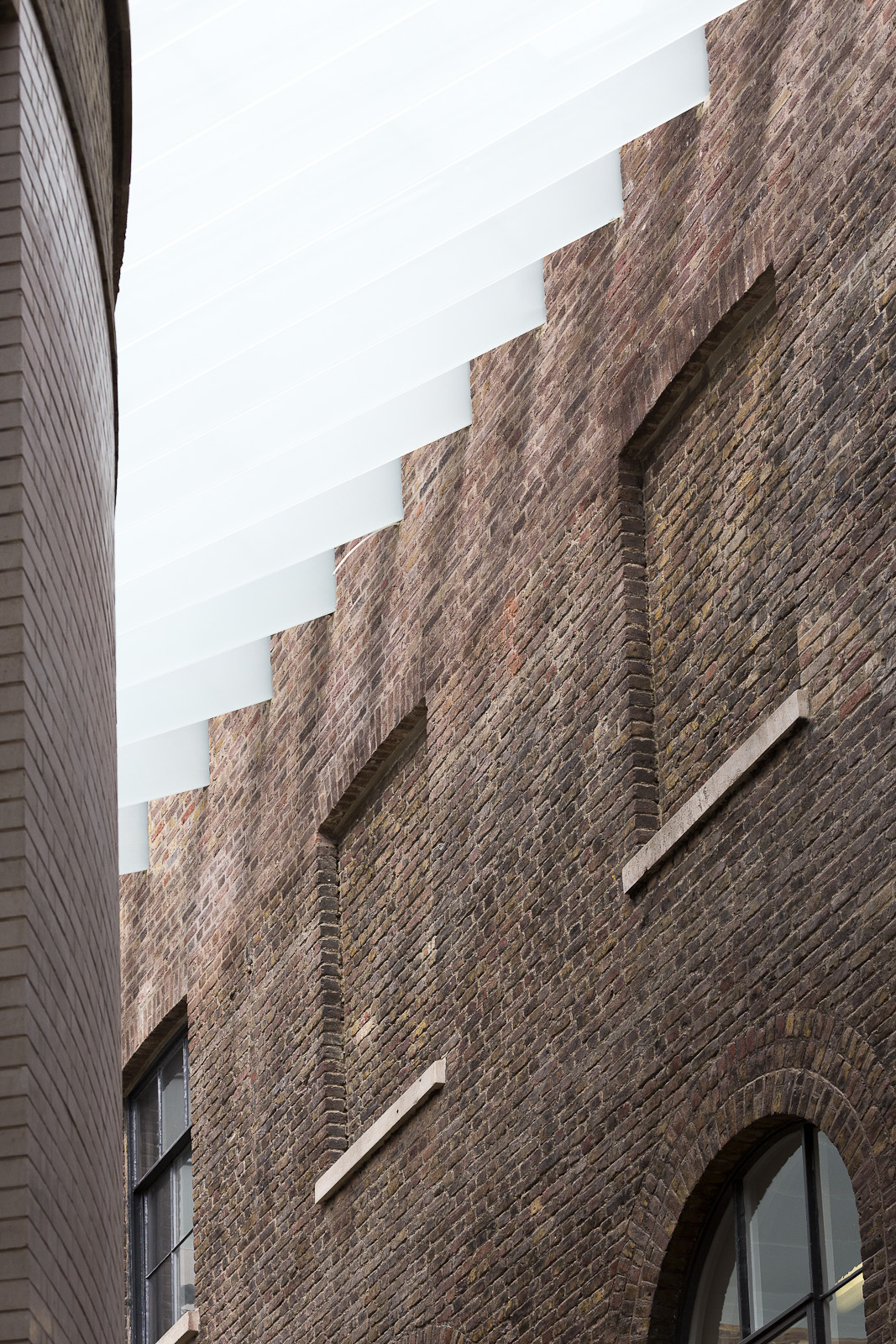
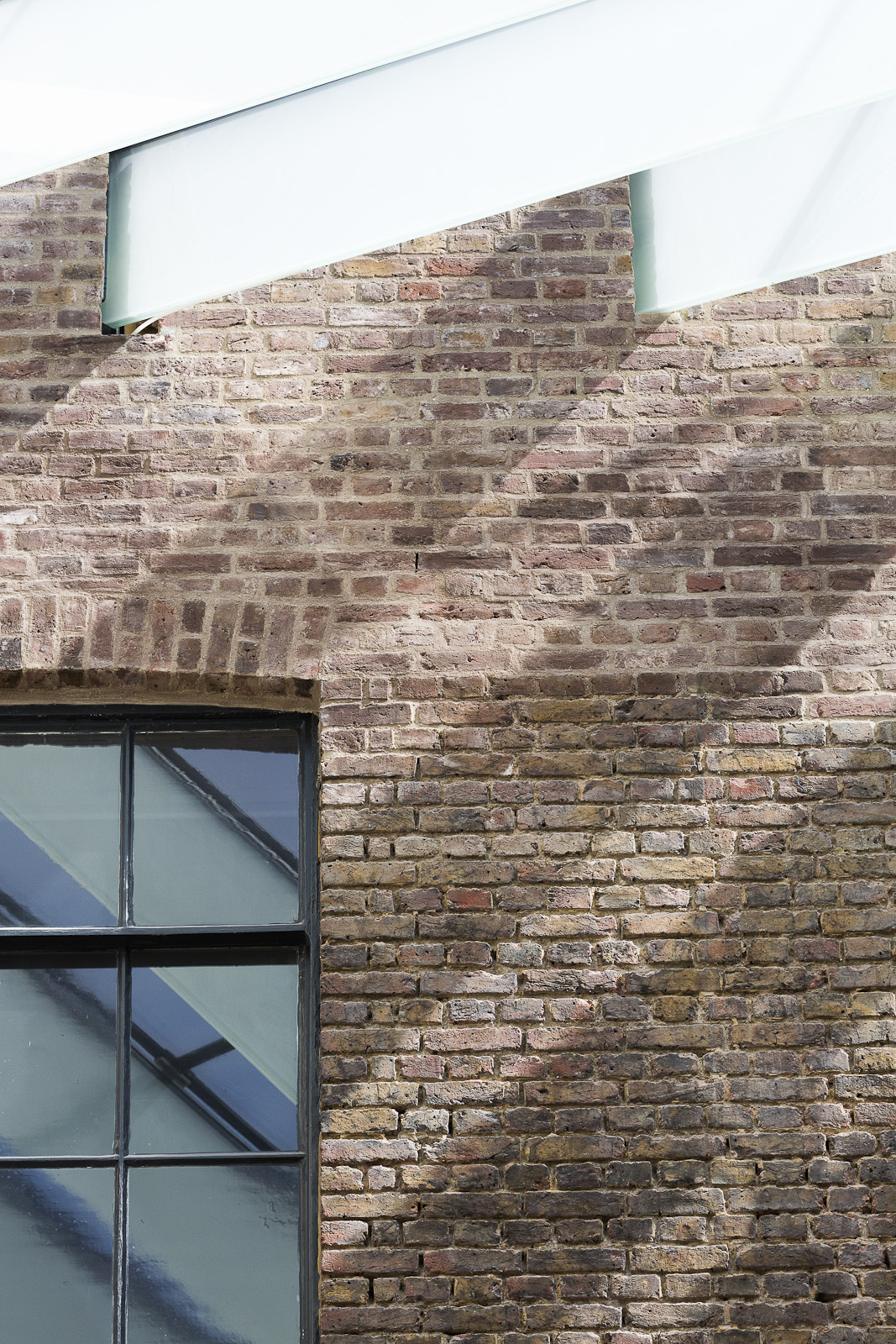
The architects identified the lack of spatial interconnection as a significant challenge of the project: how would it be possible to join together the spaces distributed over three levels and separated from each other by an open lightwell? MUMA’s solution was to remove some connecting stairs and delivery ramps, excavate the lightwell down to basement level and put a glass roof over it. This strategy made the former outdoor area usable as an additional space for exhibitions, as well as for a new stair and lift providing access to all six levels of the museum.
The newly-created gallery, which curves in a U-shape around the apse of Gallery 50, now joins what used to be separate spaces. The character of the external walls has been retained, and this tranquil space is an ideal place to relax and contemplate the works of art.
“It was particularly important to dispel the still popular notion of the medieval ‘dark ages’ by creating spaces that feel light.”
Light structures space – an orientation system without signposts
In the new sequence of spaces made up of ten galleries altogether, several ordering systems are superimposed on each other, which largely manage without any classical aids such as partition walls and signposts. At the heart of the exhibition organisation are the objects themselves. MUMA placed particularly striking or important exhibits at the end of lines of sight and in other strategically significant places in order to guide the visitors. To divide up the spaces, including the largest ones, they almost exclusively the exhibits, together with their pedestals and the frameless glass show-cases in which they are displayed.
While each room has its own narrative, there is also an overlapping chronology that structures the exhibition. It covers 300–1500 on the lower level, and 1400–1600 above, complemented by often larger-scale objects dating from 1350–1600 in Gallery 50.
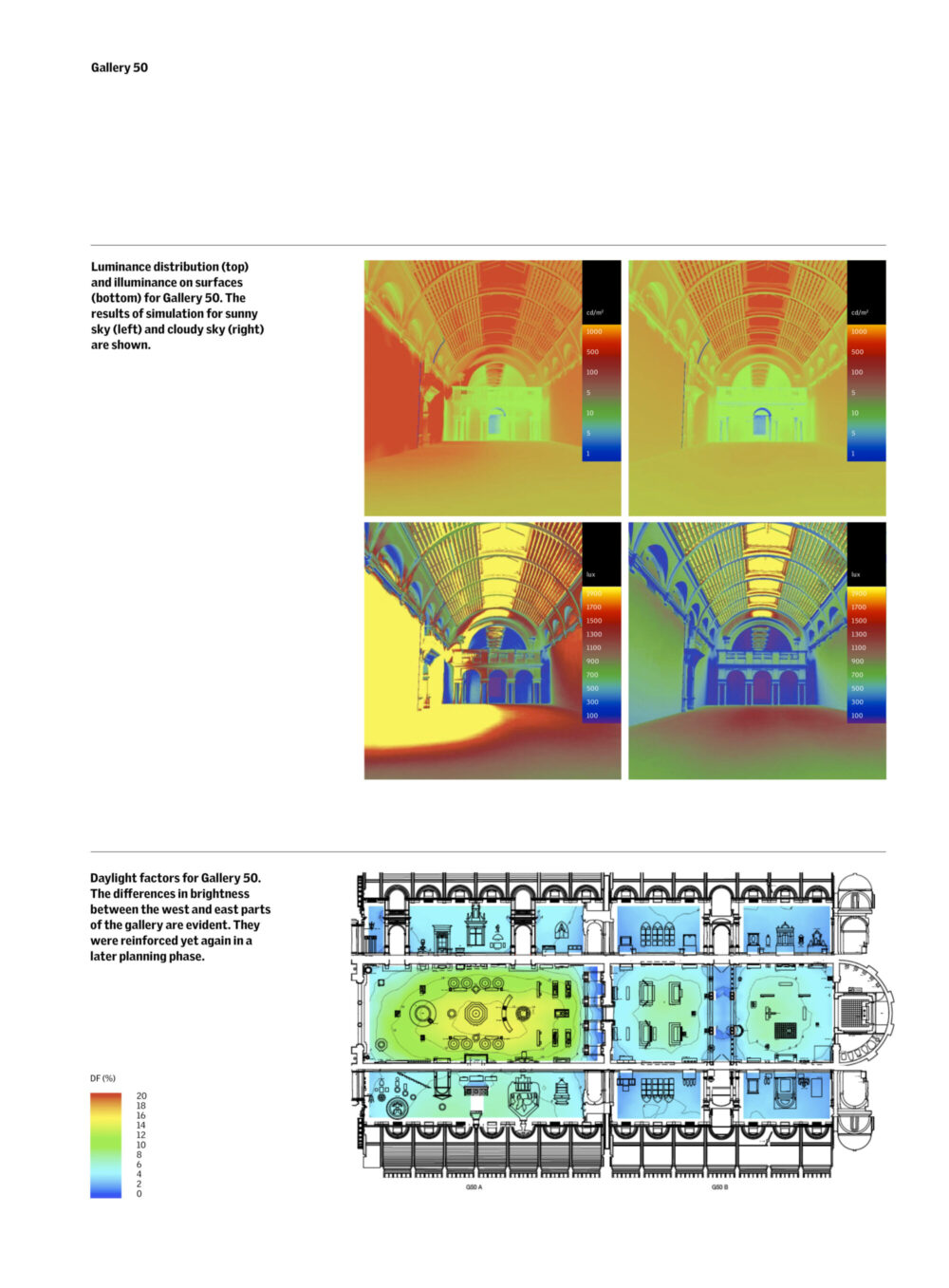
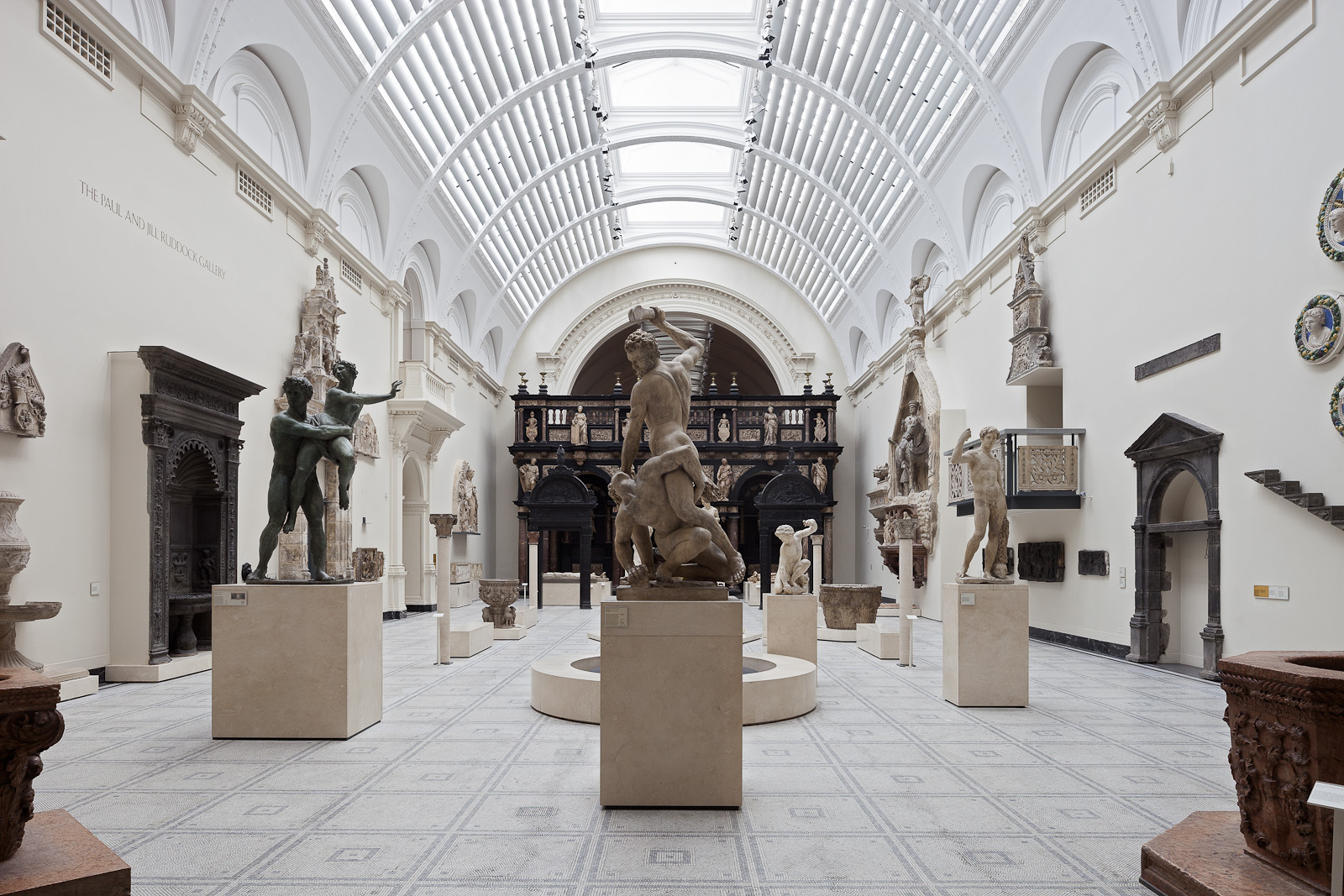
In terms of atmosphere, the curatorial brief sought a change of pace and rhythm throughout the galleries. Aston Webb’s architecture provided a sequence of spaces of changing scale and MUMA reinforced this rhythm with the use of light and colour. Along the south facade, light-filled, elongated spaces alternate with darker, quadratic ones on both the exhibition levels. In Gallery 50, in contrast, the lighting levels become more and more subdued from the entrance in the west to the apse in the east. This dramaturgy of light corresponds to the composition of the exhibition. The first half of Gallery 50 mainly accommodates sculptures and other light-insensitive works of art. In the second, there are religious art objects, some of which are sensitive to light to a degree.
Congenial collaboration –MUMA and Arup
In the architects’ competition submission, daylight already played a key role. The Museum’s Board of Trustees therefore commissioned two specialists to do the lighting design; DHA Design was responsible for the artificial lighting and Arup for the daylighting design. “This was an extremely exciting and, at times, challenging brief,” said Steve Walker, Associate Director at Arup. “The luminous qualities of natural light cannot be replicated artificially and, in this project, it was a fundamental goal to illuminate these new galleries as far as possible with natural light– for the way it can beautifully illuminate materials and objects, its ability to create atmosphere and, of course, because it is an energy-free source of light.
At the beginning of the daylighting design stage, the Arup engineers created a detailed 3D computer model of the exhibition spaces and the surrounding buildings. This formed the basis for further calculations and modifications. Most design decisions were checked mathematically and visually with reference to this model. It was only in the final design phases that, for some of the spaces, the client had 1:1 mock-ups built in order to verify the interaction of daylight, materials and wall colours.
Step-by-step optimisation –galleries on the south facade
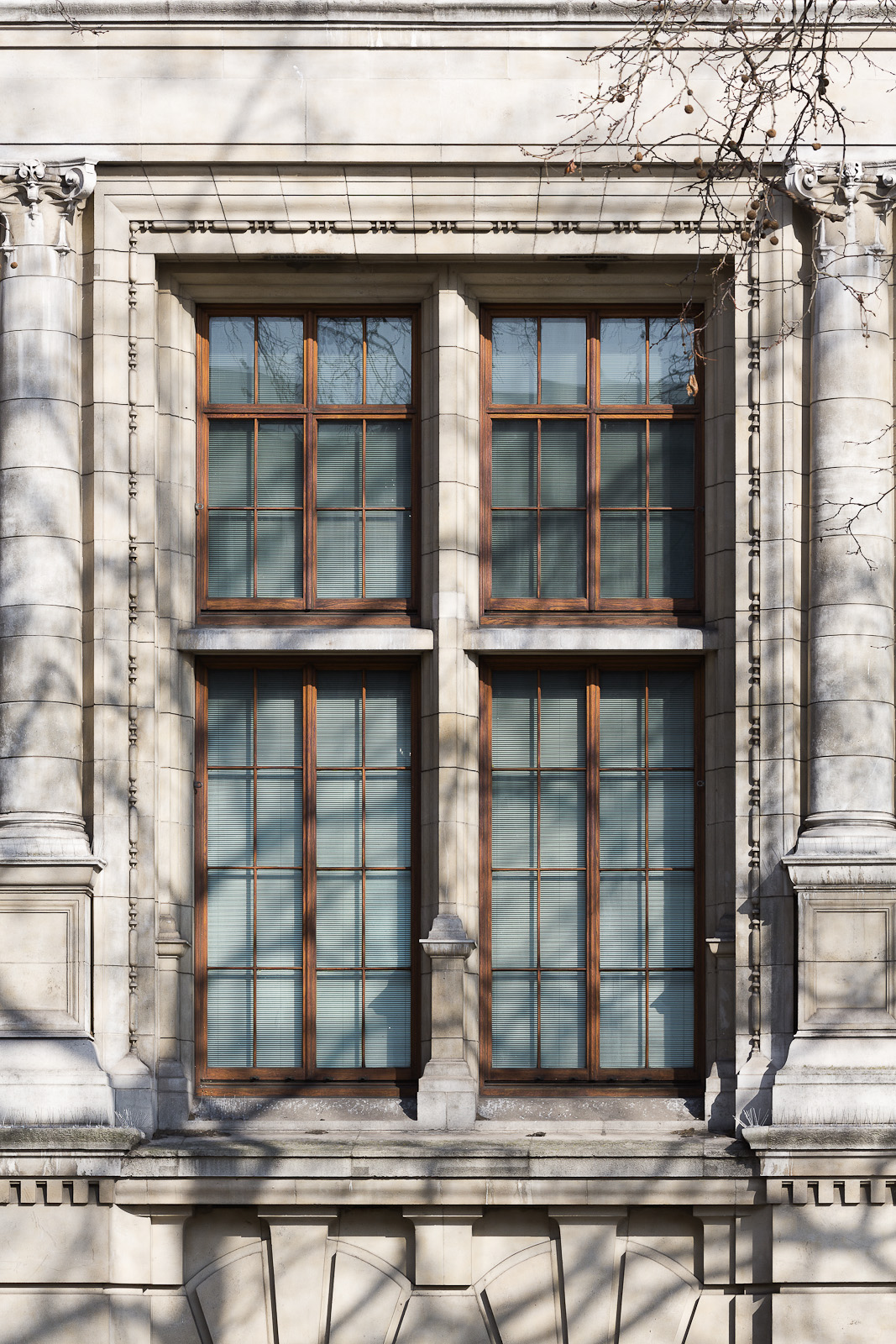
In terms of daylighting, the galleries on the south facade posed the greatest challenges in that they receive direct, sometimes very strong sunlight and are only naturally lit from one side. Without shading, the rooms can be intensely illuminated during periods of strong sunshine and yet, when the sky is cloudy, they might only receive lighting levels in the order of 10 lux. “We had to bring these extreme fluctuations of brightness down to an acceptable level without completely suppressing the dynamics of the daylight,” explained Francesco Anselmo, who was responsible at Arup for daylight simulations.
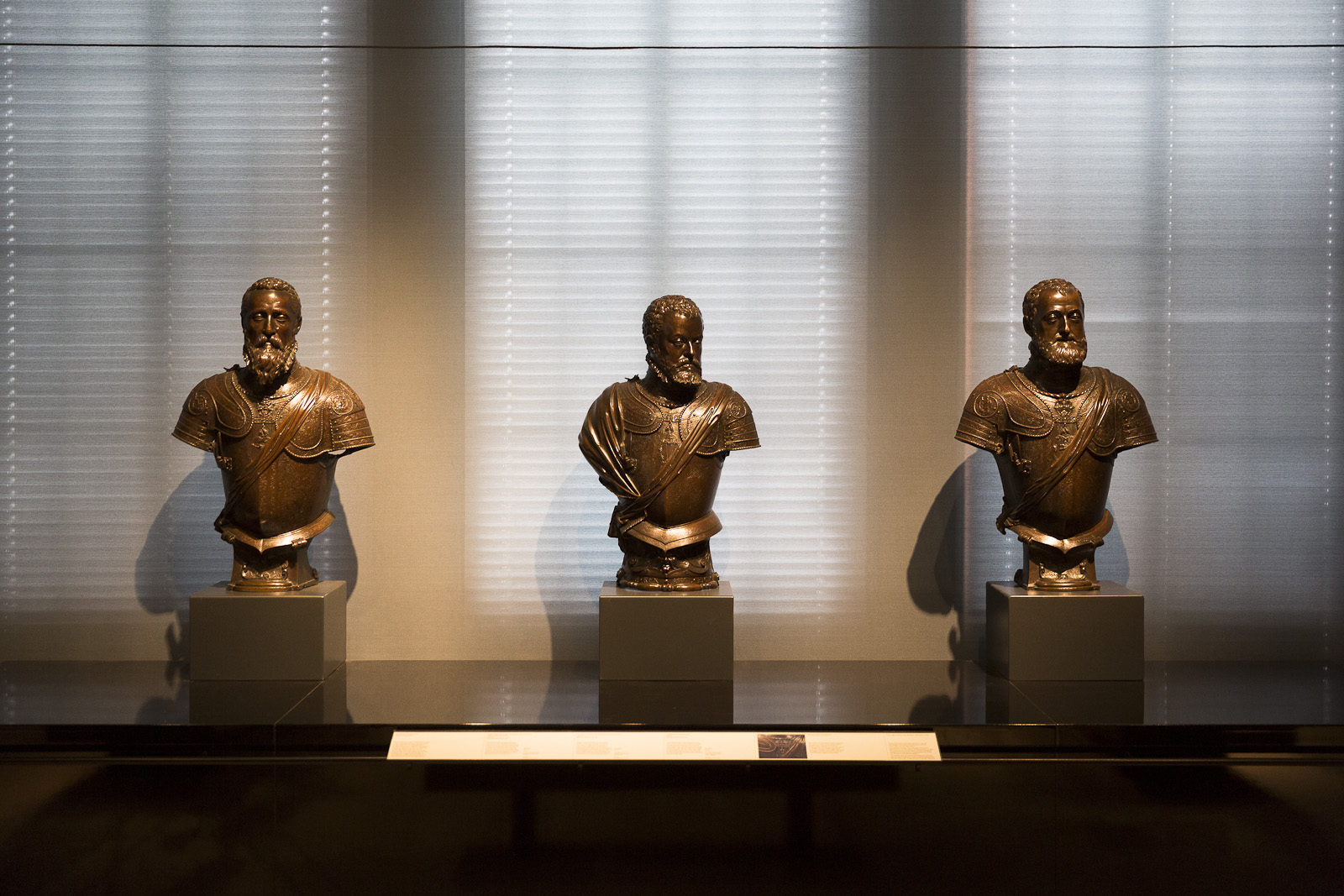
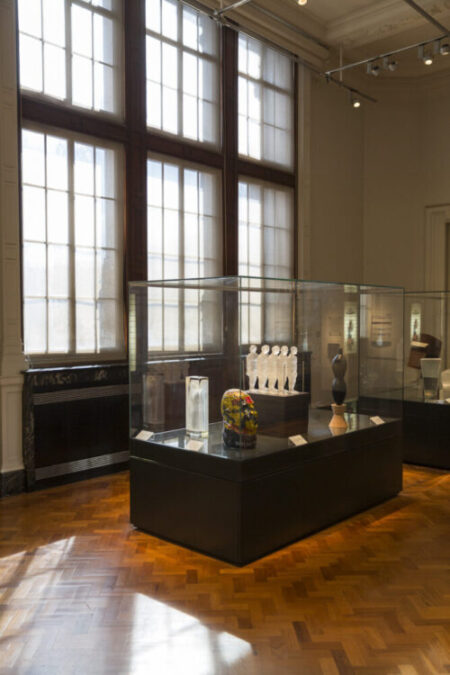
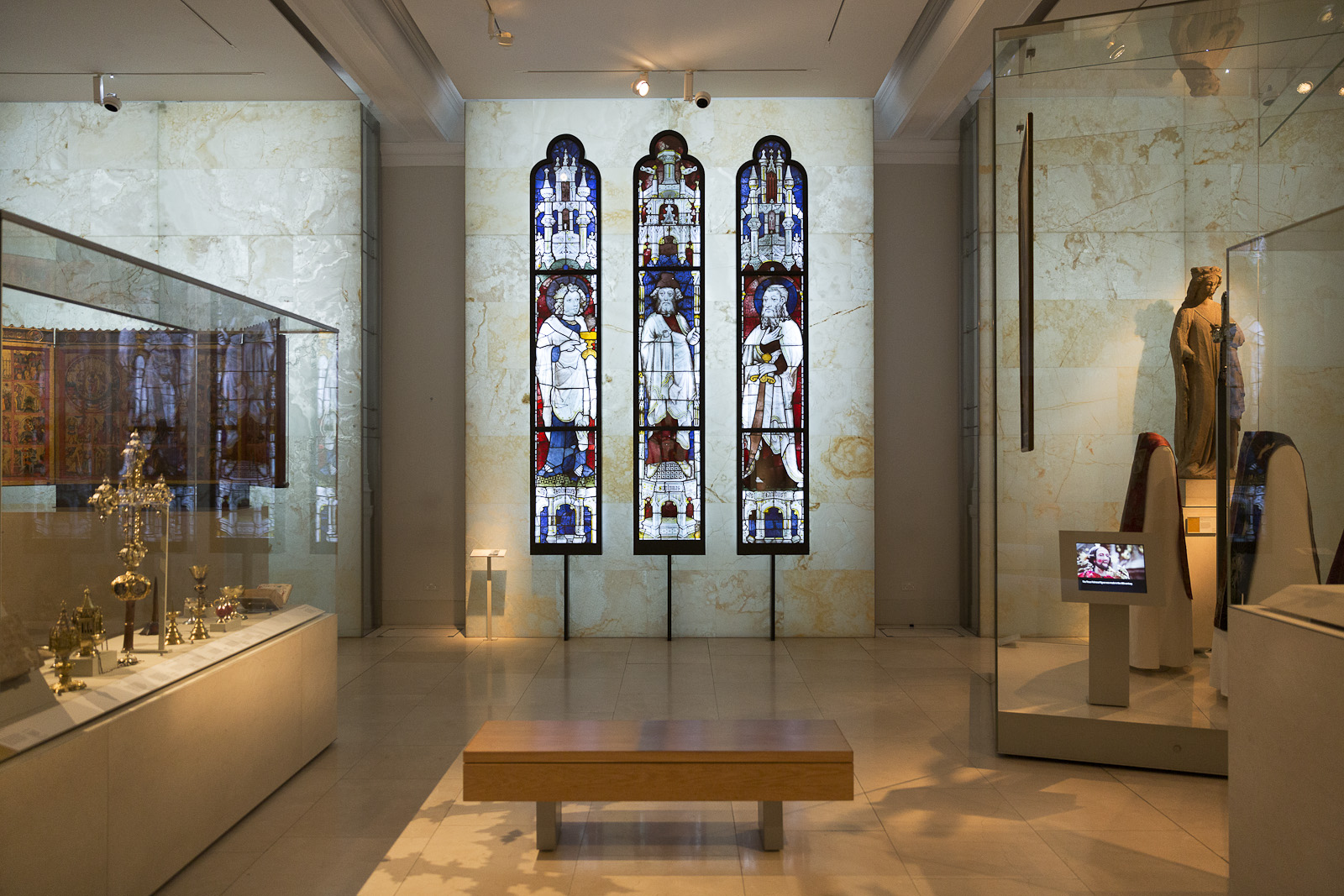
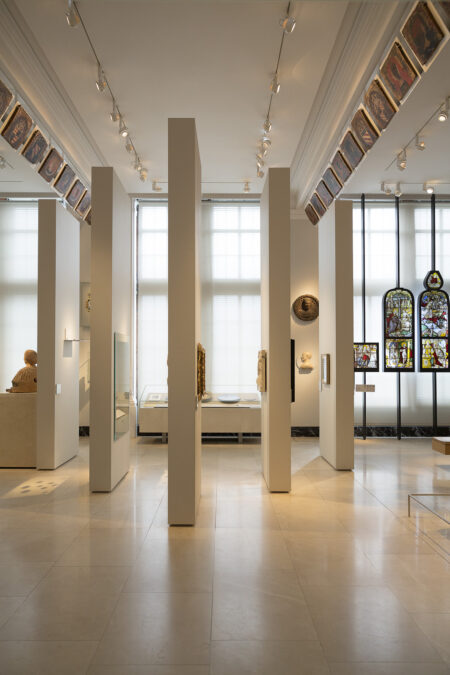
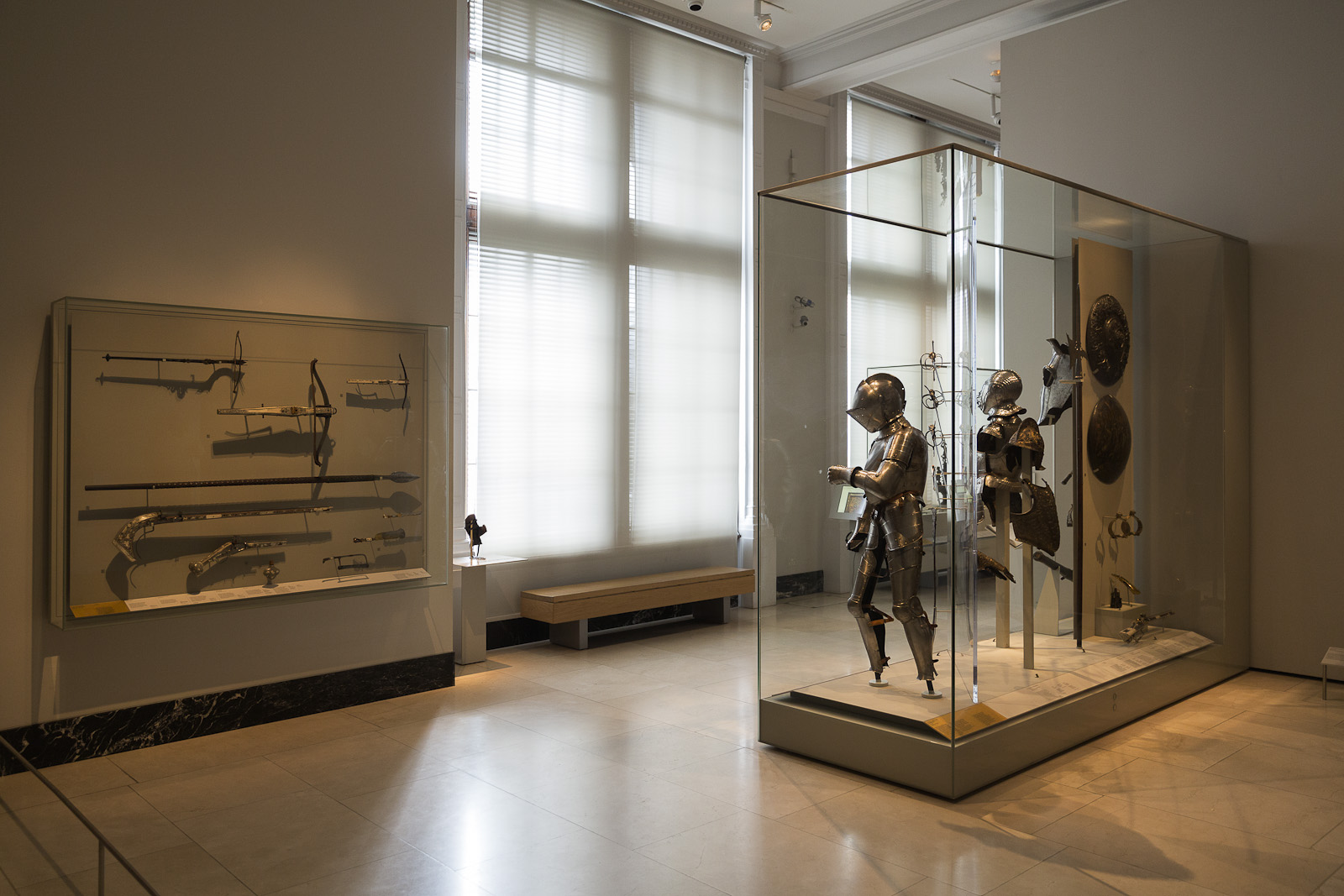
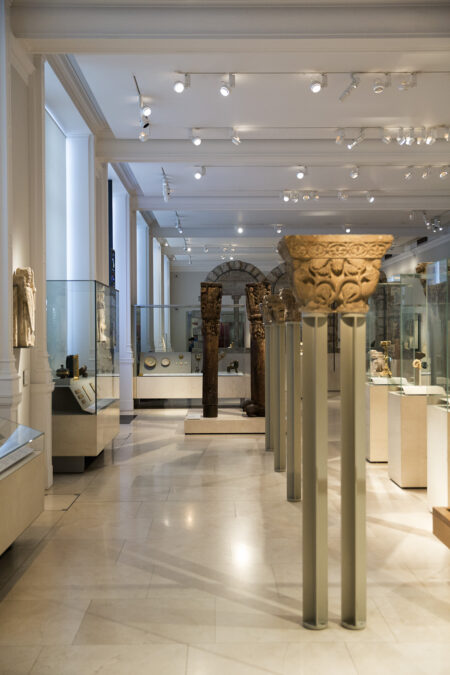
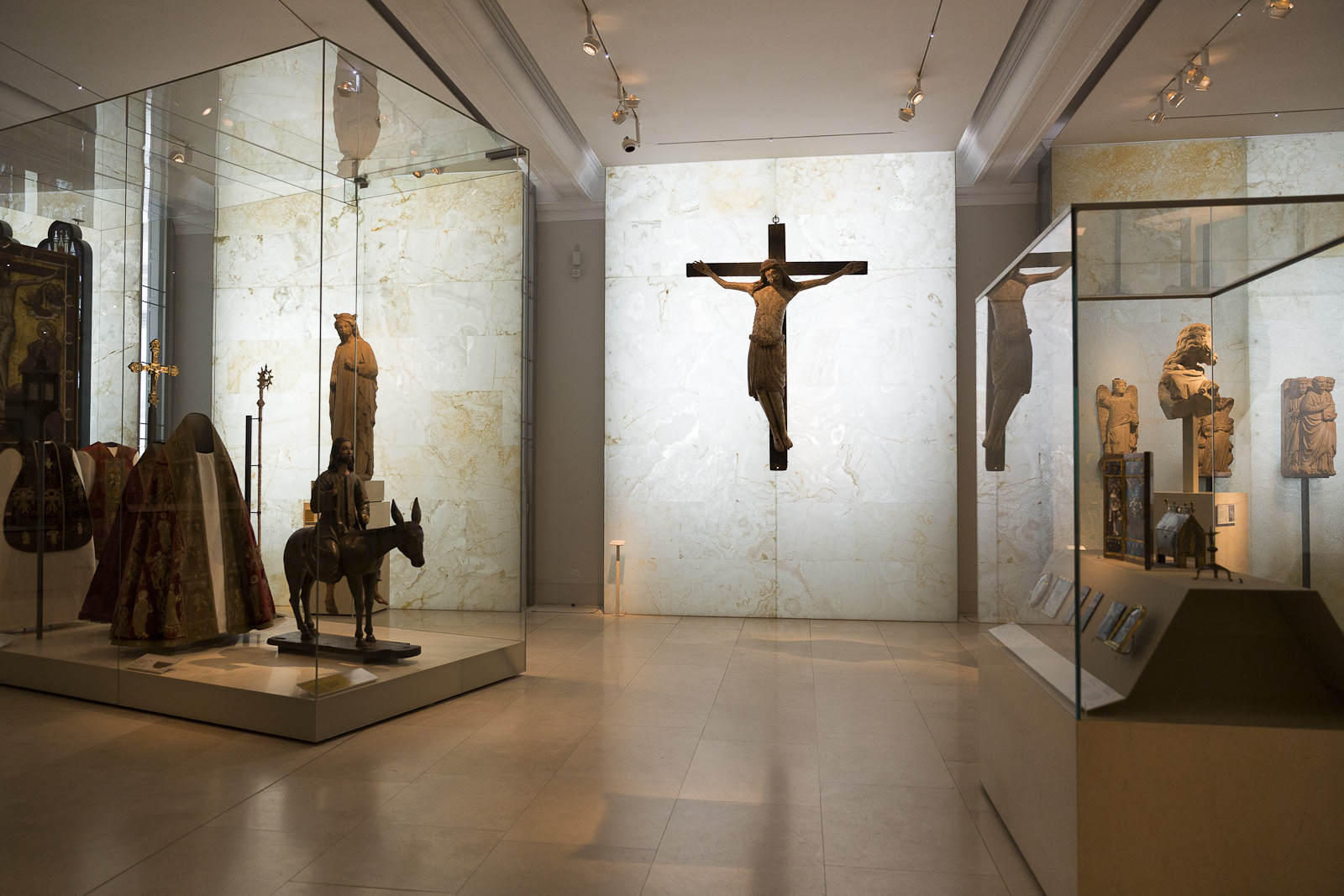
In their calculations, the engineers proceeded one room at a time and, in doing so, had to take two important aspects into account: the daylight atmosphere desired by the architects, and the light sensitivity of the individual exhibits. For the most sensitive exhibition pieces, a limit of 200,000 lux hours per year was imposed, which corresponds to an illumination of 50 lux over a period of 10 hours per day. The engineers now had to balance this requirement with the amount of daylight in each space. First they calculated the cumulative light exposure (in lux hours) in the course of a year for each window using the weather data available for London. From this, they derived the annual light exposure for every given point both horizontally and on the walls in each gallery space. This calculation was repeated several times, with varying light transmission values for the windows, until even the most sensitive exhibits in the room would receive only the permitted amount of daylight.
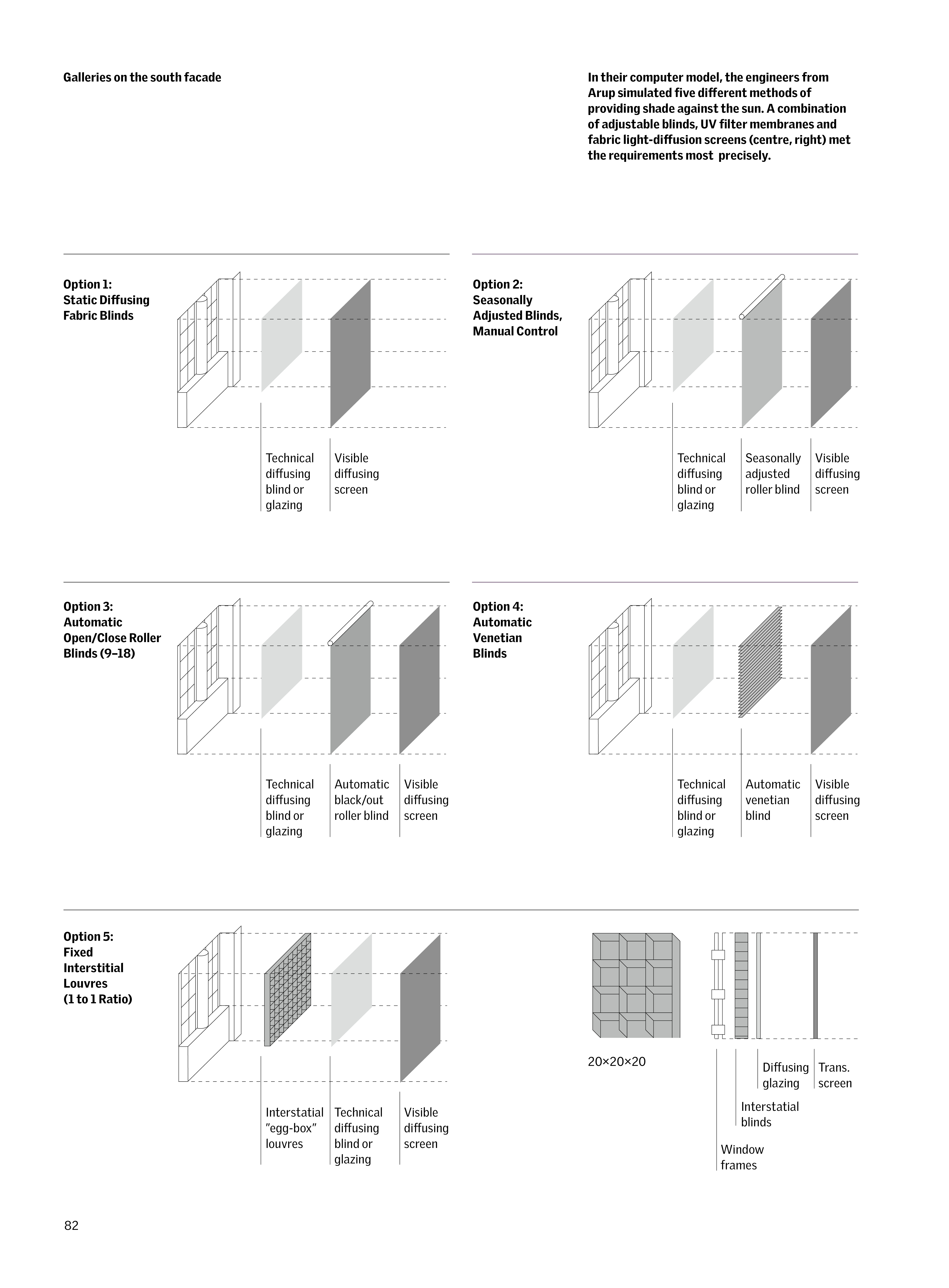
The maximum permissible light transmission thus determined for each window now had to be achieved through a suitable combination of window, light diffusors, UV filters and shading elements. At the same time, the great variability of the daylight had to be taken into account, according to Francesco Anselmo, because, “we wanted to darken the spaces that the architects’ concept required to be dark and we wanted to make those spaces that were supposed to be bright as light-filled.
“This was an extremely exciting and, at times, challenging brief."
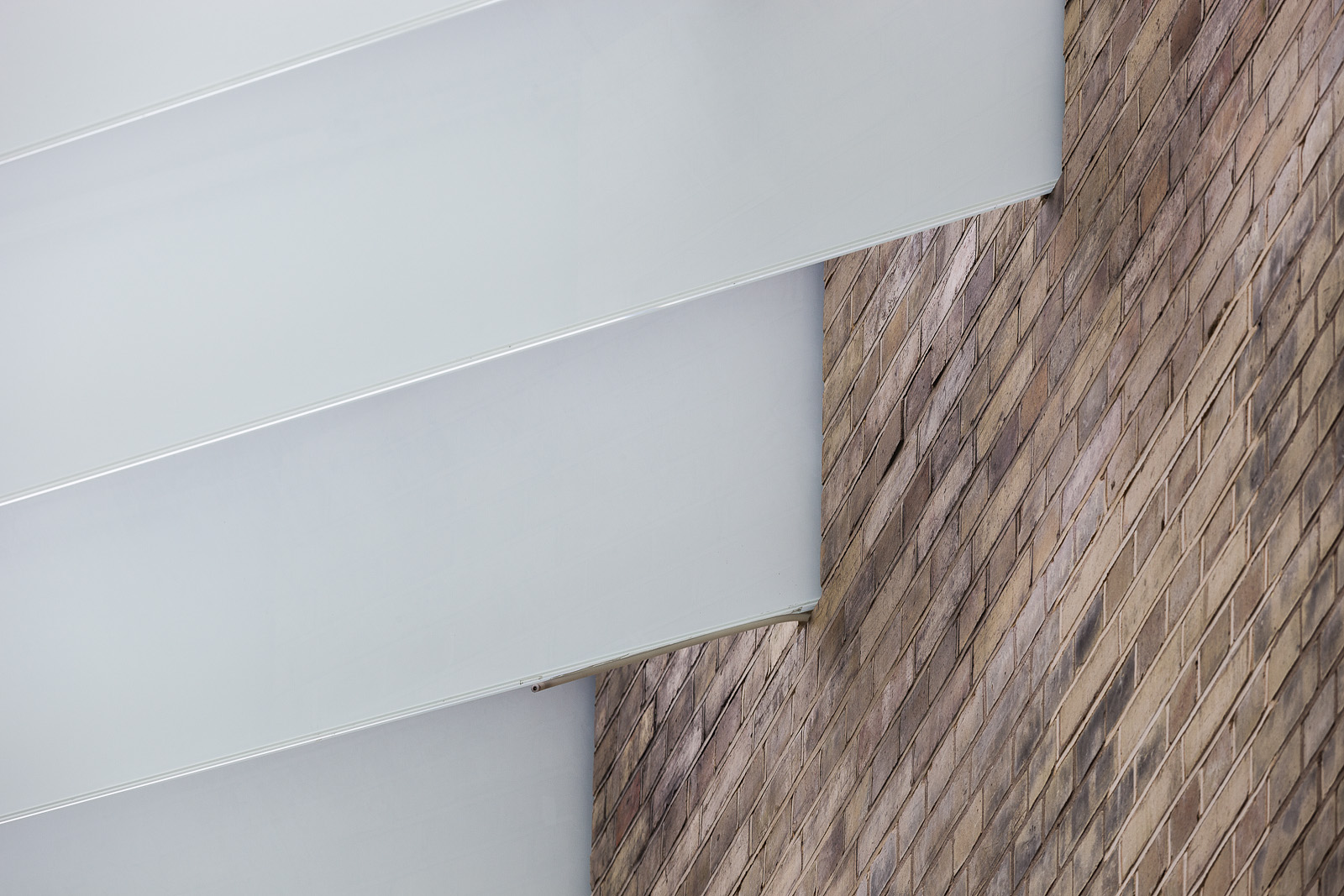
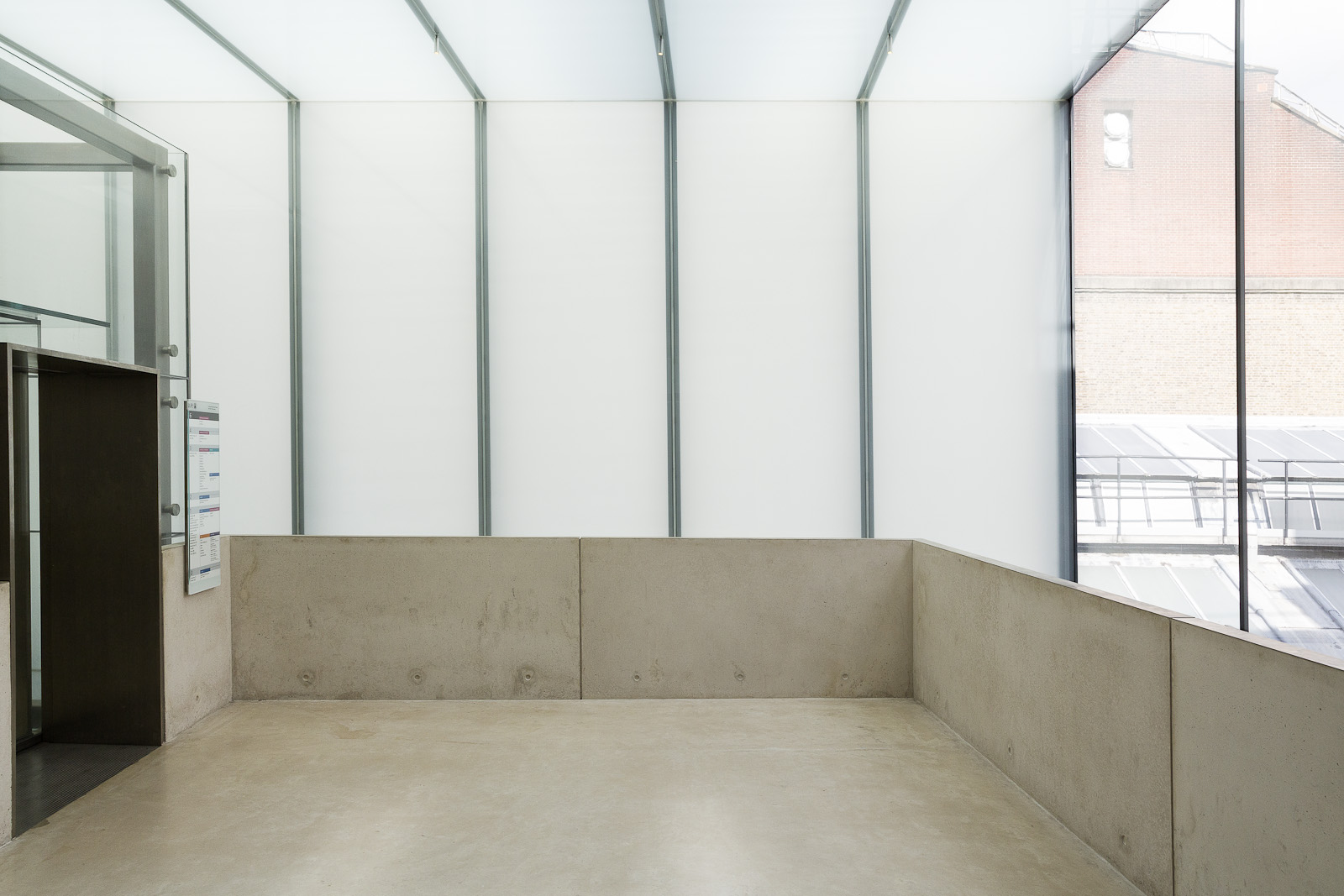
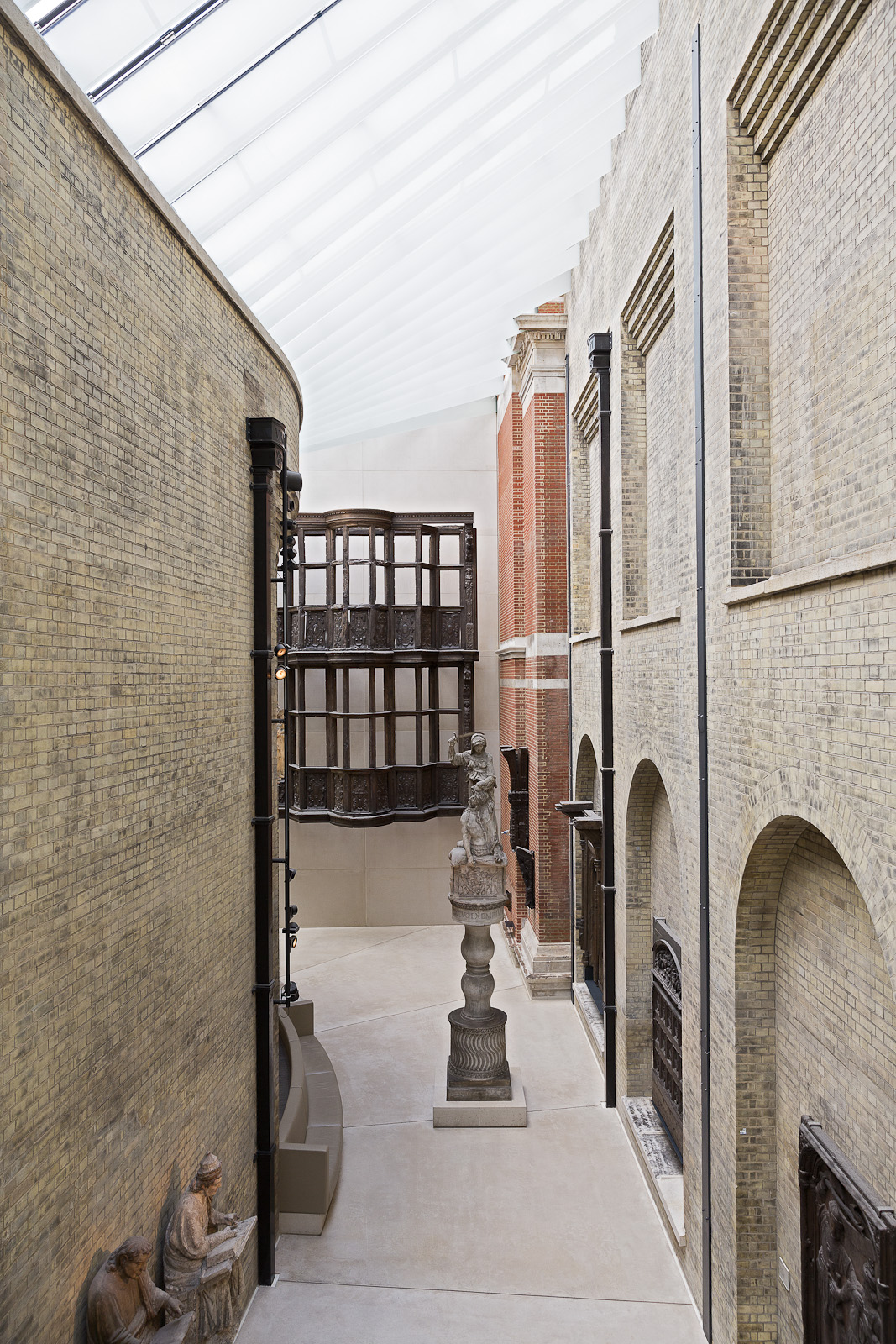
“The effect of the daylight changes the way in which visitors can relate to the objects on display.”
Lots of light and lots of shadow: the galleries before the conversion
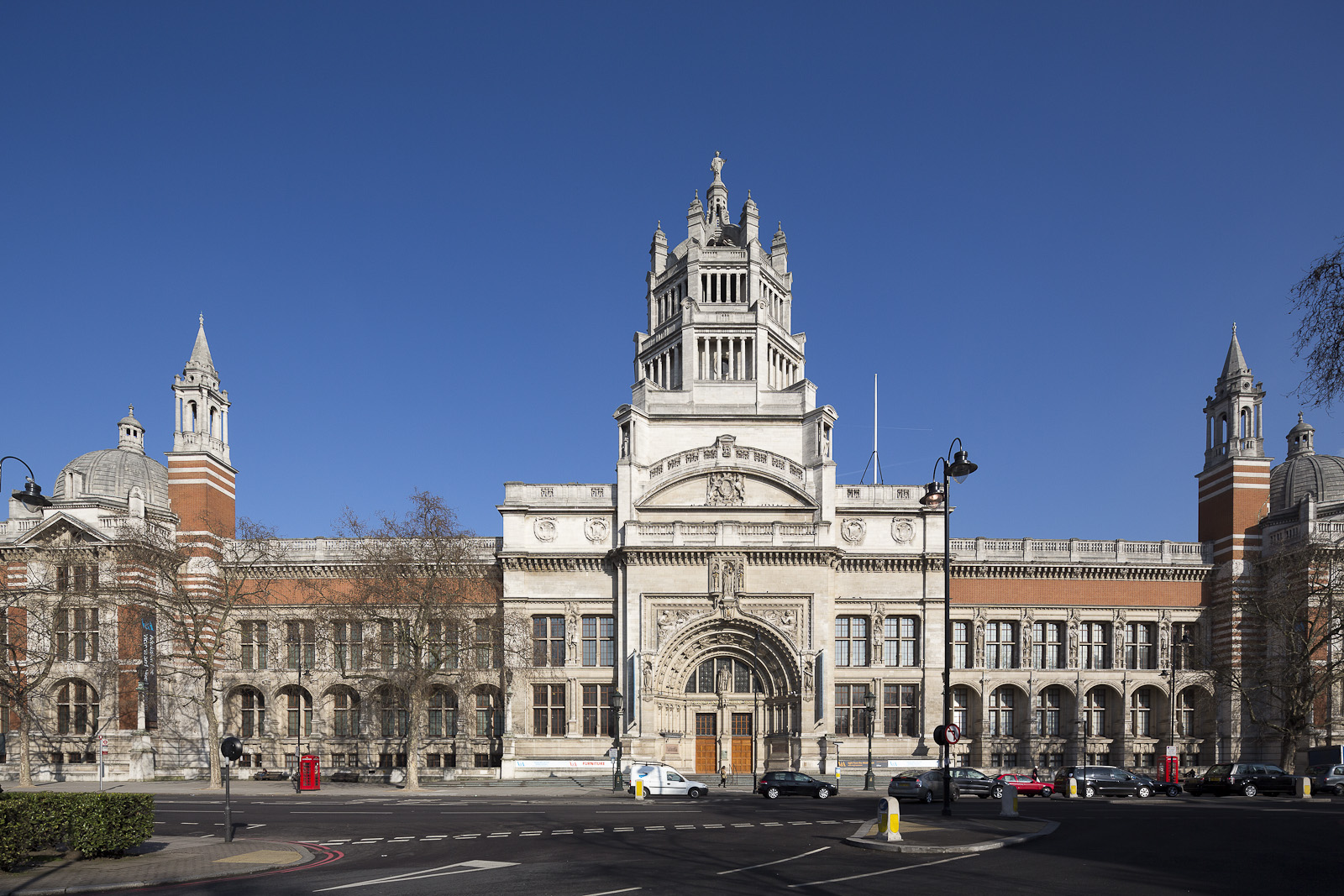
The Victoria and Albert Museum –then still known as South Kensington Museum – was founded soon after the London World Exhibition in 1851 as a publicly accessible treasure house of objects chosen to inspire designers and manufacturers. Erected between 1857 and 1909, the Museum building in the London district of South Kensington covers an area of around five hectares; with 4.5 million exhibits, it is still regarded as the world’s greatest museum of art and design. The final part of the museum, completed in 1909, is the south wing. Designed by Aston Webb, it features a 220-metre long street facade and a huge entrance rotunda, and is now home to the new Medieval & Renaissance Galleries. Their completion was a significant step in the V&A’s ongoing Future Plan to renovate their premises in order to meet the needs of a modern museum and its diverse audiences.
Aston Webb’s architectural design followed the tradition of the large museums of the 19th century: high, light-filled galleries in the neo-renaissance style, often with glass roofs and large windows. Although artificial light was already commonplace in the museums of his time (in 1858, the V&A even introduced the first late-night openings under gas light), it was not inexpensive; daylight in the museums was therefore considered to be essential. Not much of this spaciousness remained, however, when the London-based firm MUMA was given the job of designing the Medieval & Renaissance Galleries in 2003.
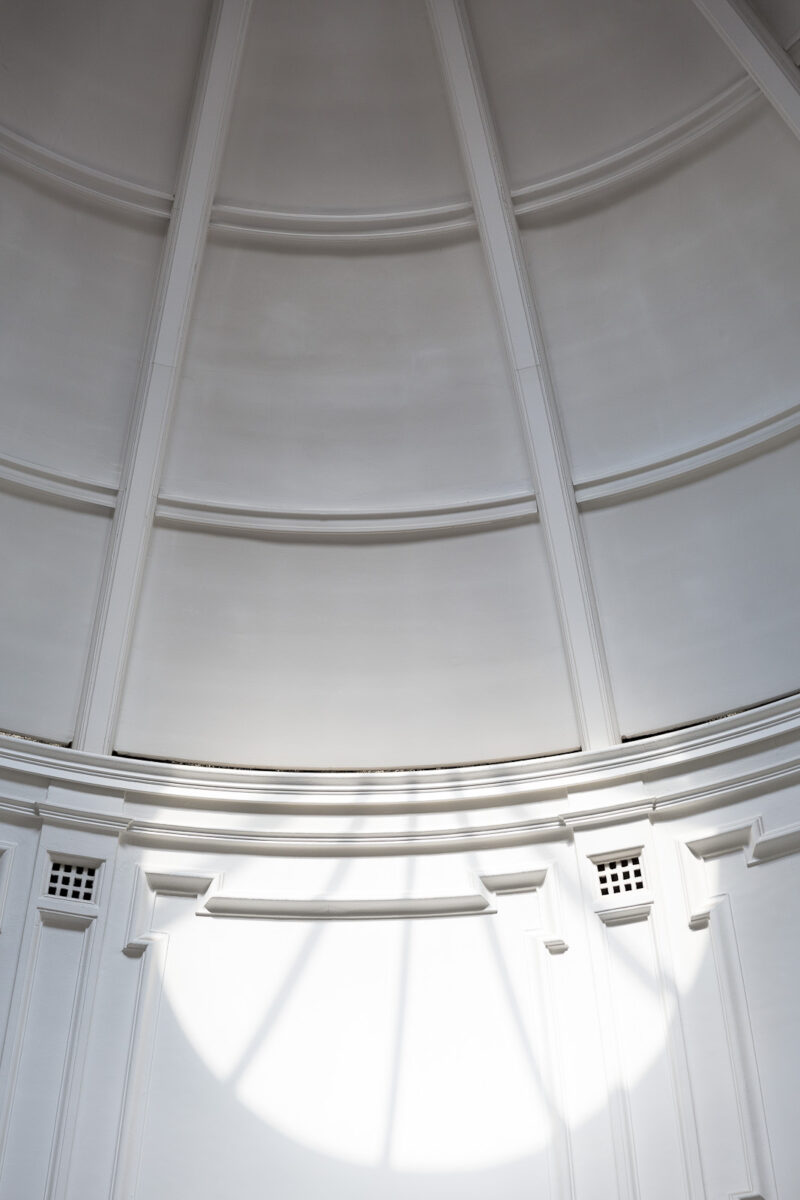
The eastern section of the lower ground floor had been partitioned, with a mezzanine level inserted to accommodate offices, and the windows in the areas used as gallery were blacked out. Similarly, the galleries on the raised ground floor were not fully devoted to displays, although originally designed to be so. Only Gallery 50 had retained its original size. A vast daylit hall, covered with glass roofs, it is separated into two areas by a rood-loft from the Netherlands, and terminates in a semi-circular apse in the east, which houses a Renaissance chapel. In these spaces, however, there was an excessive amount of uncontrolled daylight; without protection against the sun under the glass roof, the gallery was anything but ideal for the contemplation of art and completely unsuitable for the presentation of light-sensitive artefacts.
Experiencing the past in a new light: Interview with Peta Motture and Stuart McKnigh
Peta Motture, what were the intentions of the V&A eleven years ago when you set about redesigning your Medieval and Renaissance Galleries?
PM: The aim was to bring together the Museum’s outstanding European collections from the years 300 to 1600 and to make them accessible to the widest possible audience. At the same time, we wanted to remain true to the character of the Grade 1 listed building. The objects were to take pride of place, and we wanted to create a variety of pace and mood in the galleries and displays, and for visitors to be able to have a sense of discovery. This ambition is reflected in both the exhibition and the lighting design. Objects are placed so as to allow as much daylight to enter the galleries as possible, and to use the lighting to complement the narrative of the displays where appropriate. It was especially important for us that the lower level galleries, which house collections from the earlier periods, were as light as possible, as we were determined to overcome the still popular misconception revealed in our audience research of the ‘dark’ middle ages, which – in contrast to the Renaissance –were not associated with art.
The effect of the daylight changes the way in which visitors can relate to the objects on display. We want them to encounter the works directly so that they might resonate in their memory, and we have therefore also shown as many objects as possible on open display.
Stuart McKnight, how would you characterise the qualities of the Aston Webb galleries as they were originally designed?
SM:They were bright sidelit galleries with a rhythm of spatial sequence that had been designed in consideration of proportion and scale. Unfortunately the east wing was isolated for many visitors, which was a fundamental flaw in the original architecture.
Still, these galleries were very much different from what is commonly found in museum architecture today, where there can be a tendency to create generic ‘black box’ spaces that exclude daylight.
What were your main conceptual intentions when you started work on the galleries?
SM: Our competition submission already emphasised maximising the use of natural light. Furthermore, we wanted to recover spaces and use colour, tone and light levels in order to reinforce the original rhythm of Aston Webb’s architecture. In terms of the exhibition design, our goal was to minimise the method of display to maximise the impact of the objects themselves.
Peta, to what extent does your ambition of bringing more daylight into the galleries mean a return to the roots of your museum?
PM: You could say that we have been taking a step into the future while simultaneously recollecting our roots in the past. We are continuously working to improve on how we open up the collection and make it relevant to today’s audiences, while at the same time aiming to recapture the quality of the original 19th-century building. For example, in the lower level galleries (Galleries 8–10a), we removed the cladding from the previously blocked windows to let daylight in again, and opened up some behind-the-scenes spaces for display.
This transformation also had the benefit of regaining the spatial proportions that had been lost, and some rooms that were designed as galleries are now being used as such for the first time. Elsewhere, in Gallery 50, MUMA improved the effects for viewing by controlling the previously unmediated daylight from the roof with louvres, and by adjusting the lighting to work with the narrative outlined by the curators.
Peta Motture was chief curator of the Medieval & Renaissance Galleries Project at the Victoria and Albert Museum in London.
Stuart McKnight is a founder and partner of MUMA (McInnes Usher McKnight Architects), who were responsible for the design of the new Medieval & Renaissance Galleries.
Steve Walker is an Associate Director of Arup in London. As Arup’s design leader, he was responsible for daylighting design and M&E engineering in the new Medieval and Renaissance Galleries.
Francesco Anselmo is senior lighting designer at Arup. He was responsible for the computer-aided daylighting modelling and simulations.