The Daylight Award 2026 Connects Biodiversity and Architecture

Date
27 May 2026
Share
Copy
Marking the UNESCO International Day of Light, The Daylight Award announces its 2026 laureates, spanning scales from microscopic ecosystems to everyday architecture. Biologists Brittany N. Zepernick, Steven W. Wilhelm and R. Michael McKay are recognised for research into aquatic microorganisms with major implications for planetary health and biodiversity. Architects Momoyo Kaijima and Yoshiharu Tsukamoto of Atelier Bow-Wow are honoured for showing how daylight shapes shared spaces and daily life.
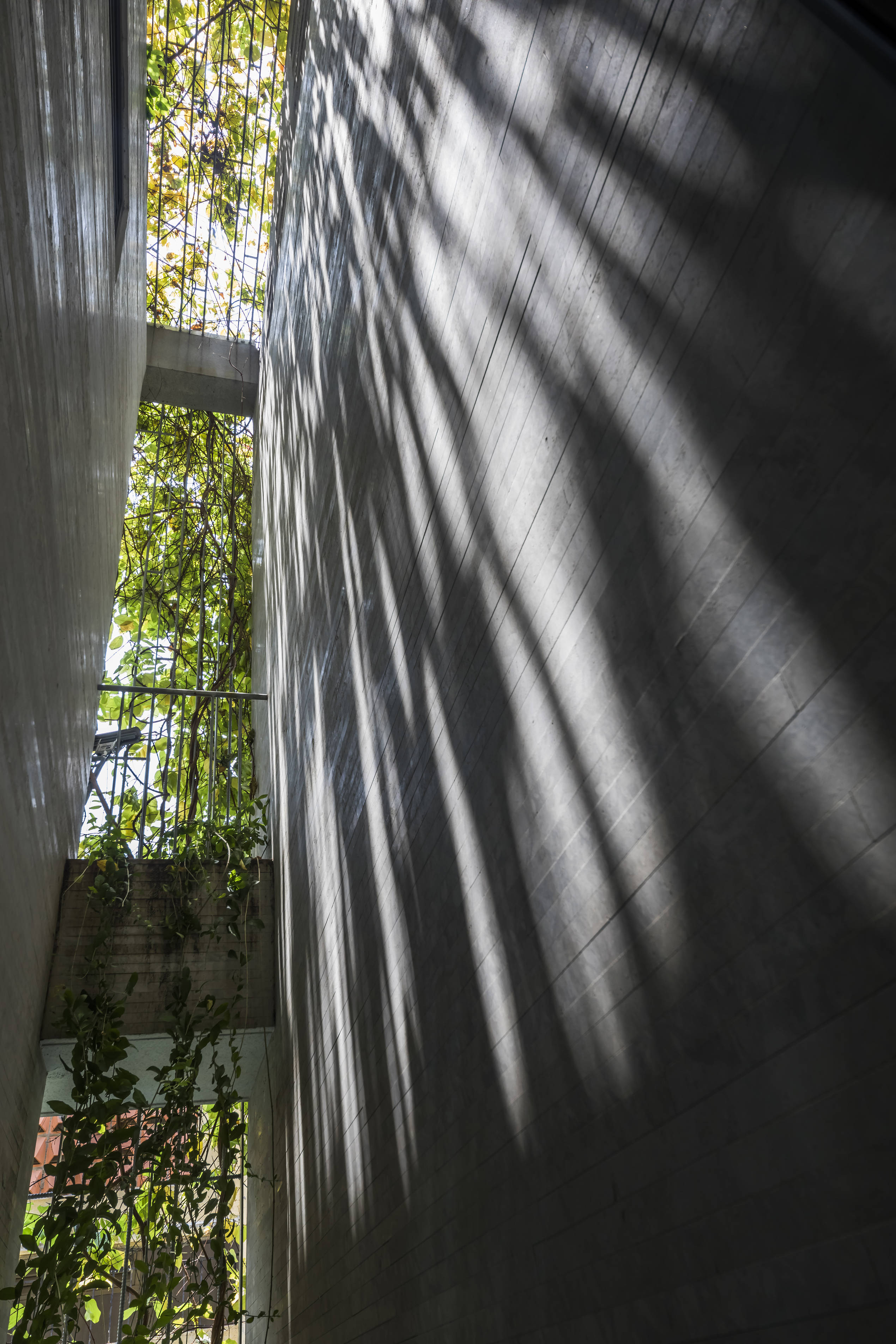
This year, The Daylight Award draws attention to daylight as a force that shapes life at very different scales. In the microscopic realm, in the waters of the Great Lakes and beyond, one prize shows how changing light conditions coincident with climate warming alters the lives of microscopic organisms that sustain our ecosystems. And in the macroscopic cities and buildings, the architectural prize shows how windows, reflections, shadow and shade become instruments that shape how people live together.
The 2026 laureates thus bring the perspectives on daylight into a shared story. Zepernick, Wilhelm and McKay reveal how daylight governs aquatic life, from the light beneath winter ice to the rhythms of microbes that follow the sun. Kaijima and Tsukamoto show how architecture can make light observable, inhabitable and social, even where space is narrow, resources are limited and the city presses close.
The two categories of The Daylight Award, scientific research and architectural design, both recognize the quality of daylight with the aim of directing knowledge, based on research at the highest level, to the benefit of architectural thinking and practice.
The Daylight Award for Daylight Research 2026: Invisible Life Shaping Ecosystems
The Daylight Award for Research 2026 is awarded to Brittany N. Zepernick, Steven W. Wilhelm and R. Michael McKay for their key insights into the role of daylight in photosynthetic algae in a changing climate.
Using daylight, photosynthetic algae sustain most life on Earth. Through photosynthesis, algae use sunlight, water and carbon dioxide to create chemical energy and release oxygen. They are fundamental to ecosystems, generating vast amounts of atmospheric oxygen, supporting aquatic food webs, controlling nutrient cycles, sequestering carbon dioxide, providing essential habitats and influencing water quality.
The research of Zepernick, Wilhelm and McKay makes a changing underwater light world visible. As climate change reduces ice cover across northern temperate lakes, wind and water movement can stir sediment and increase turbidity, limiting the daylight that reaches microscopic life within the water. What may appear to be a simple loss of winter ice is therefore also a loss of habitat. Using combined complementary skills, the researchers address how different communities of light harvesting algae adapt to exploit spectra of light that penetrate deeper in cold, turbid waters, the result of diminishing ice under current climate regimes. While this highlights ecosystem resiliency in the face of human-made change, it may also hold unexpected implications for food webs reliant on winter productivity.
The work of Zepernick, Wilhelm and McKay invites for broader public narratives about daylight. Winter is not a dormant season in the lake, microbes have daily rhythms and their work suggests more than one way to use daylight. Their efforts connect climate, water quality, public health and planetary life, from the smallest organisms to entire food webs. With large scale climatic changes already underway, their work also helps explain how these organisms may fare in a climatically altered tomorrow, with major implications for planetary health and biodiversity.




The Daylight Award for Daylight in Architecture 2026: Shaping How We Live
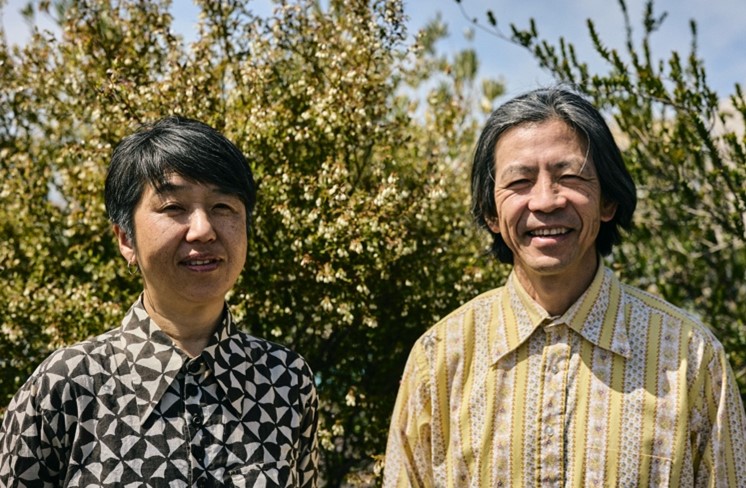
The Daylight Award for Architecture 2026 is awarded to Momoyo Kaijima and Yoshiharu Tsukamoto, founders of the architectural firm Atelier Bow-Wow, which they run together with their partner Yoichi Tamai.
The architect duo describes key themes in their work under the term Architectural Behaviorology. These include daylight and windows, the interplay of architecture and natural forces, and the interaction between buildings and people. In the work of Kaijima and Tsukamoto, natural light is not only an aesthetic feature. It is a research variable, a cultural signal and a social catalyst. Their architecture is not unlimited glass nor spectacular openness. It is the careful discovery of daylight under constraint. In dense cities, they show that good daylight may arrive indirectly, through reflection, borrowed sky, filtered eaves, narrow gaps, seasonal courtyards and windows that respond to their surroundings.
The work of Kaijima and Tsukamoto is not defined by imposing scale, elaborate detailing or an unmistakable design language. Rather, it is defined by empathy for the vernacular, attention to particular locations and specific tasks, commitment to existing structures, and inventive and skilful use of architectural means. The essential factor is the use of buildings, their vital relationship with daylight and weather, and their connection with inhabitants.
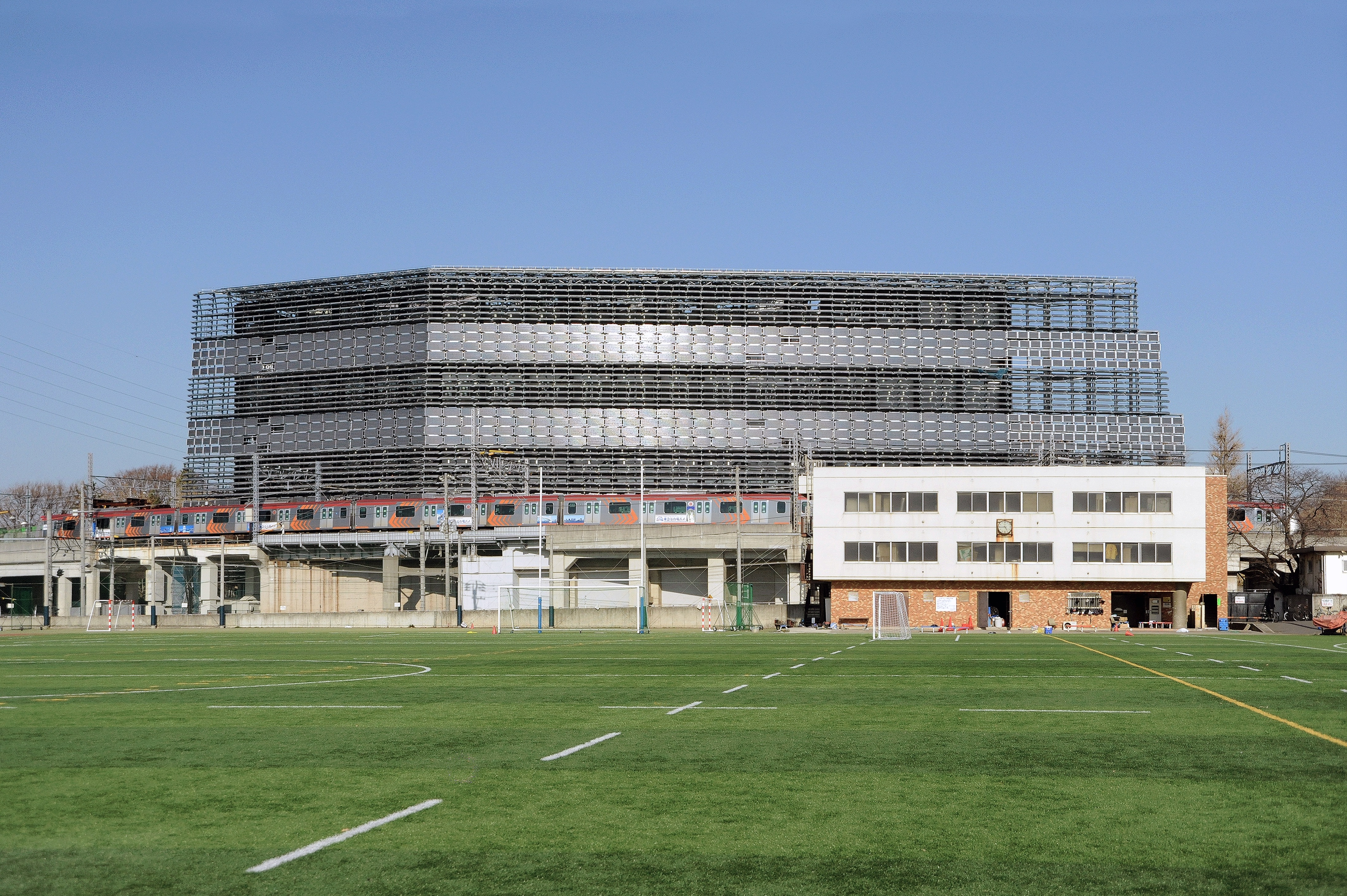
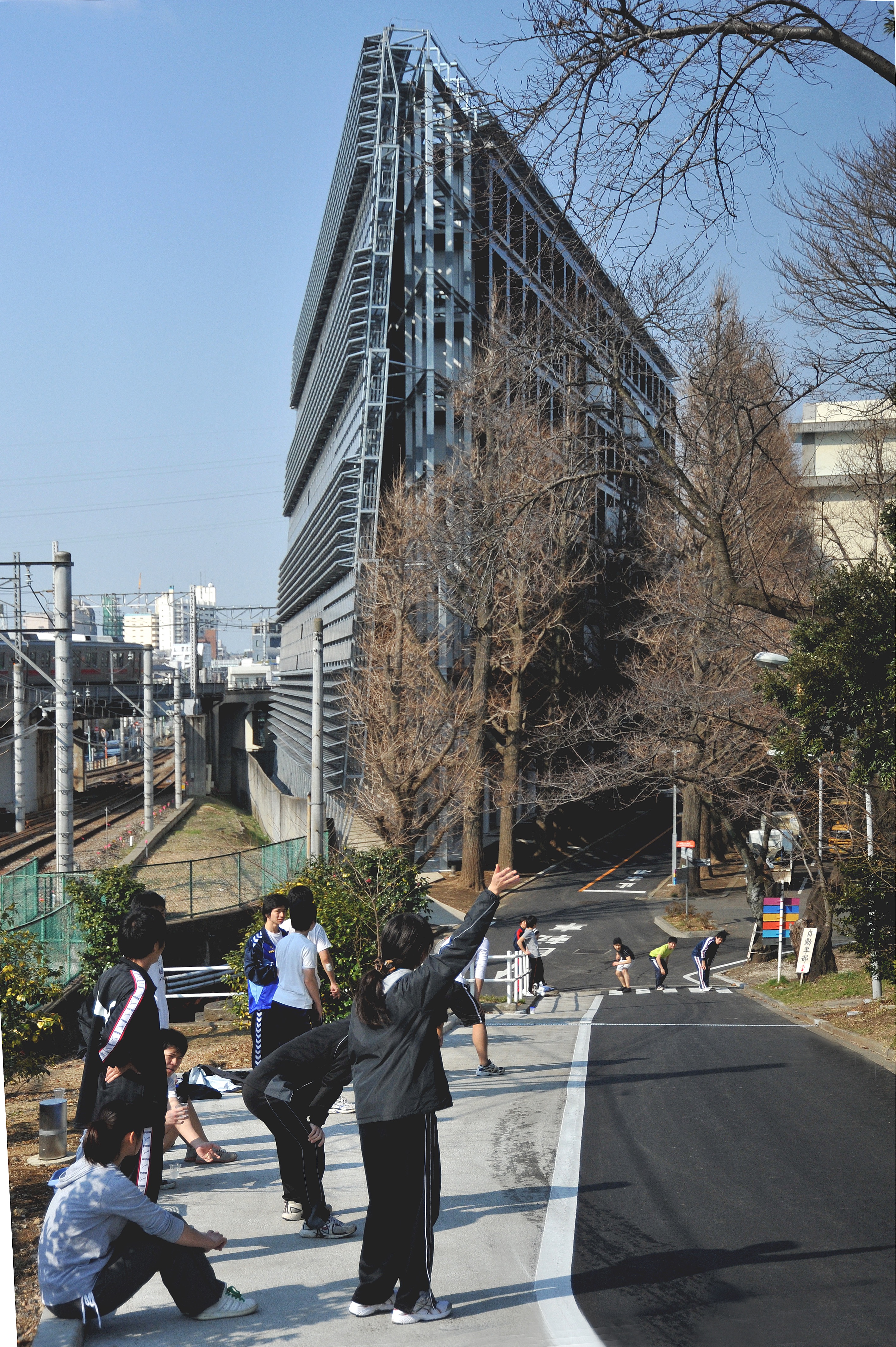
The projects of Kaijima and Tsukamoto, carried out with Atelier Bow-Wow since 1992, include medium sized and smaller buildings for everyday use, among them residential buildings, offices, kindergartens, gallery spaces, research buildings, workshops and ad hoc architecture. Their innovative, thoughtful and highly varied work is often articulated through an inventive integration of daylight as a defining architectural element.


About the Daylight Award
The Daylight Award honours and supports research in the scientific understanding of daylight and its significance for health, wellbeing and a balanced ecosystem, as well as its experiential and mental value in architectural design. The intention is to underline the collaboration of disciplines that are usually considered as separate professional realms of expertise. The Daylight Award strives to raise an integrated understanding of daylight in human life and the wider ecosystem, and to strengthen its positive impact.
The Daylight Award is presented by the Daylight Academy (DLA), an international membership organization that brings together scientists from all backgrounds, as well as architects, engineers and other professionals who are involved in daylight research or have a strong interest in daylight related topics.
Find out more at https://thedaylightaward.com/