2018 - Reaching the light

Category
Daylight in Buildings - Region 1: Western Europe
Students
Joana Robalo & João Umbelino
Teacher
Ana Ázar
School
Universidade de Évora
Country
Portugal
Download
Download project board
The Alentejo is the center-south region of Portugal, very characterized by its agricultural landscapes and its very unstable climate: cold in winter and excessive heat in summer. This context has shaped a particular and mainly dense architecture. Thick walls, confined spaces and low light are some solutions that have come up to try to control the temperature inside the houses.
However, with the growth and modernization of cities of the Alentejo, specially in its capital Évora, the habits have changed and many elements of this architecture were losing their function, like the Alentejo chimney.
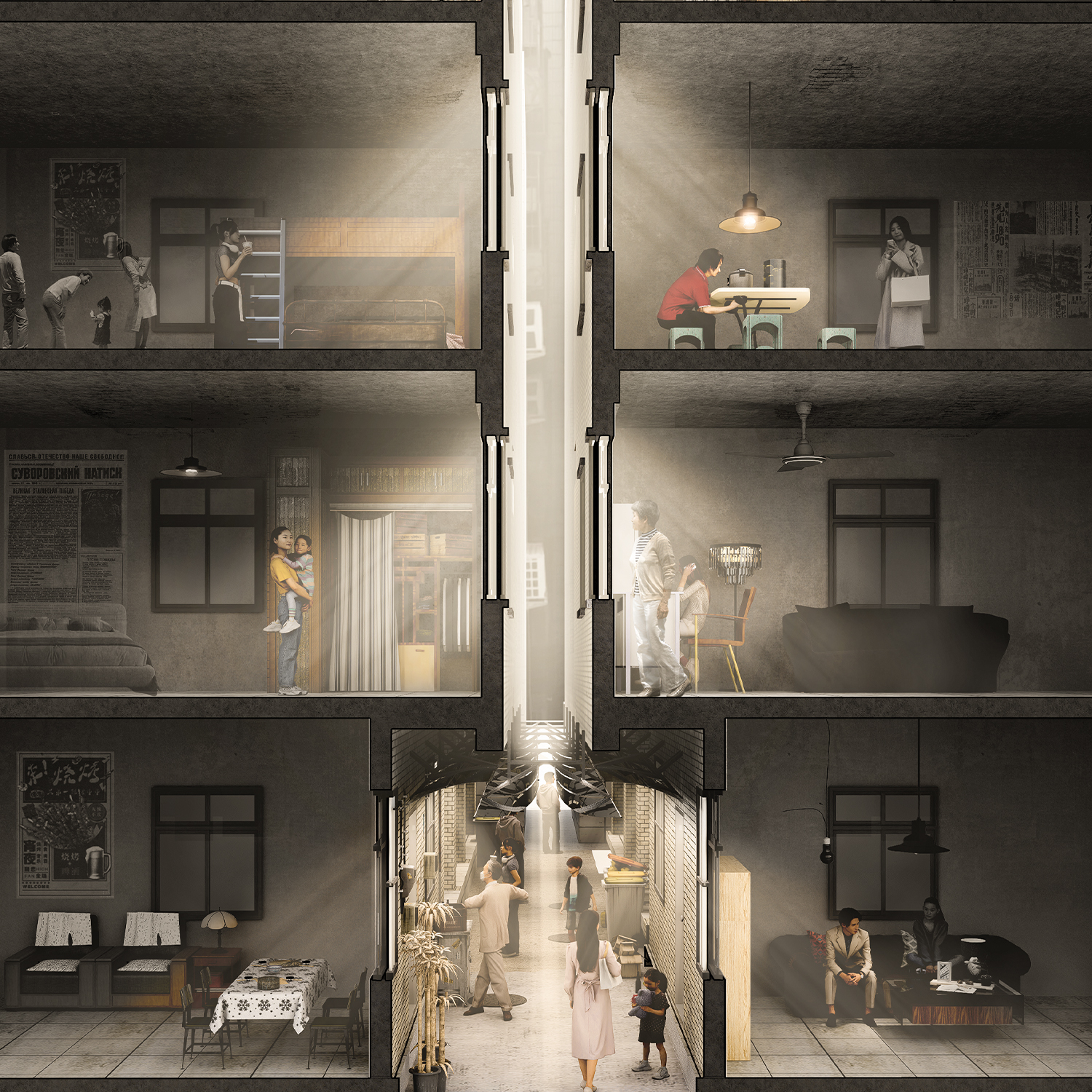
This element, which previously resolved the ventilation and exhaust fumes, is now unused in most houses in Évora. The chimneys are “blocked”, and the interior spaces have little ventilation and light, triggering problems like humidity. Nowadays, many people who live in these houses use artificial light during the day because of the lack of natural light.
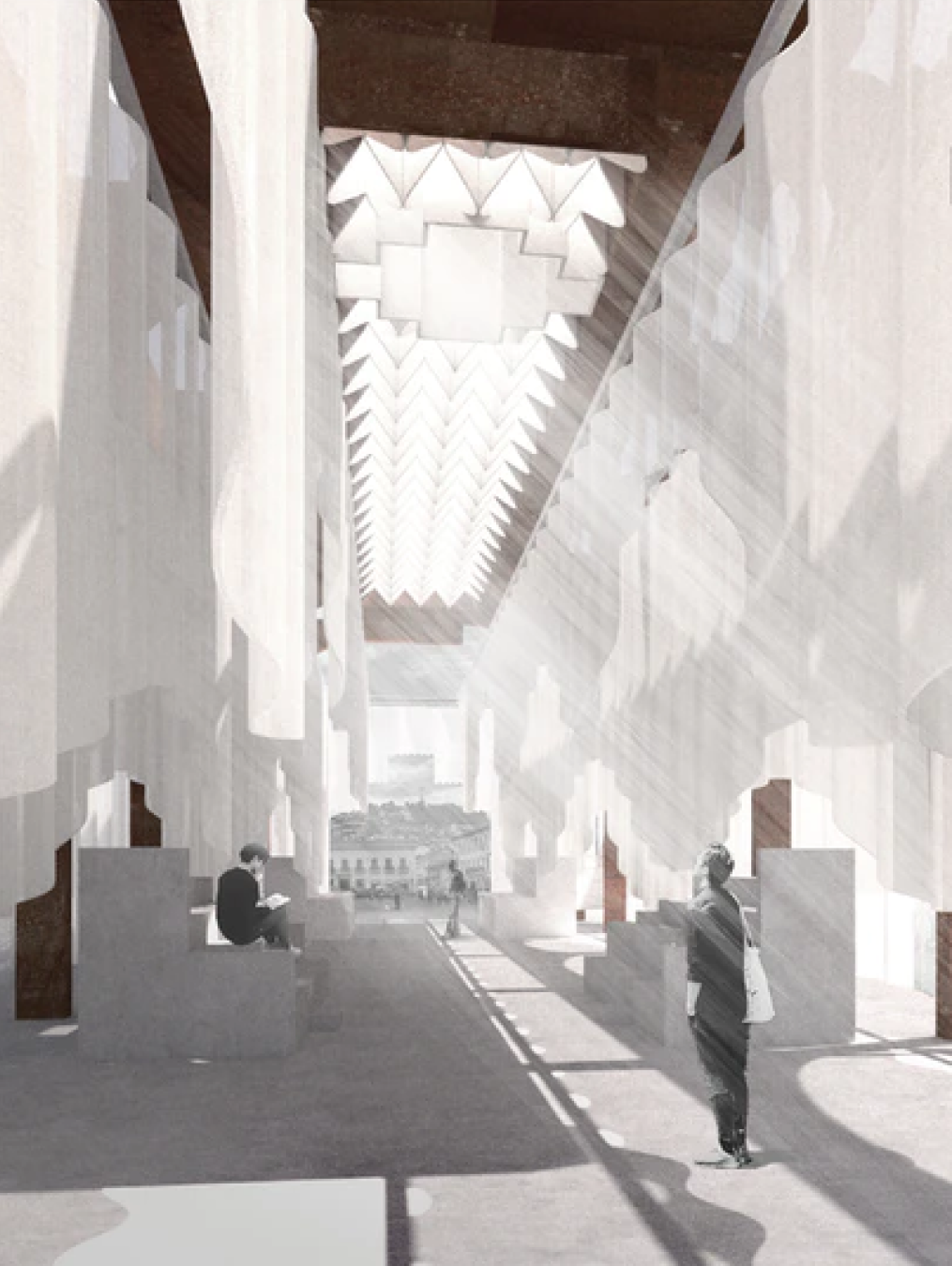
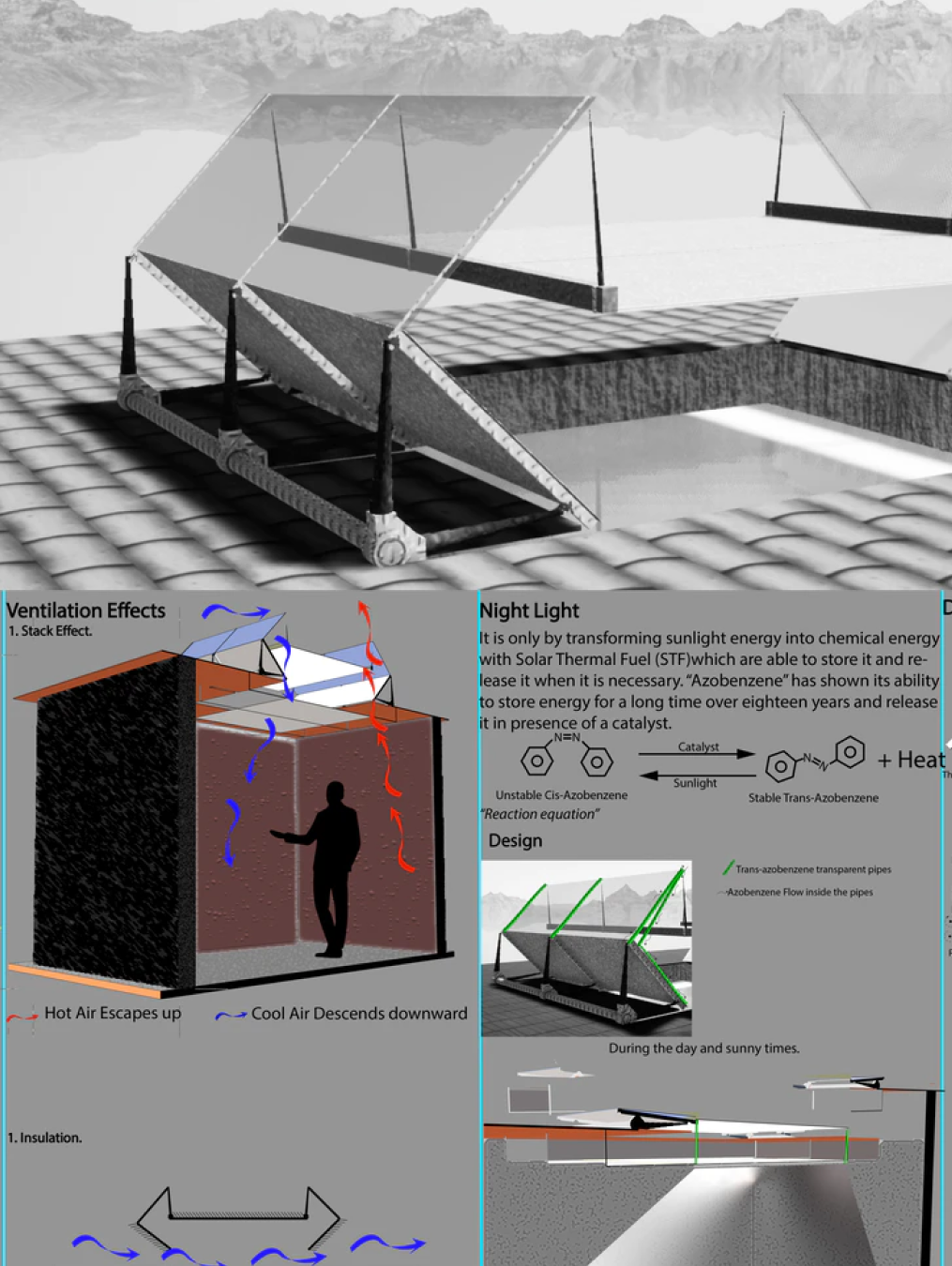
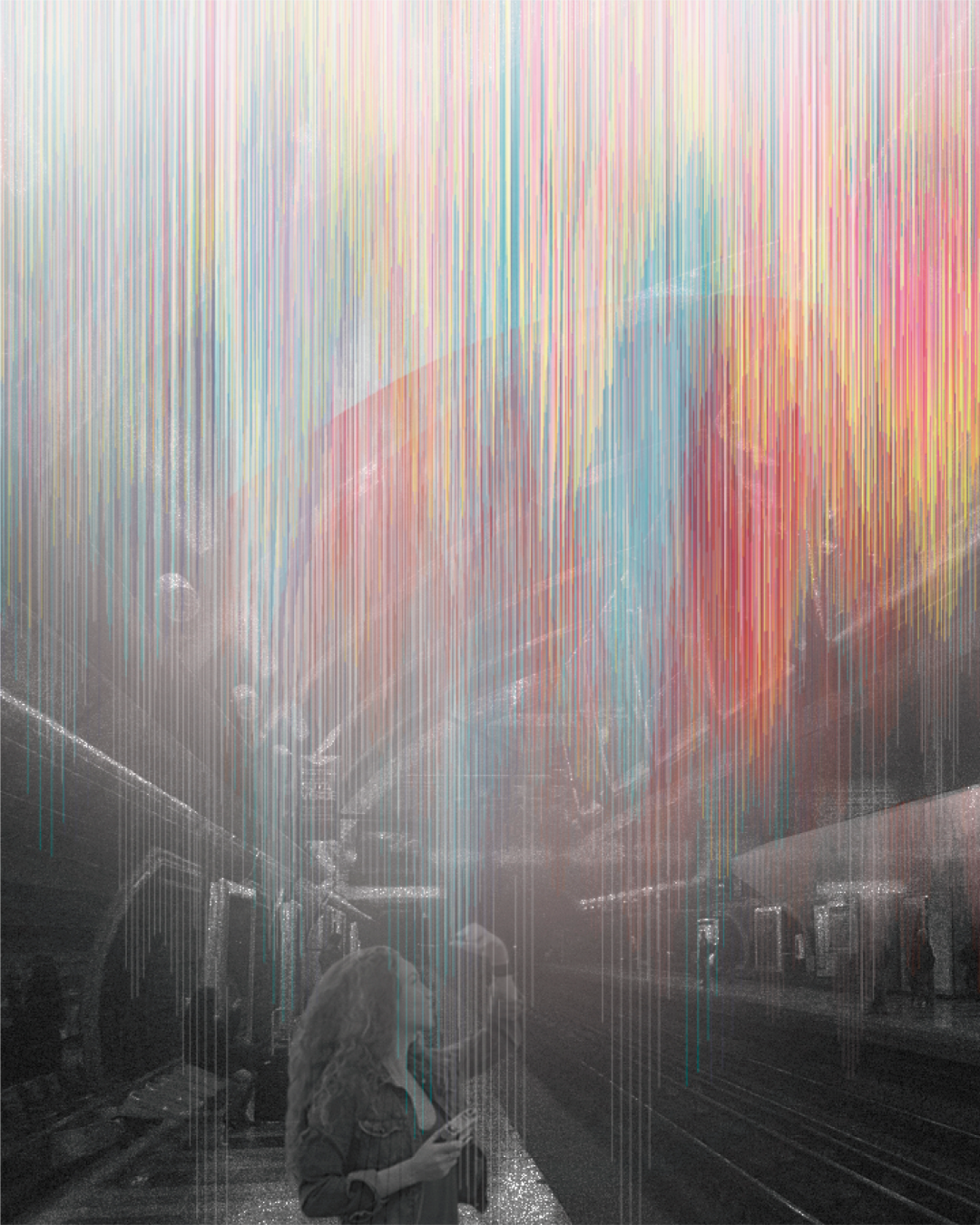
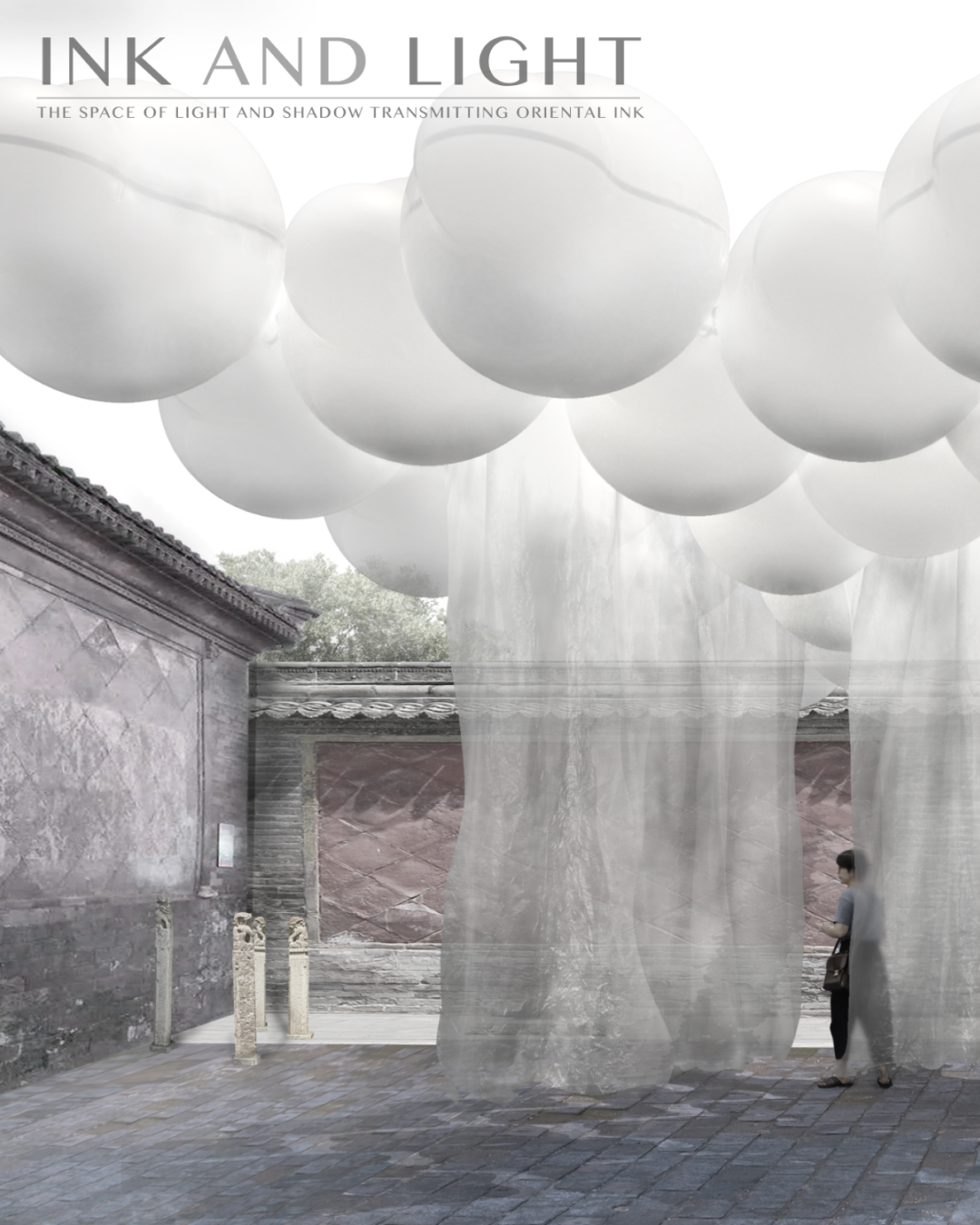
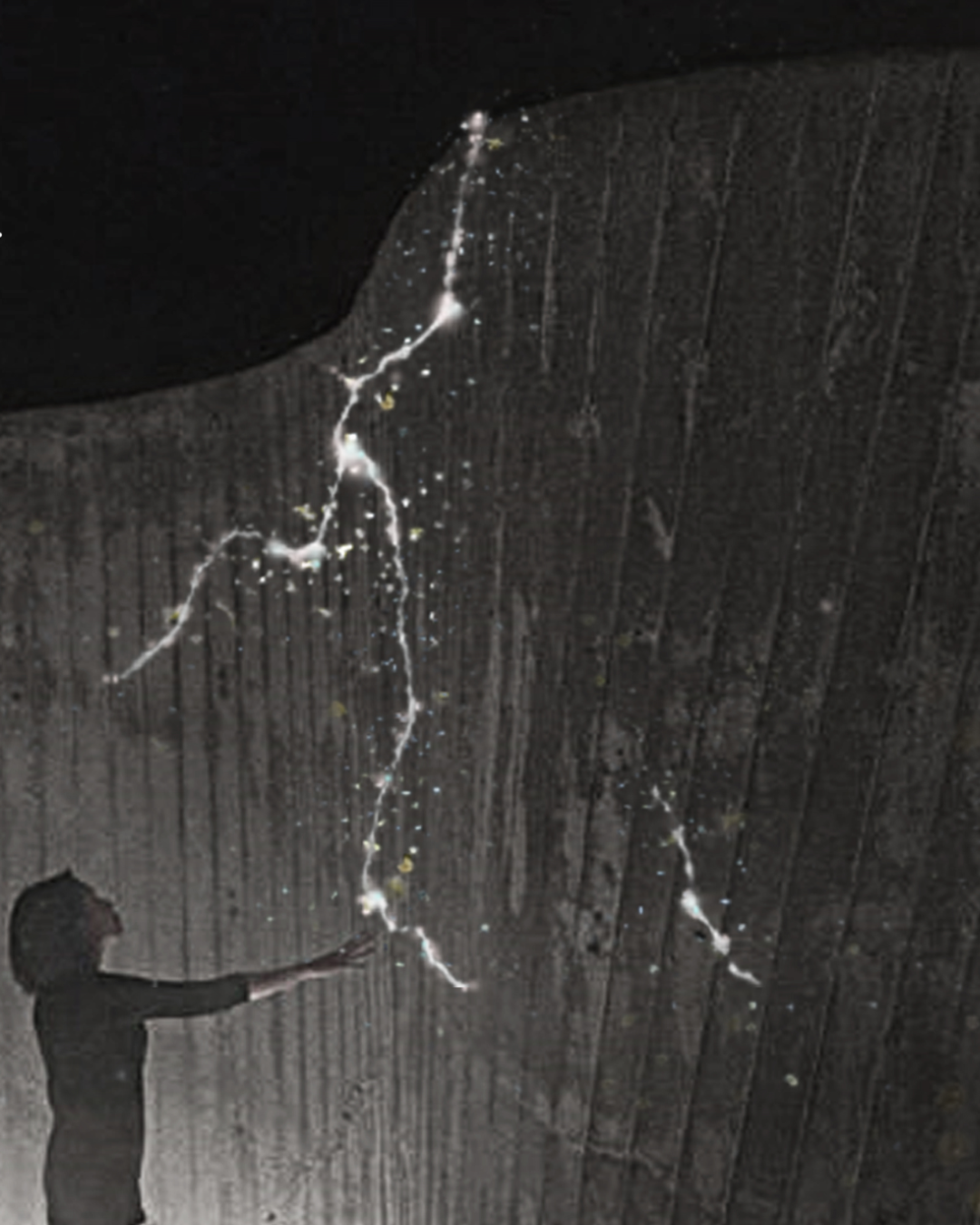
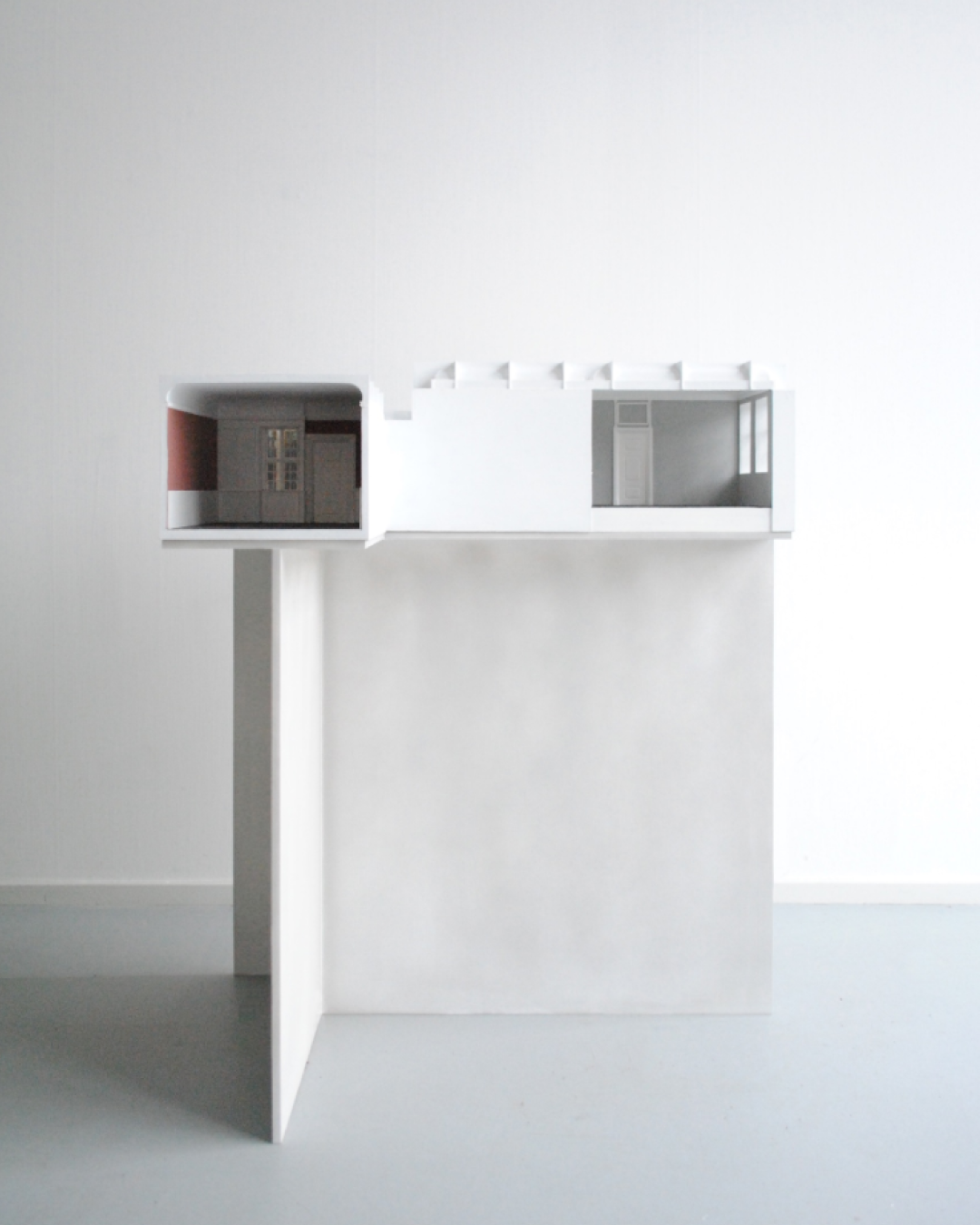
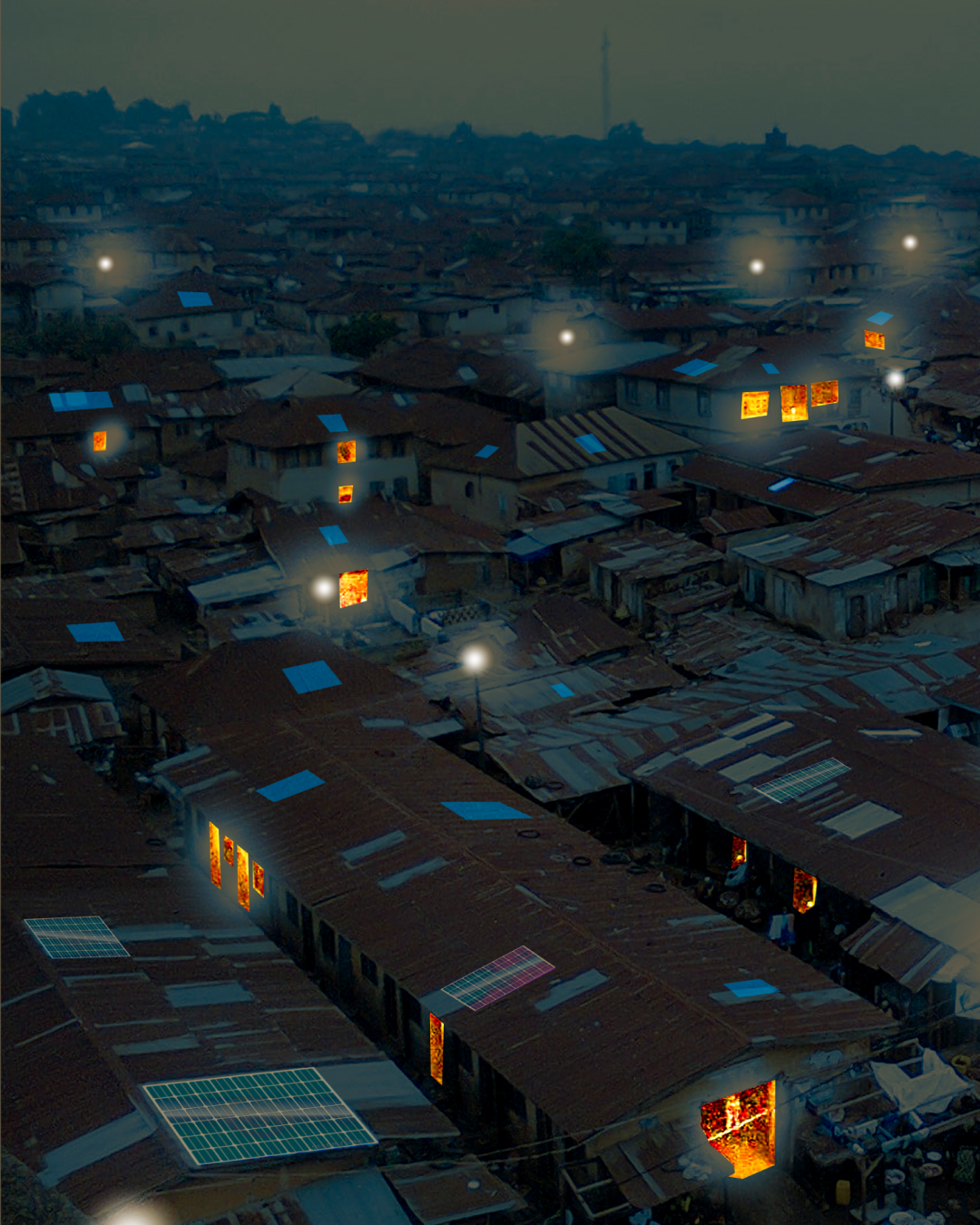
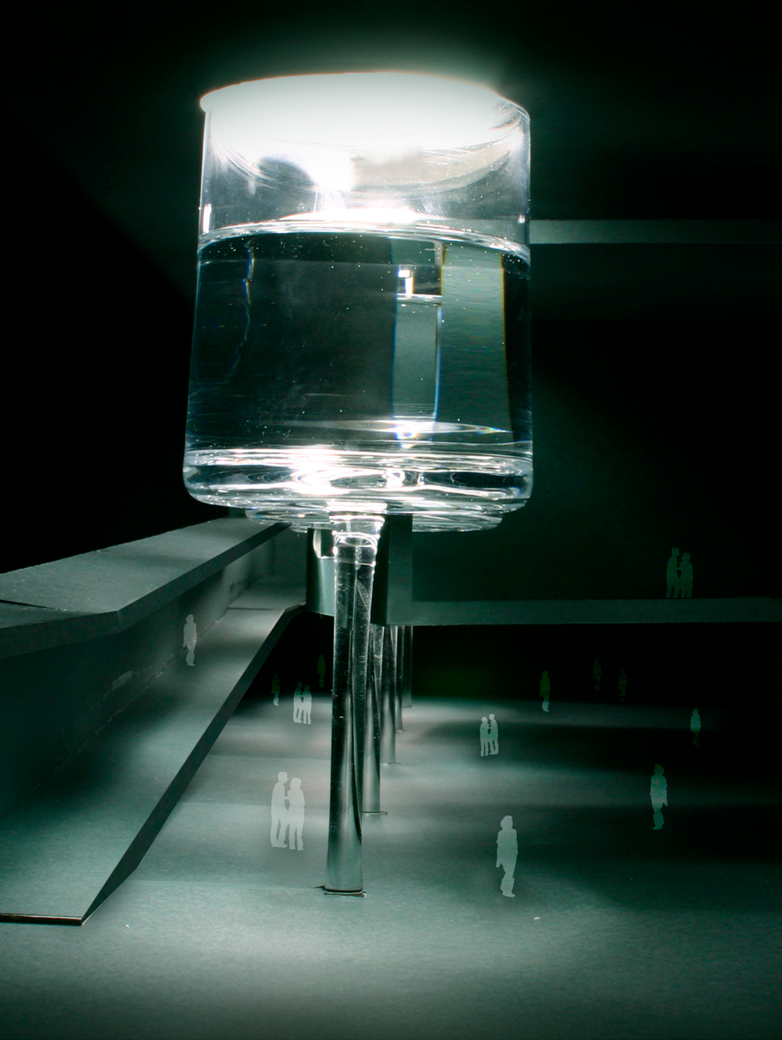
To bring more natural light and quality to these spaces, we propose to open the chimneys and give them a new use: light channels. Its interior will be coated with a reflective material, which will channel light into the interior and improve air circulation. Reflected light is better in Alentejo houses, why do not they warm the interior of the houses in summer, as opposed to direct light.
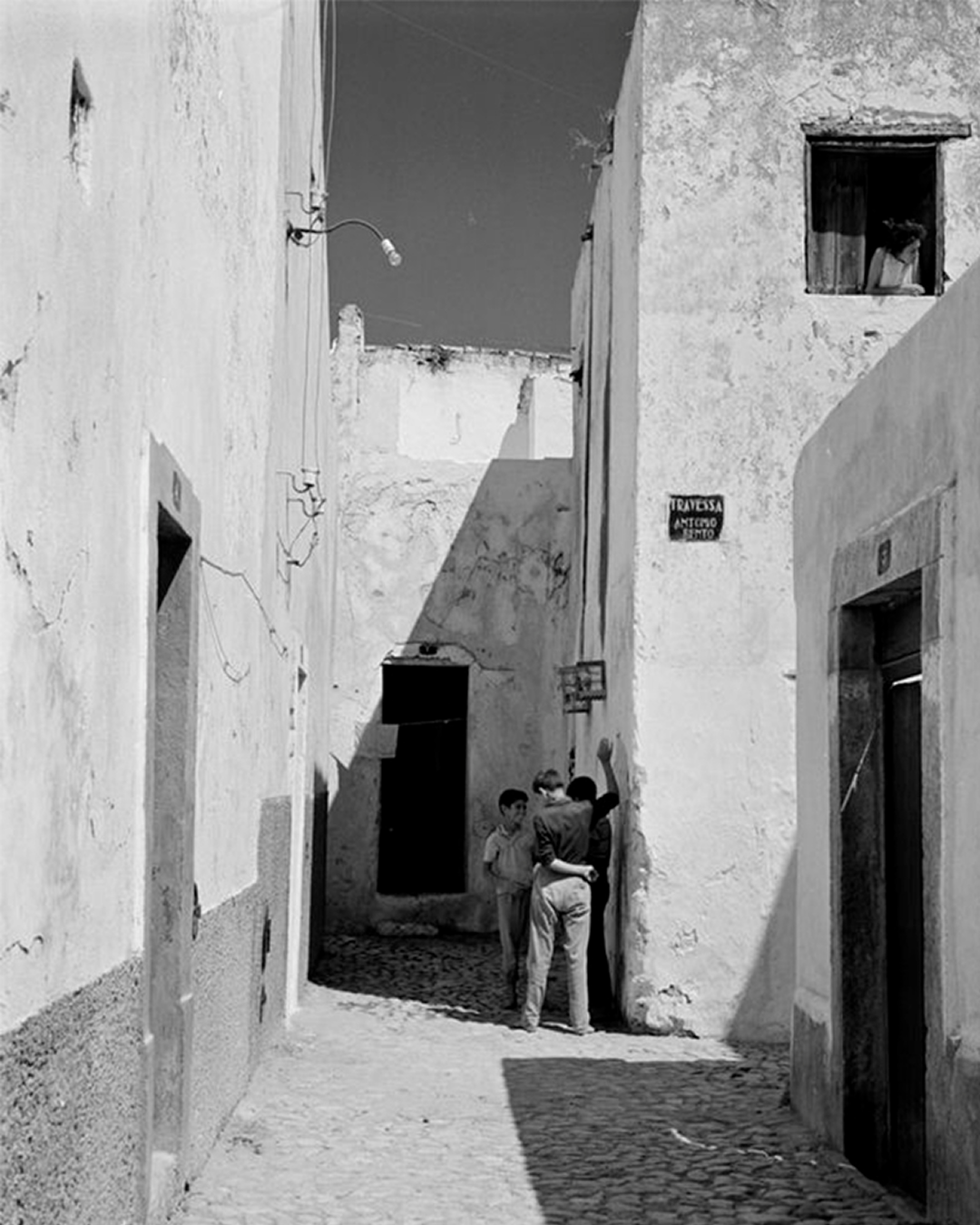
Alentejo has a different light. The great Portuguese photographer Artur Pastor, on a visit to Évora, claims to be a vibrant light. “There was an elusive light playing in the house, and a violet tone he had never seen before gave the city an aspect of a strange and religious painting, which the immense silence was filled with pain and longing. It was a sad but delicious light. Afterwards, it had rained, the secular stones were filled with small droplets that gleamed, and from the distant land, this sepia land of the Alentejo, came the disturbing aroma of moisture. ”
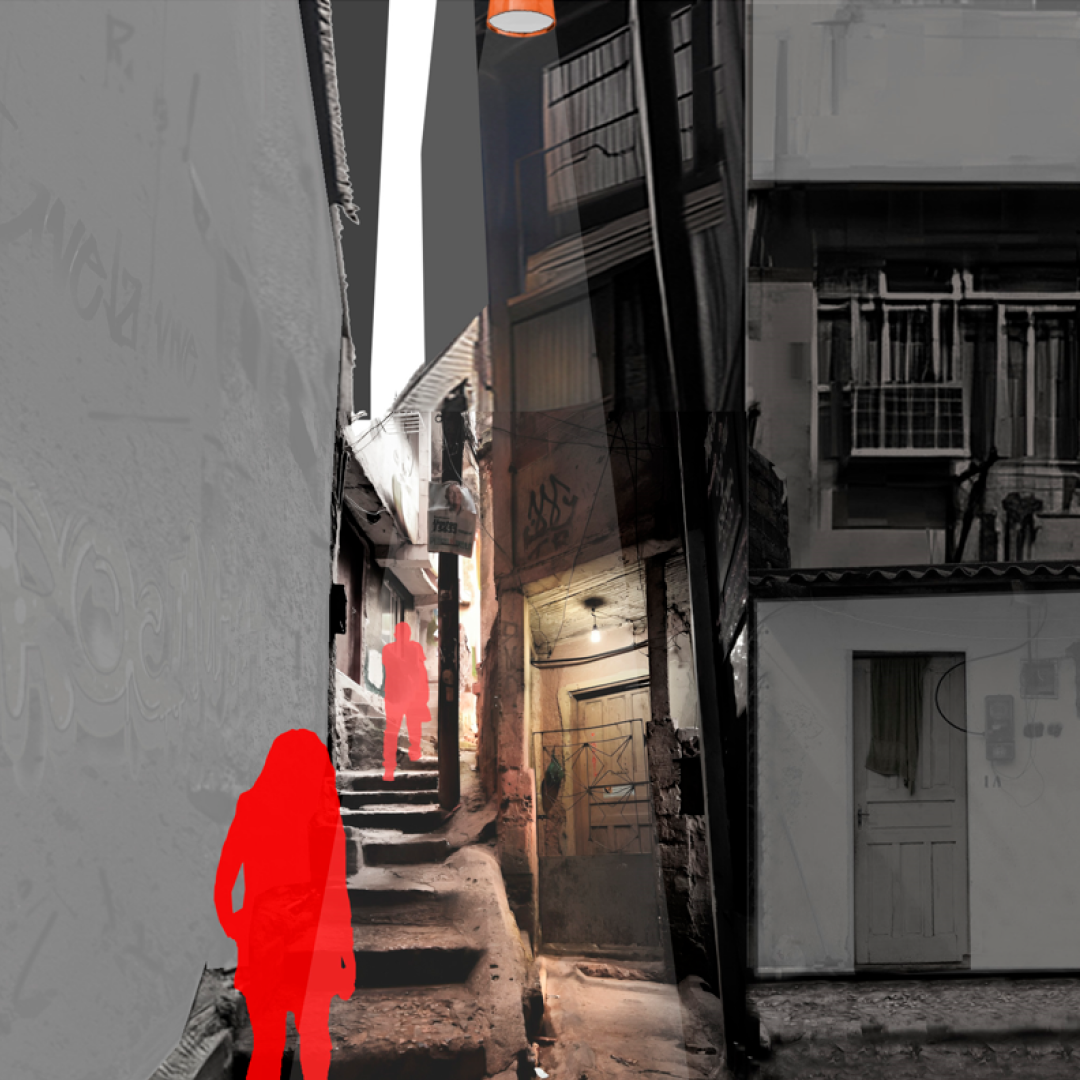
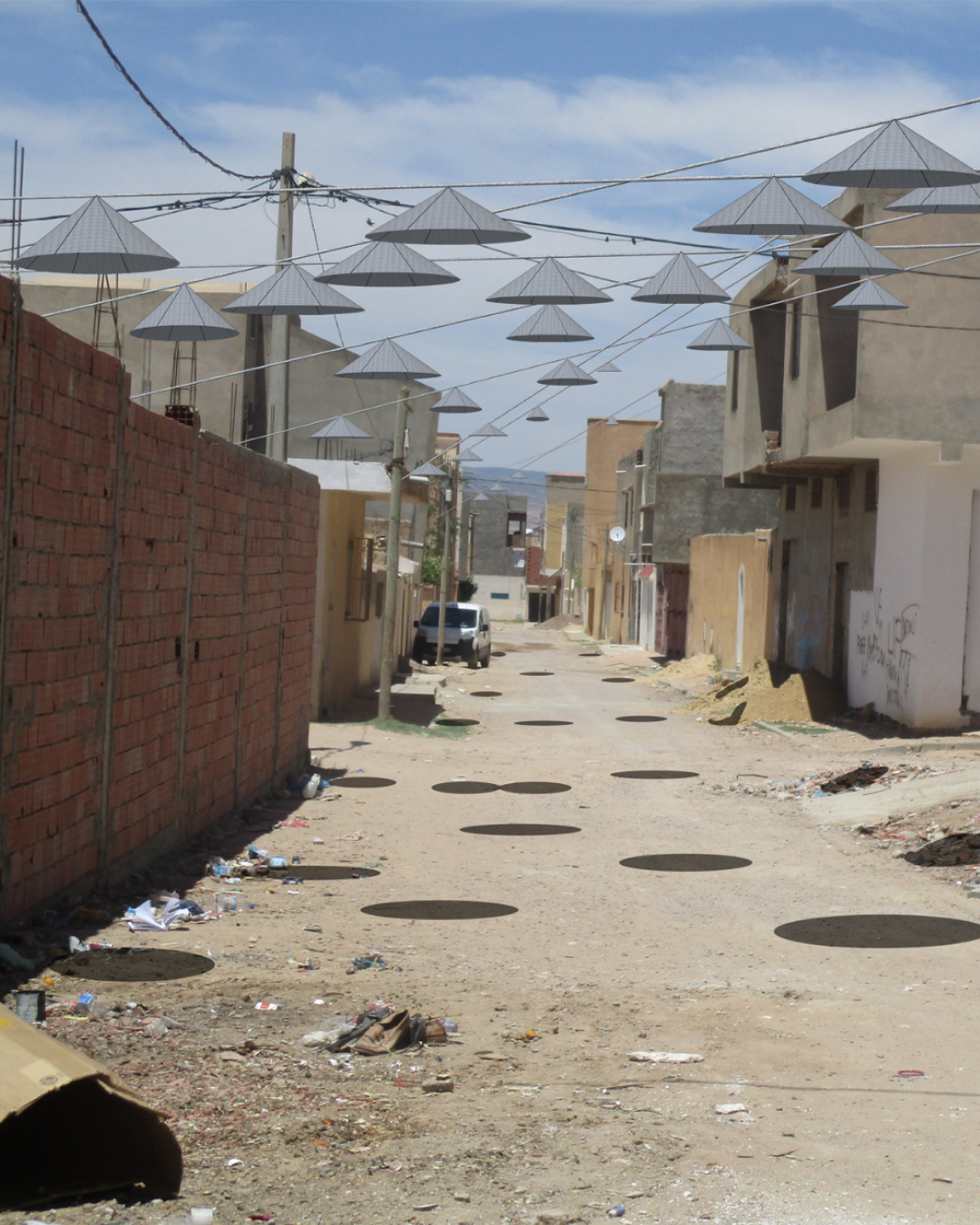
Most windows in Évora do not catch light, either because they are facing north or because the streets are so narrow that buildings shade the other houses ahead, especially in winter when the sun is lower.