2026 - Honourable Mention - Thresholds of Light
Category
Honourable Mention: Revealing Absence - Western Europe
Students
Nassereddine Chaib
Teacher
Mohamed Lamrabet
School
National School of Architecture
Country
Morocco
Download
Project ↓
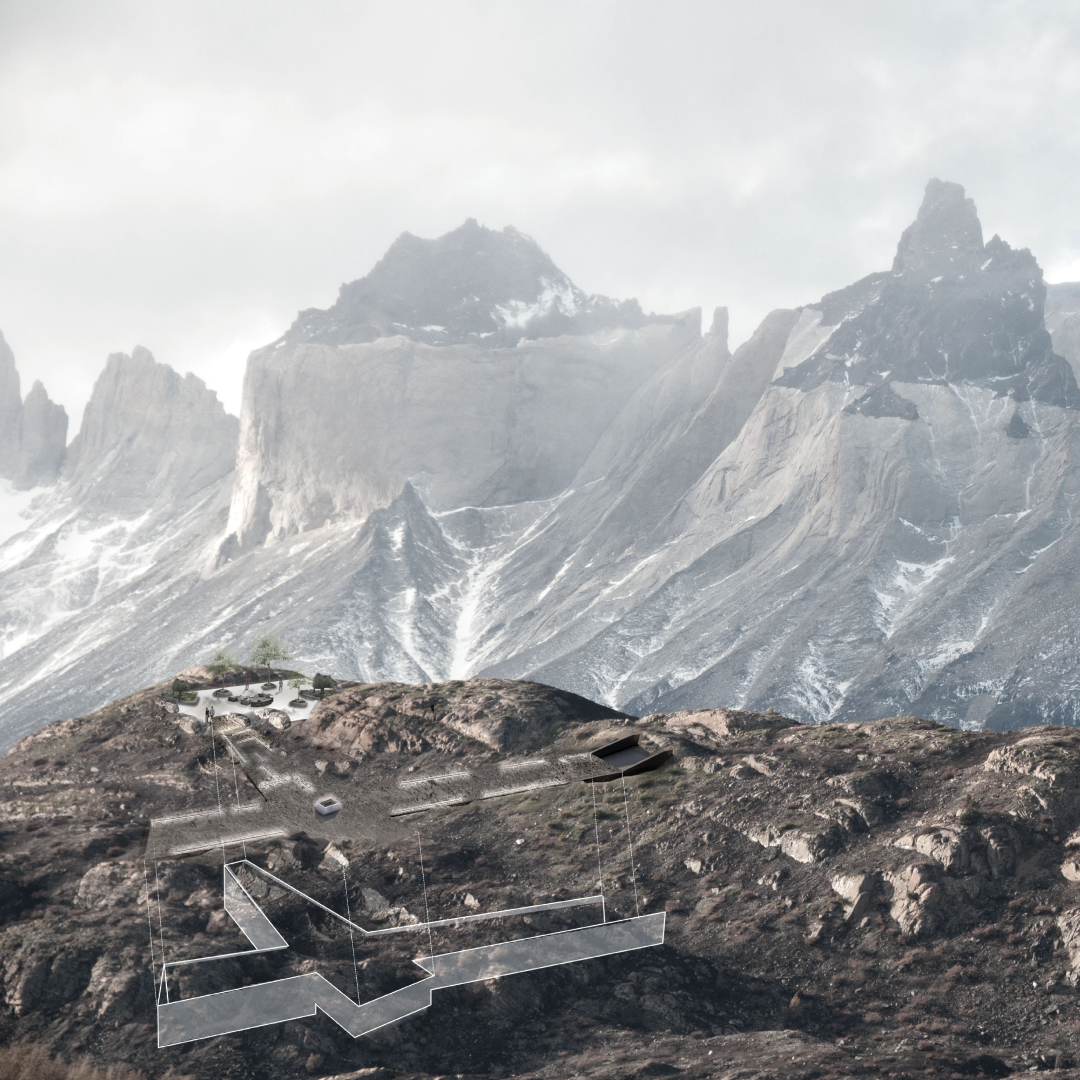
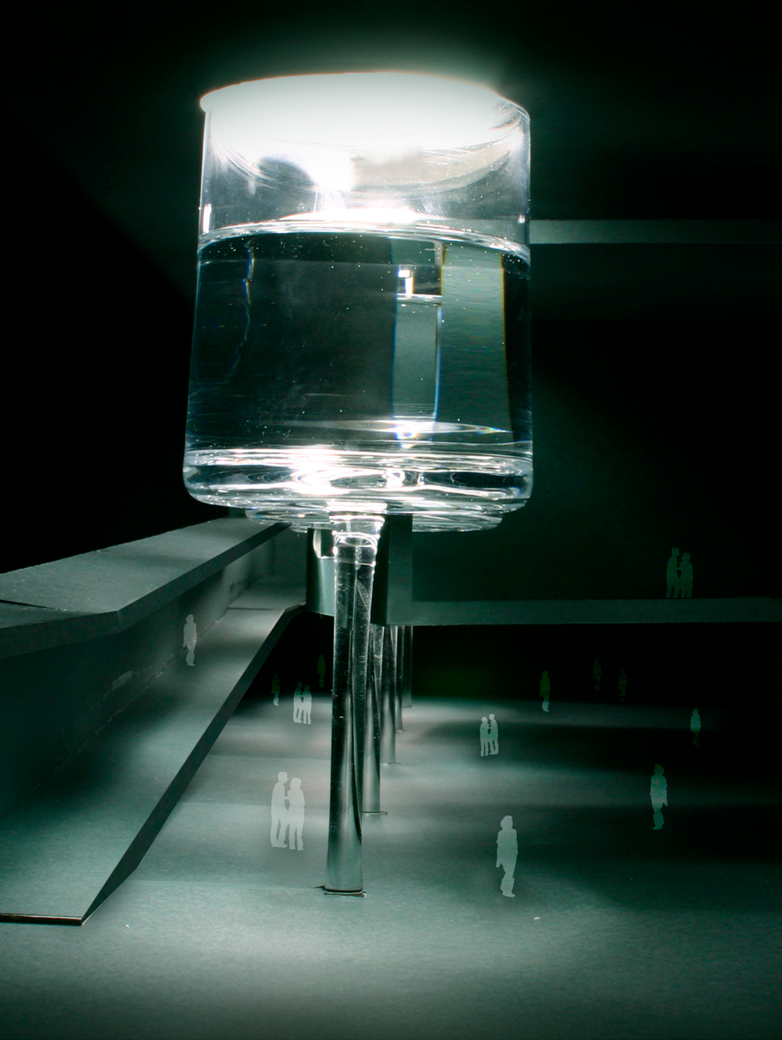
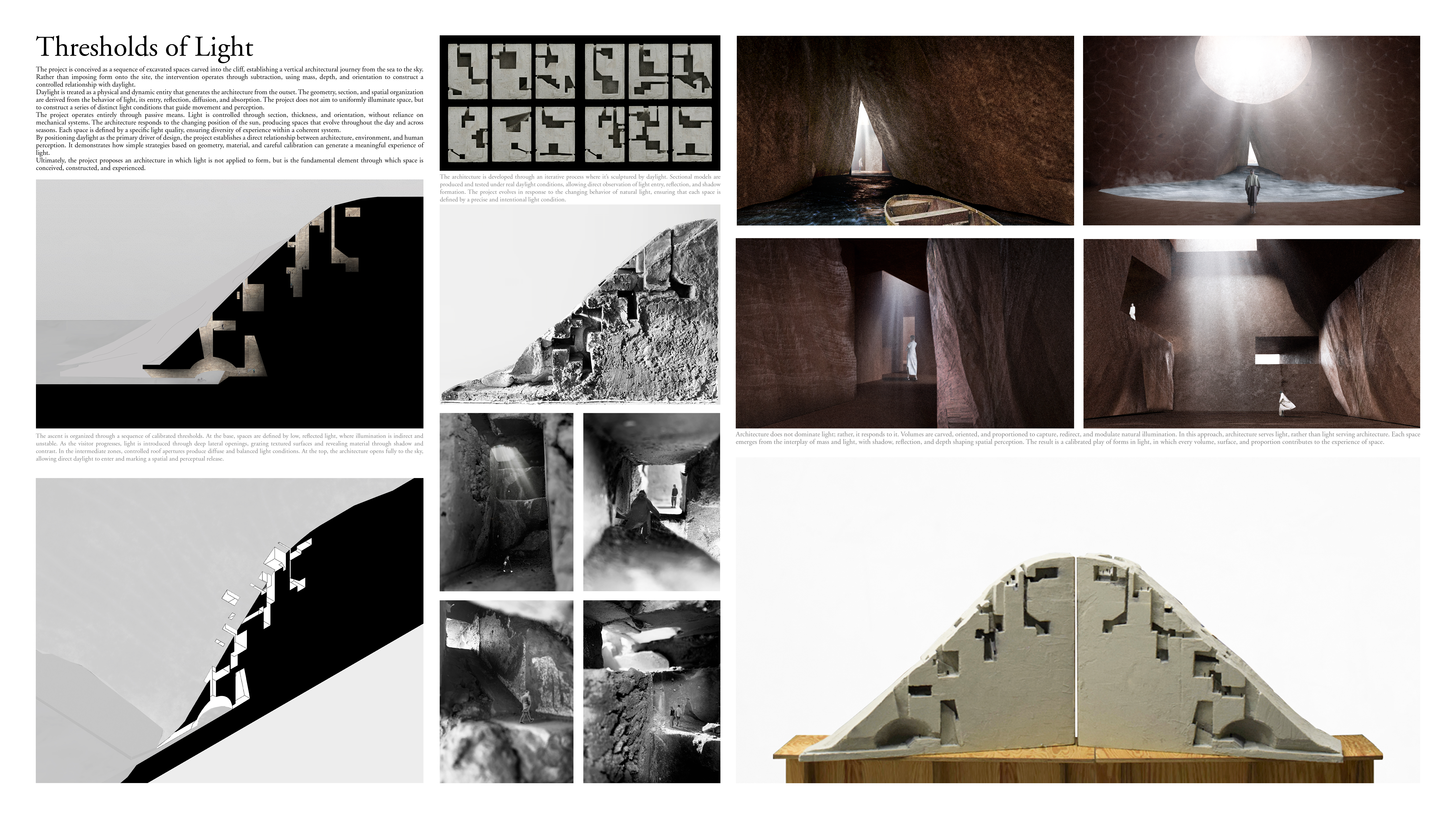
The project is conceived as a sequence of excavated spaces carved into the cliff, forming a vertical architectural journey from the sea to the upper city. Rather than adding form, the intervention operates through subtraction, using mass, depth, and orientation to establish a controlled relationship with daylight. Daylight is treated as a physical and dynamic entity that generates the architecture from the outset. The geometry, section, and spatial organization are derived from the behavior of light, its entry, reflection, diffusion, and absorption.
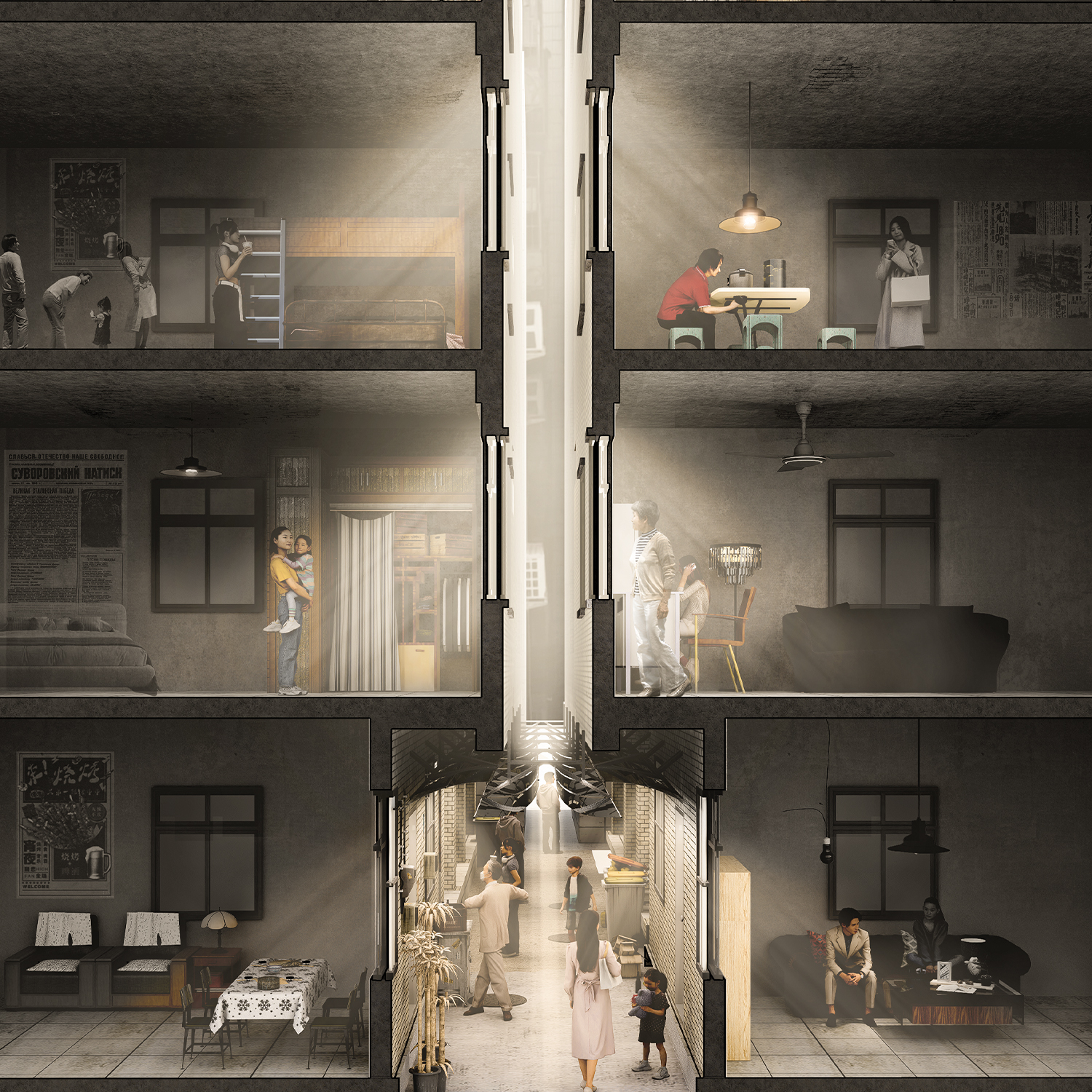
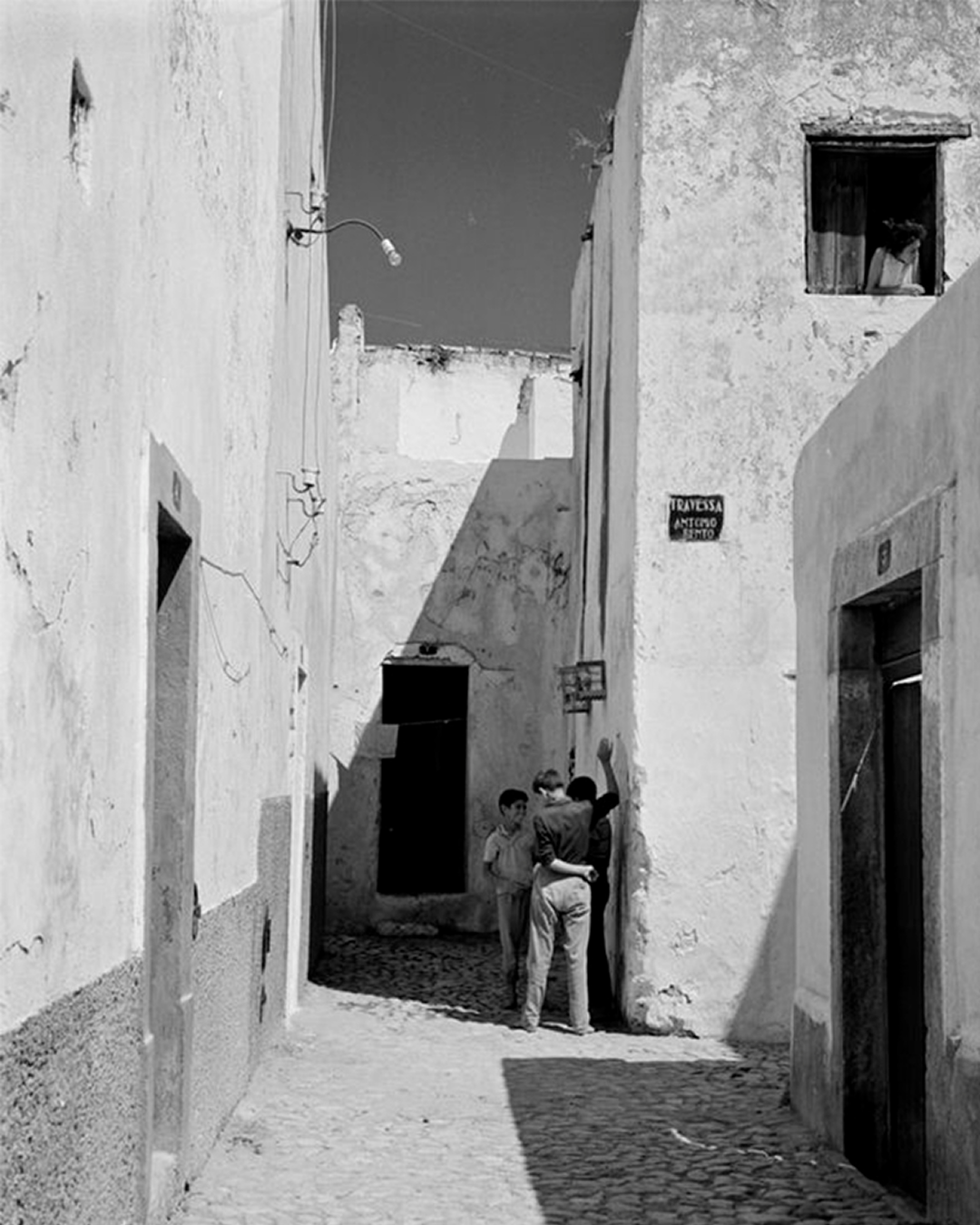
The project does not aim to uniformly illuminate space, but to construct a series of distinct light conditions that guide movement and perception. The ascent is organized through a sequence of calibrated thresholds. At the base, spaces are defined by low, reflected light, where illumination is indirect and unstable. As the visitor progresses, light is introduced through deep lateral openings, grazing textured surfaces and revealing material through shadow and contrast. In the intermediate zones, controlled roof apertures produce diffuse and balanced light conditions. At the top, the architecture opens fully to the sky, allowing direct daylight to enter and marking a spatial and perceptual release. The project operates entirely through passive means. Light is controlled through section, thickness, and orientation, without reliance on mechanical systems.
The architecture responds to the changing position of the sun, producing spaces that evolve throughout the day and across seasons. Each space is defined by a specific light quality, ensuring diversity of experience within a coherent system.By positioning daylight as the primary driver of design, the project establishes a direct relationship between architecture, environment, and human perception. It demonstrates how simple strategies based on geometry, material, and careful calibration, can generate spatial richness, environmental performance, and a meaningful experience of light. Ultimately, the project proposes an architecture in which light is not applied to form, but is the fundamental element through which space is conceived, constructed, and experienced.