2026 - Woven Time
Category
Region 5: Africa
Students
Wambugu Maranga & Henry Ronoh
Teacher
Sarah Mwende
School
Jomo Kenyatta University of Agriculture and Technology
Country
Kenya
Download
Project ↓
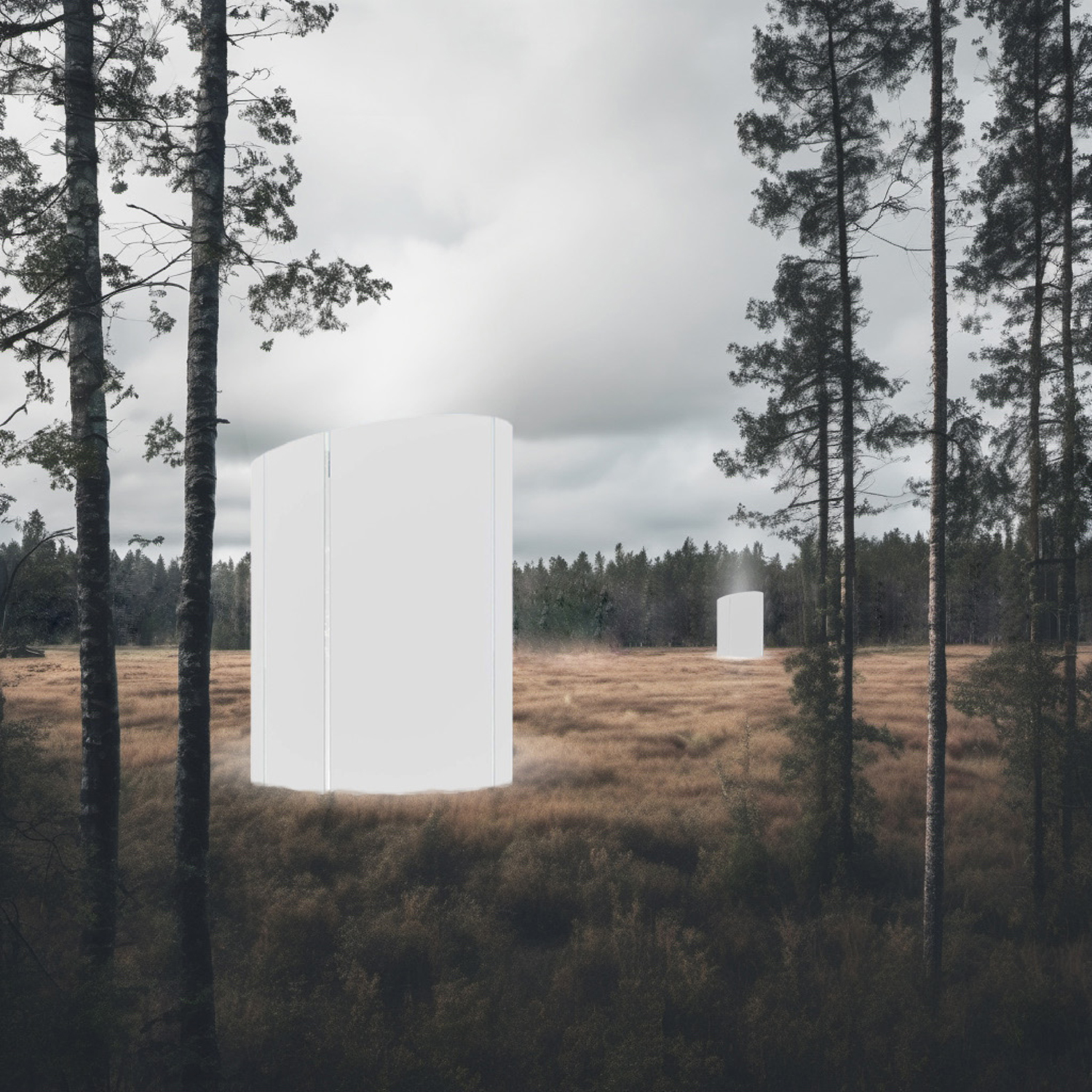
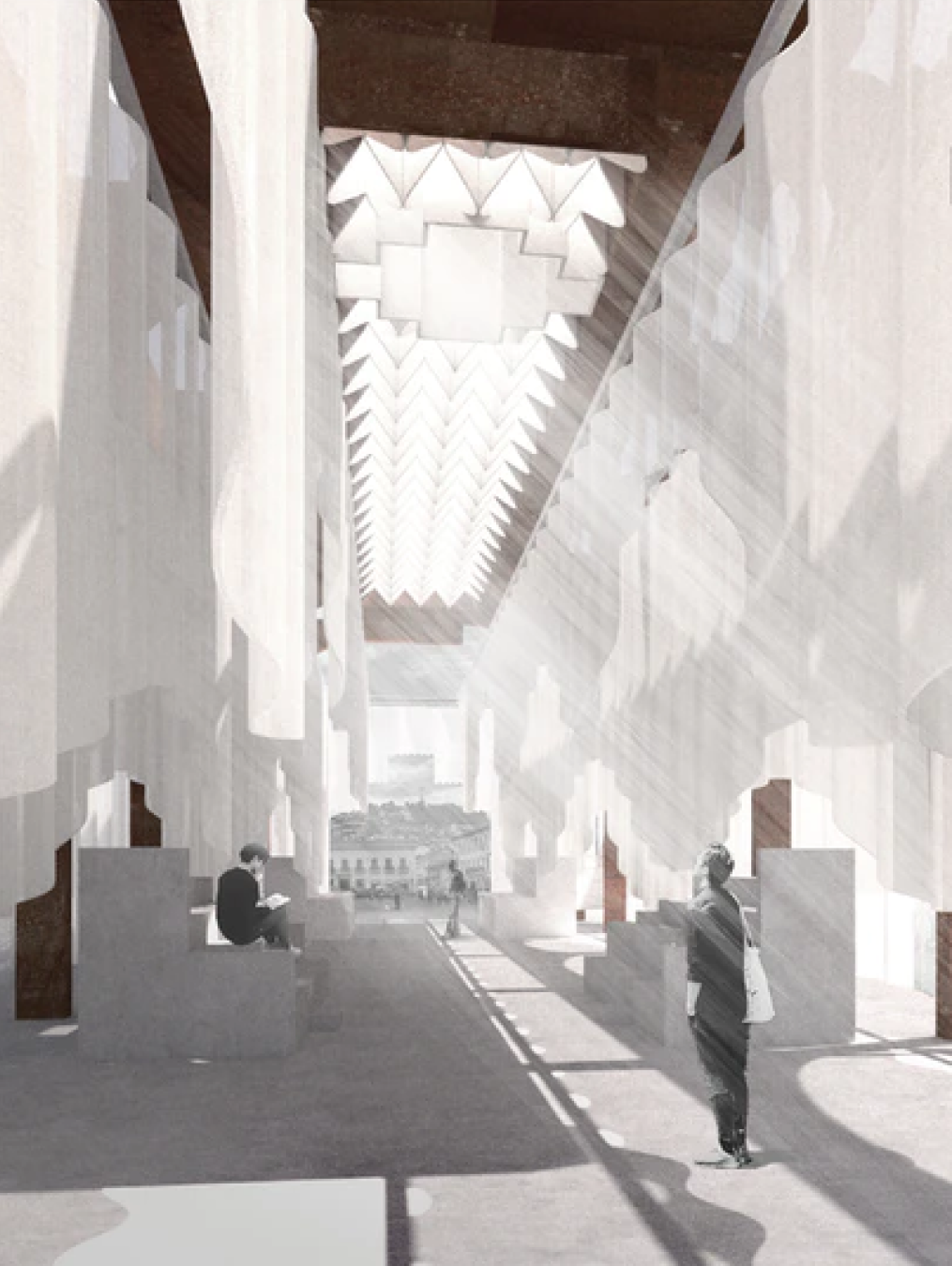
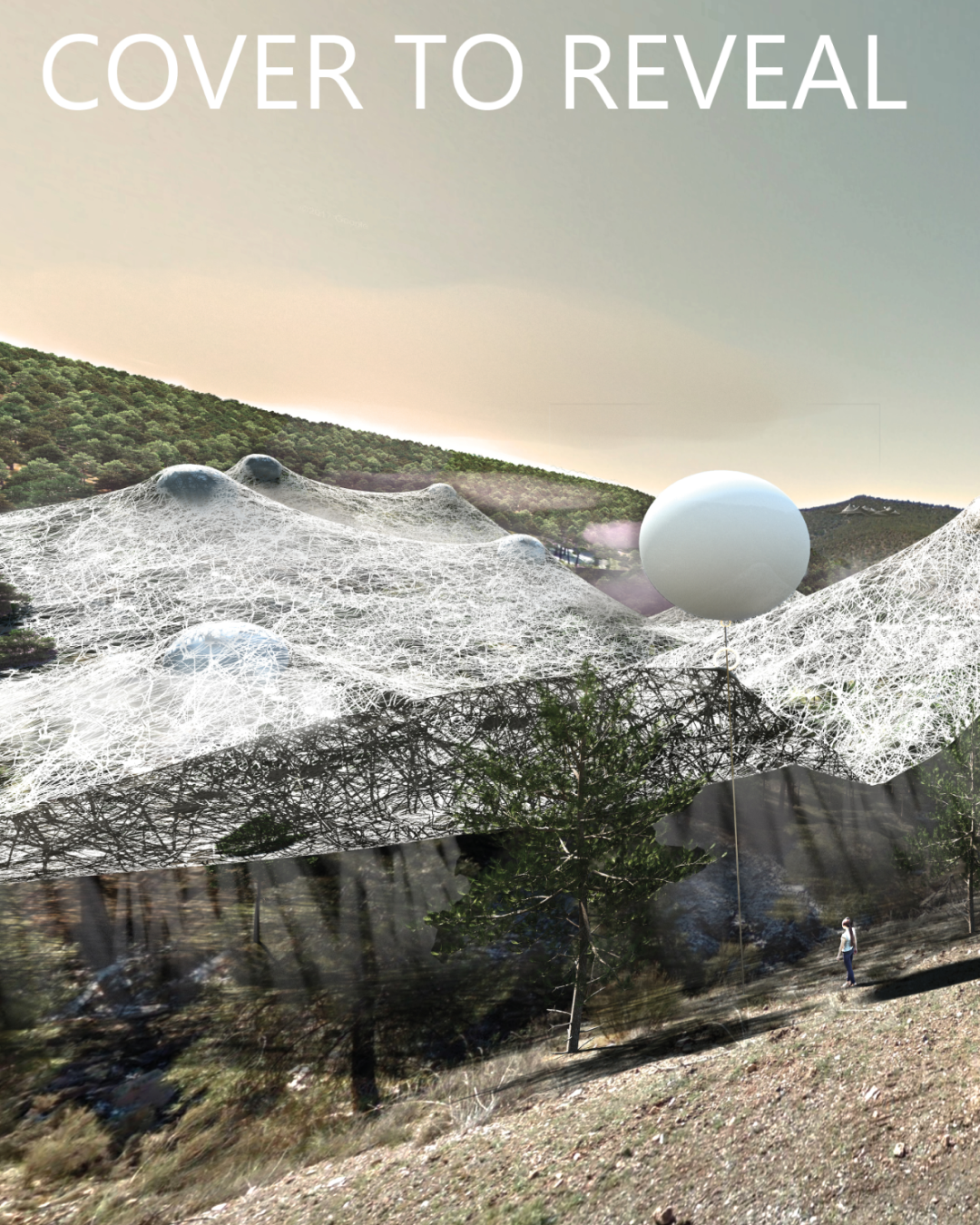
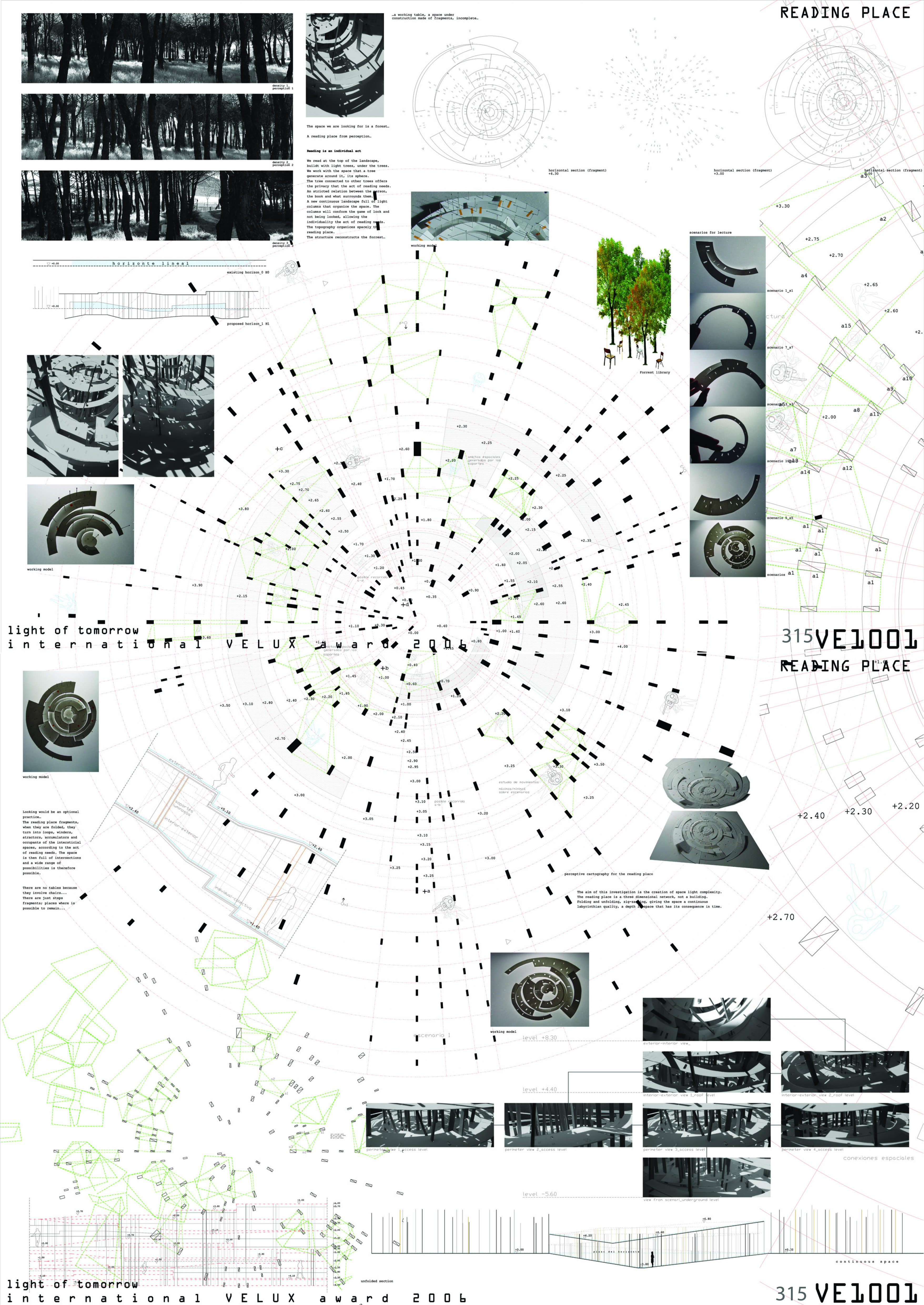
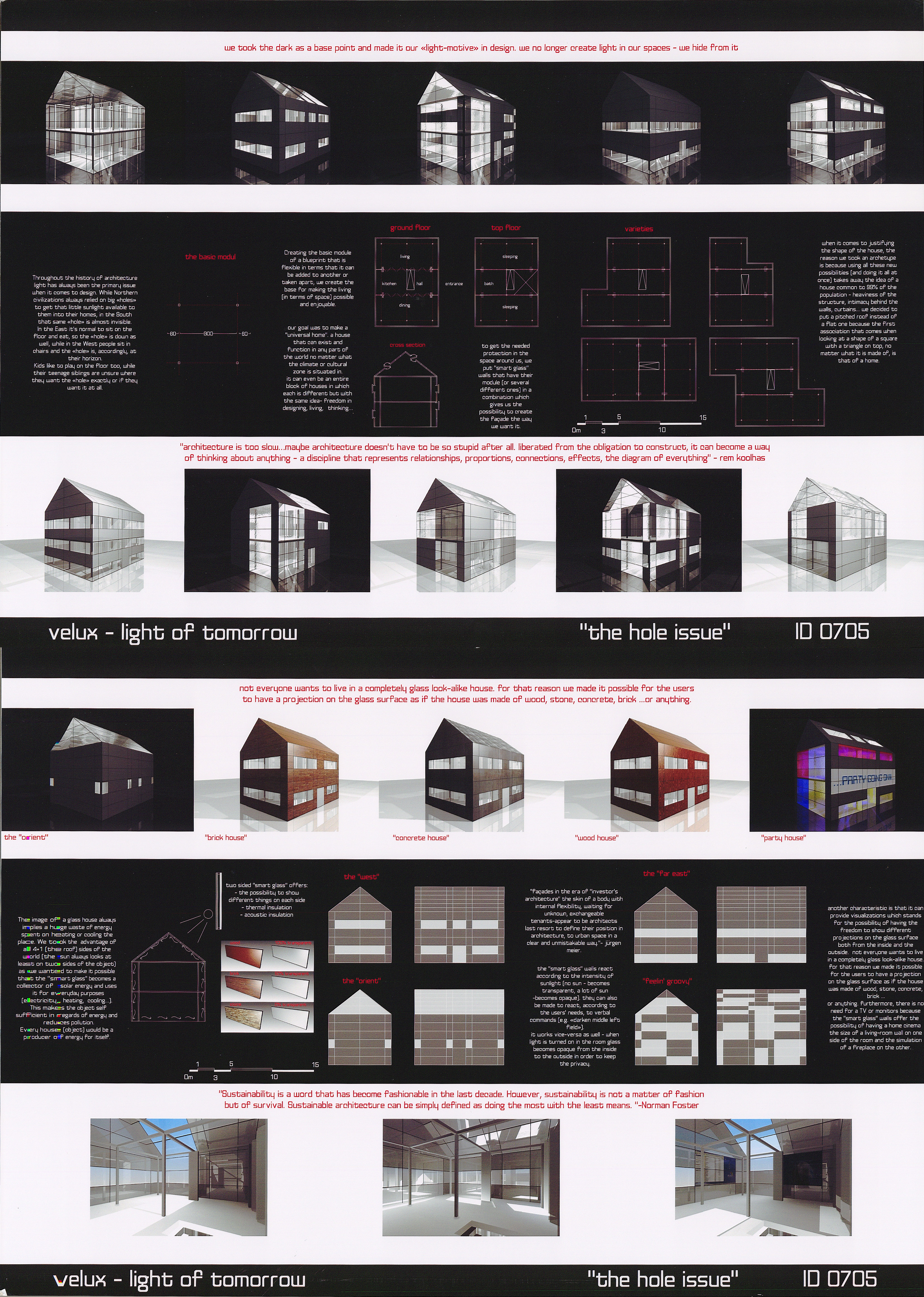
At the center of every Rendille settlement lies the Naabo, a sacred space that is the first to be established, the point from which all else unfolds, with homes and paths orienting themselves around its meaning. Here, land becomes belonging, and community becomes visible. Within this form, elders gather without hierarchy in a shared field of presence to deliberate migrations and guide the rhythm of collective life. At its core burns the Iqqh, the eternal fire. This flame is the pulse of the settlement, an unbroken thread between generations, and a quiet connection to Waq, the divine force that sustains life. Each morning, aromatic woods are placed upon the fire, releasing fragrant smoke that rises like breath, binding the earthly to the unseen.Woven Time proposes a contemporary reinterpretation of the Naabo.
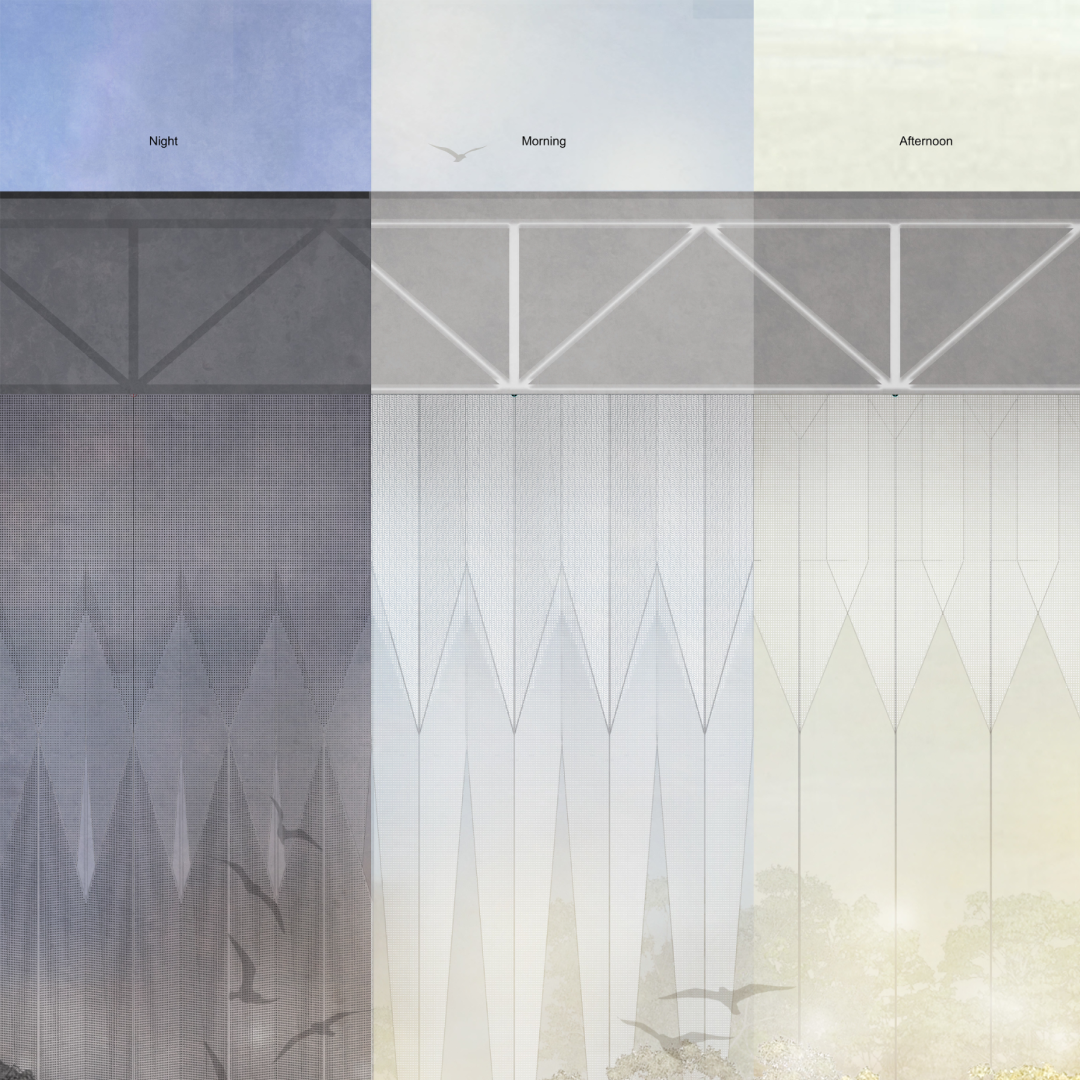
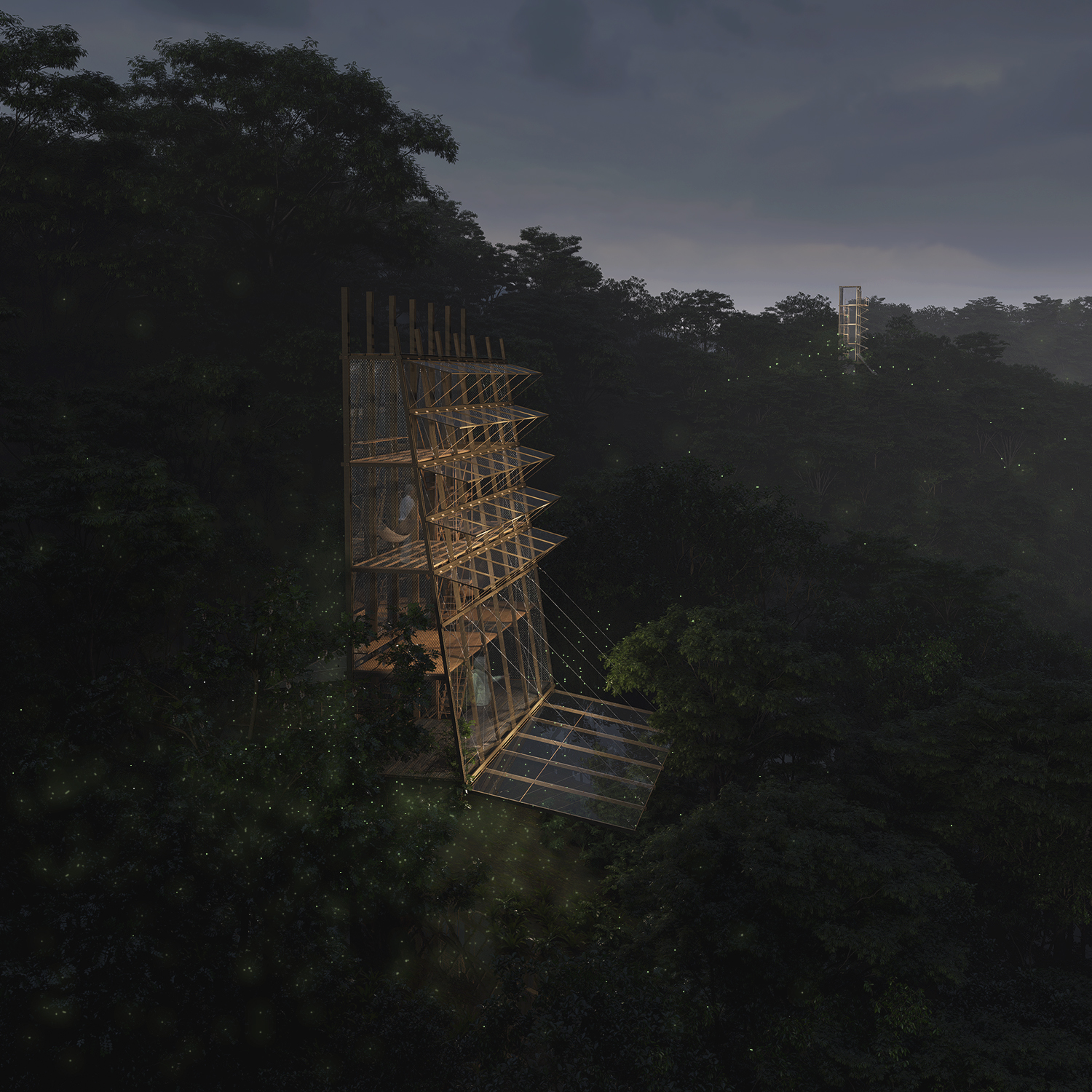
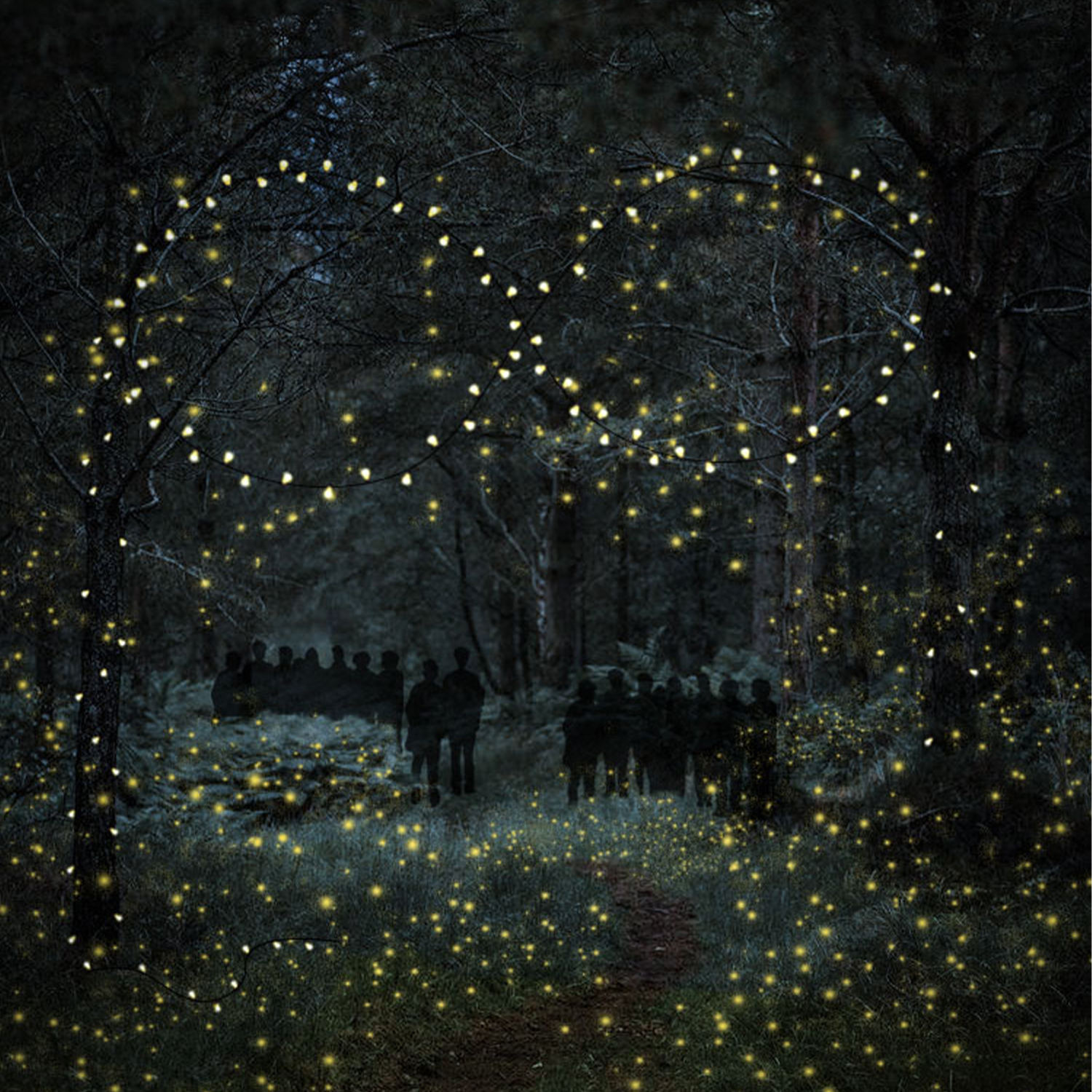
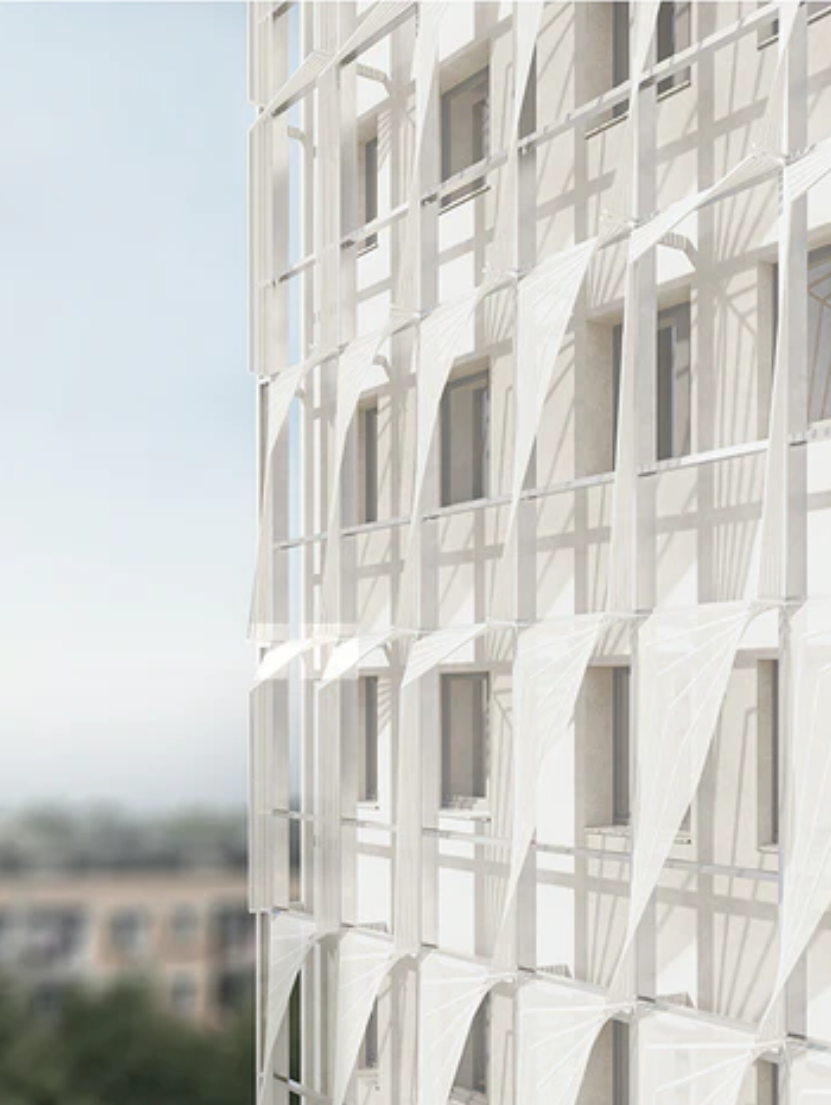
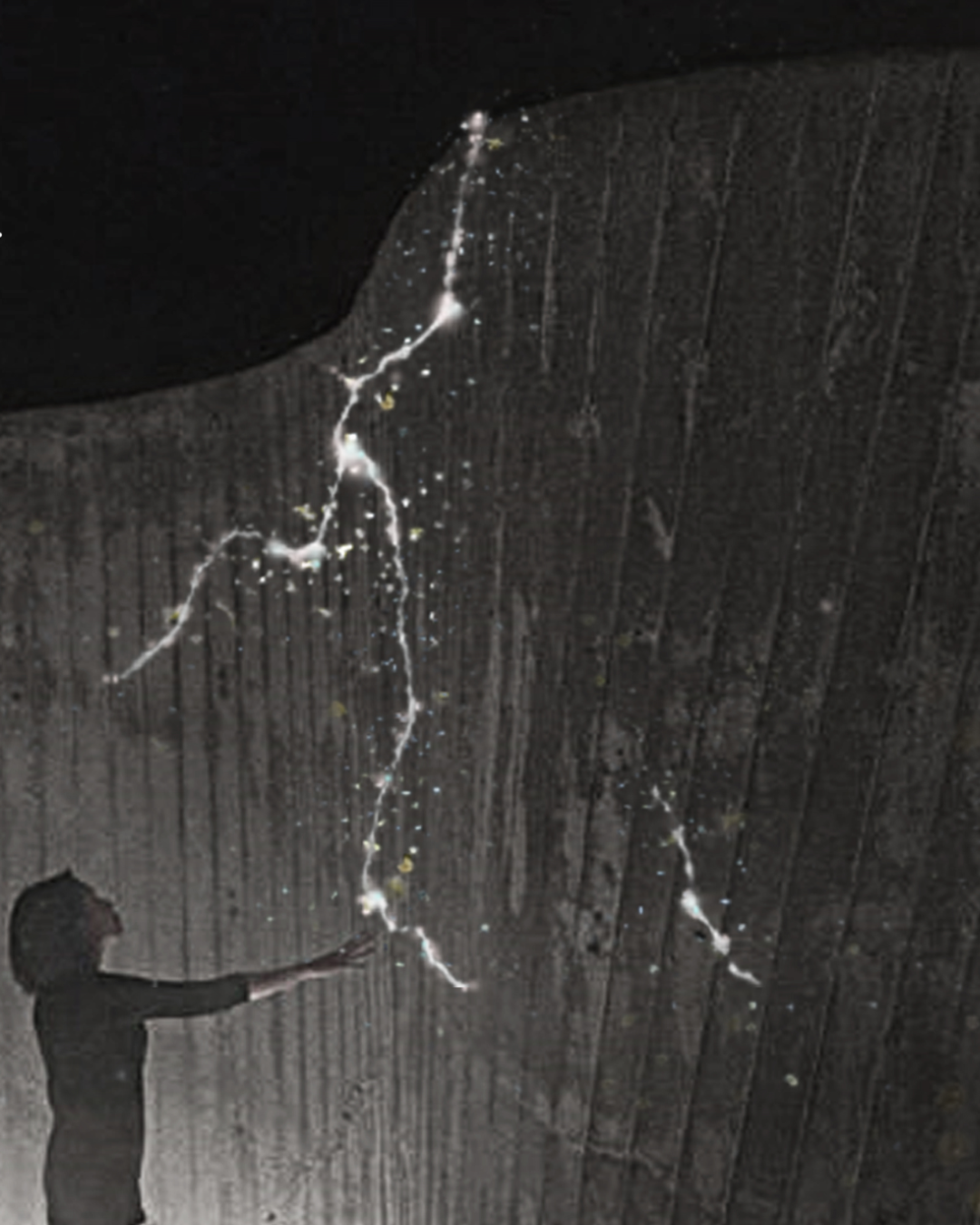
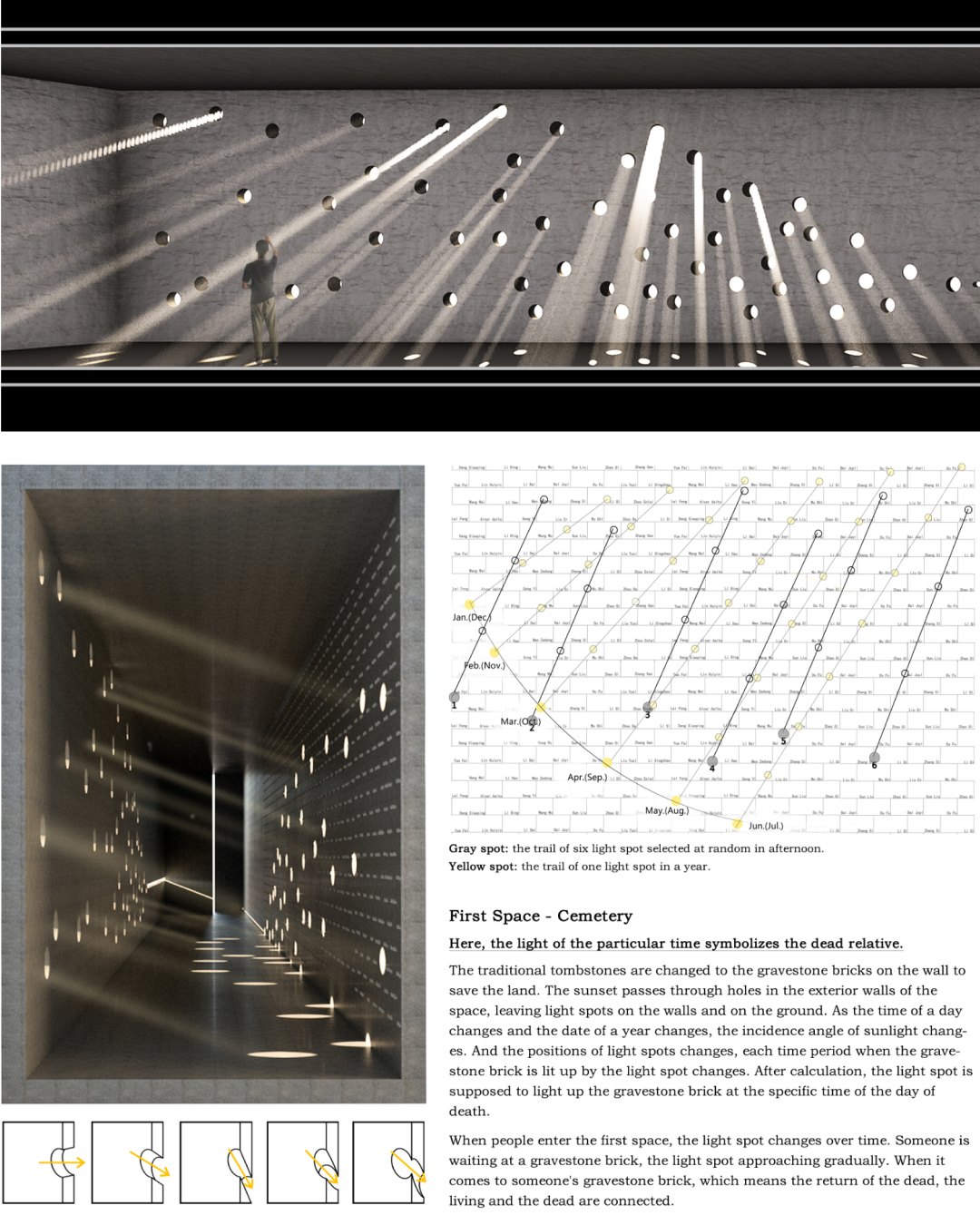
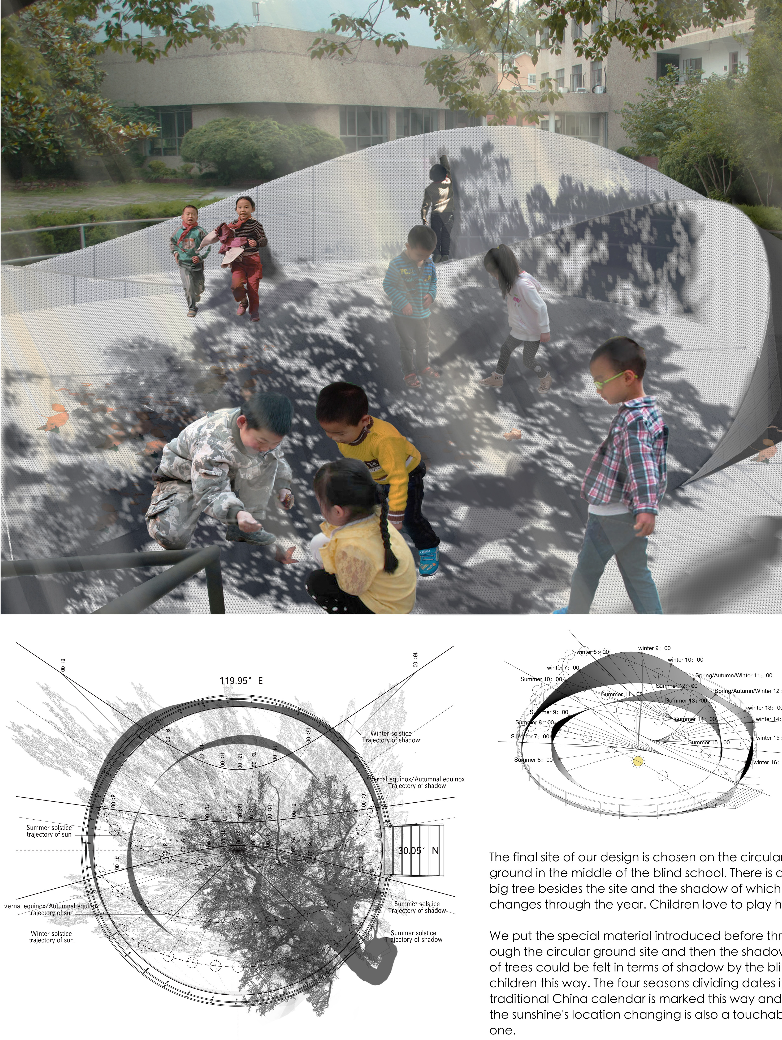
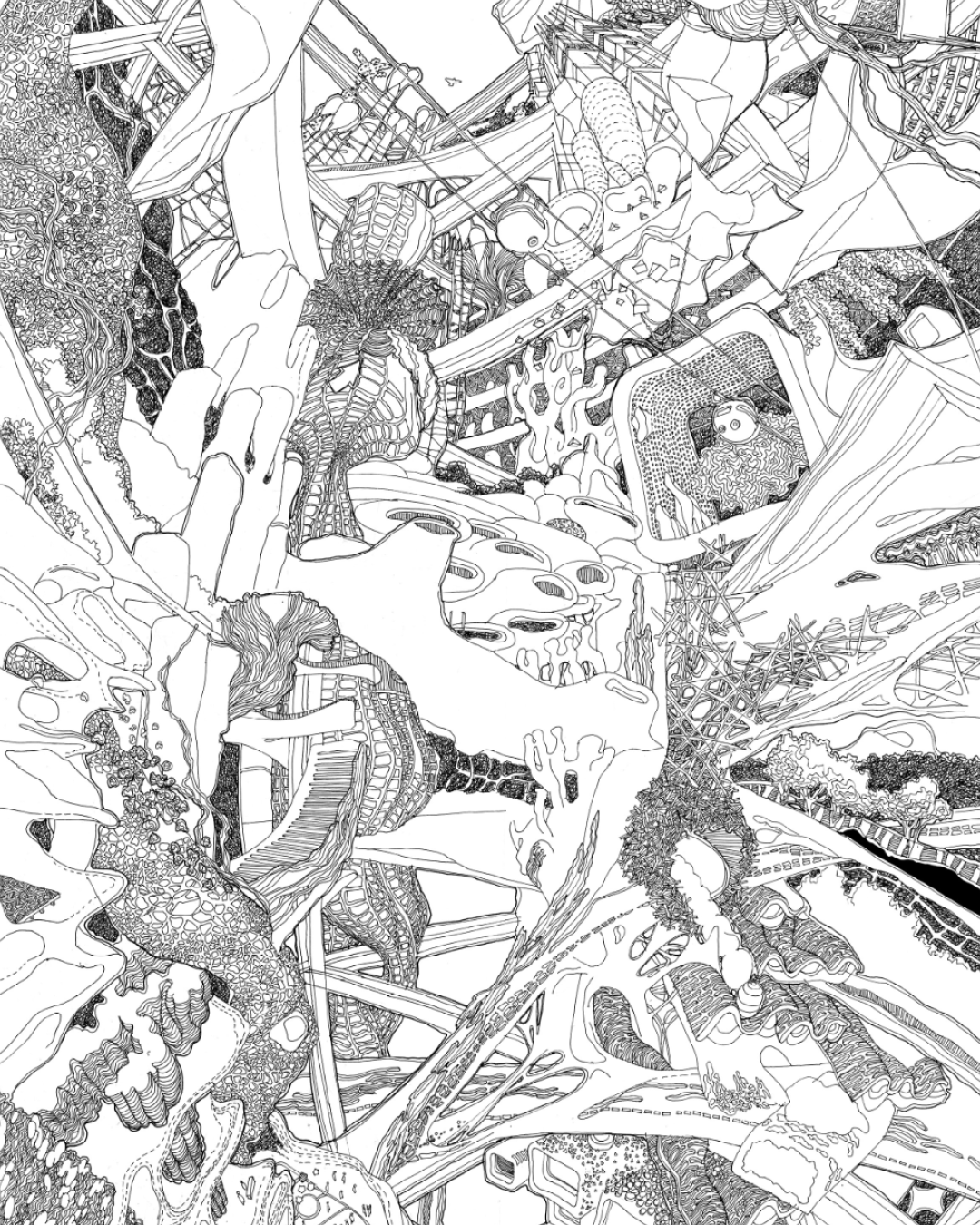
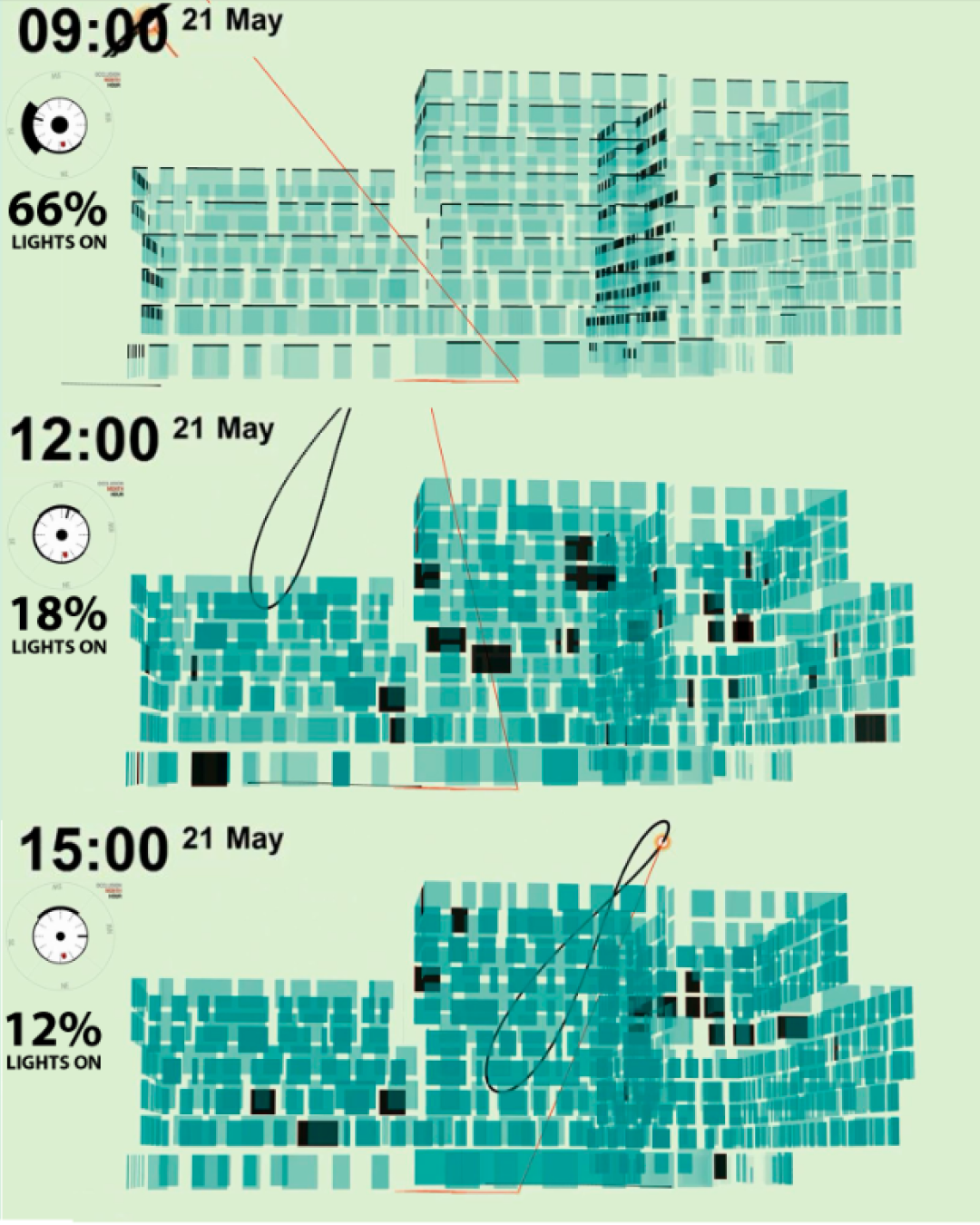

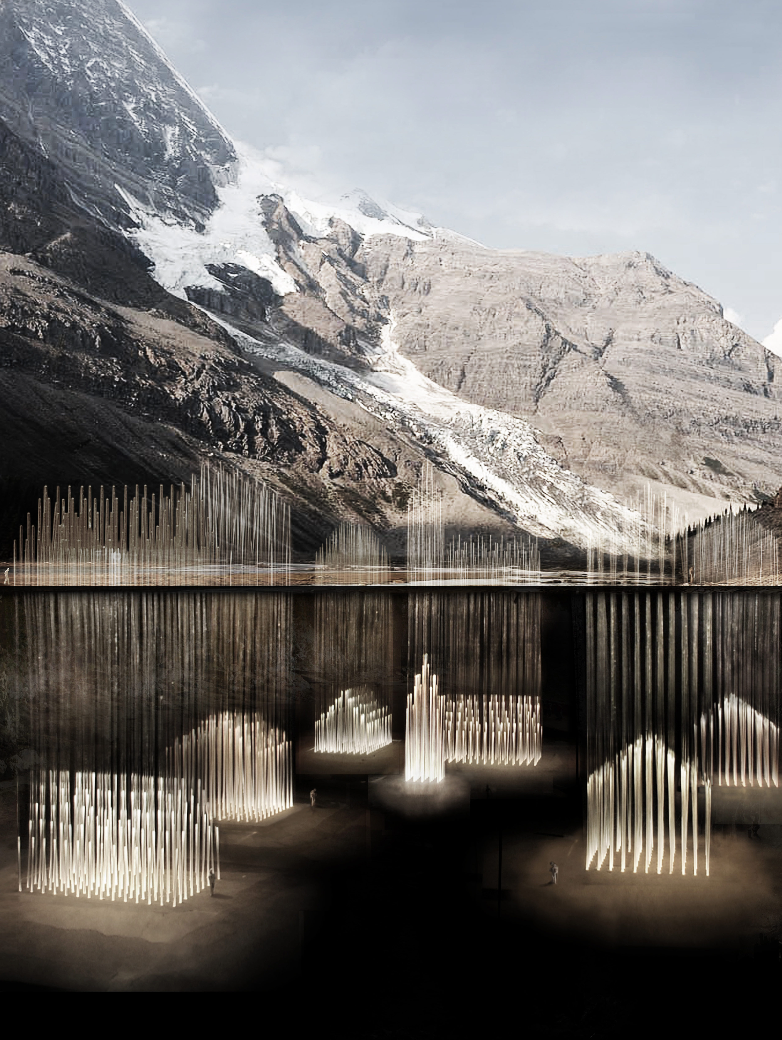
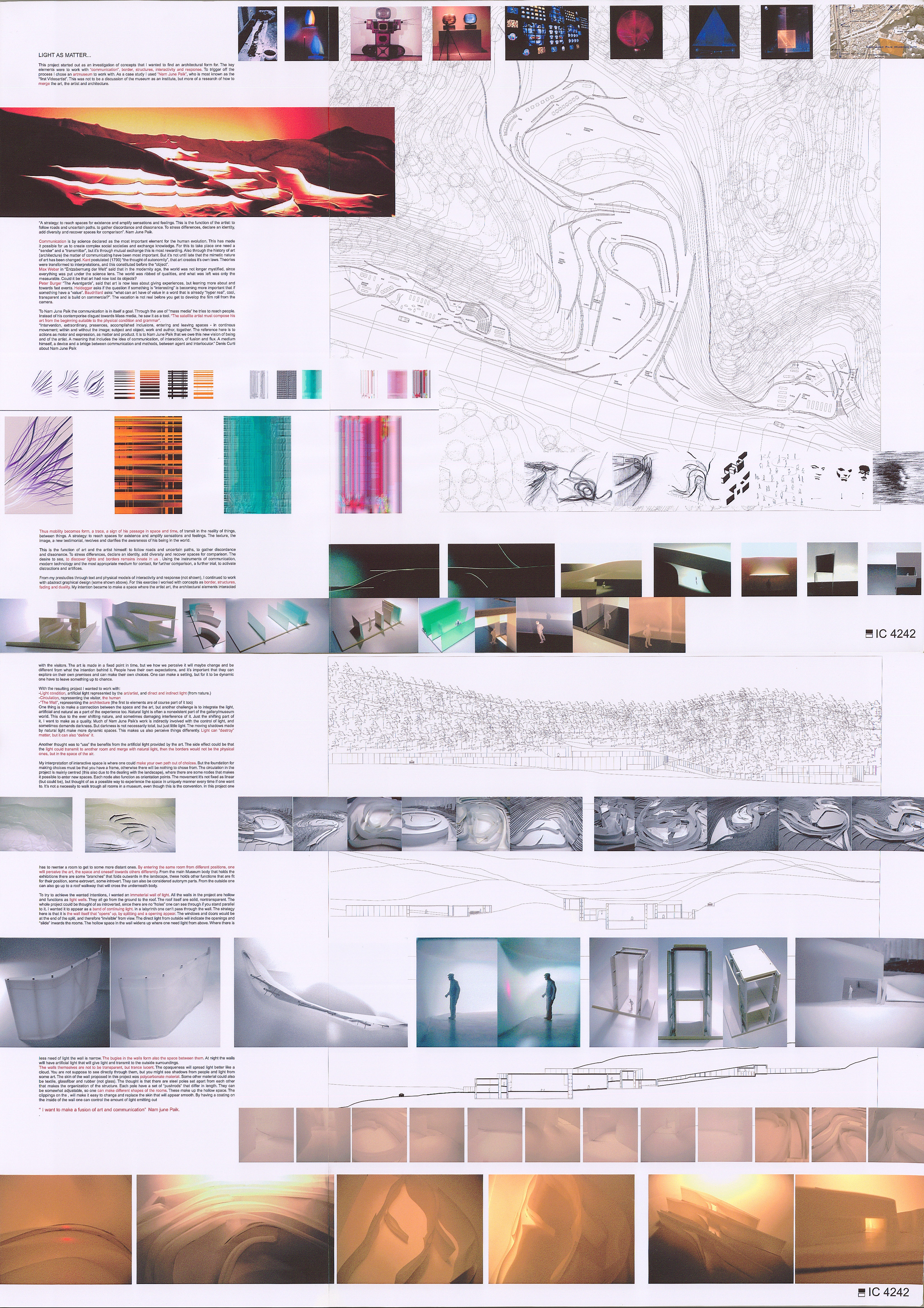
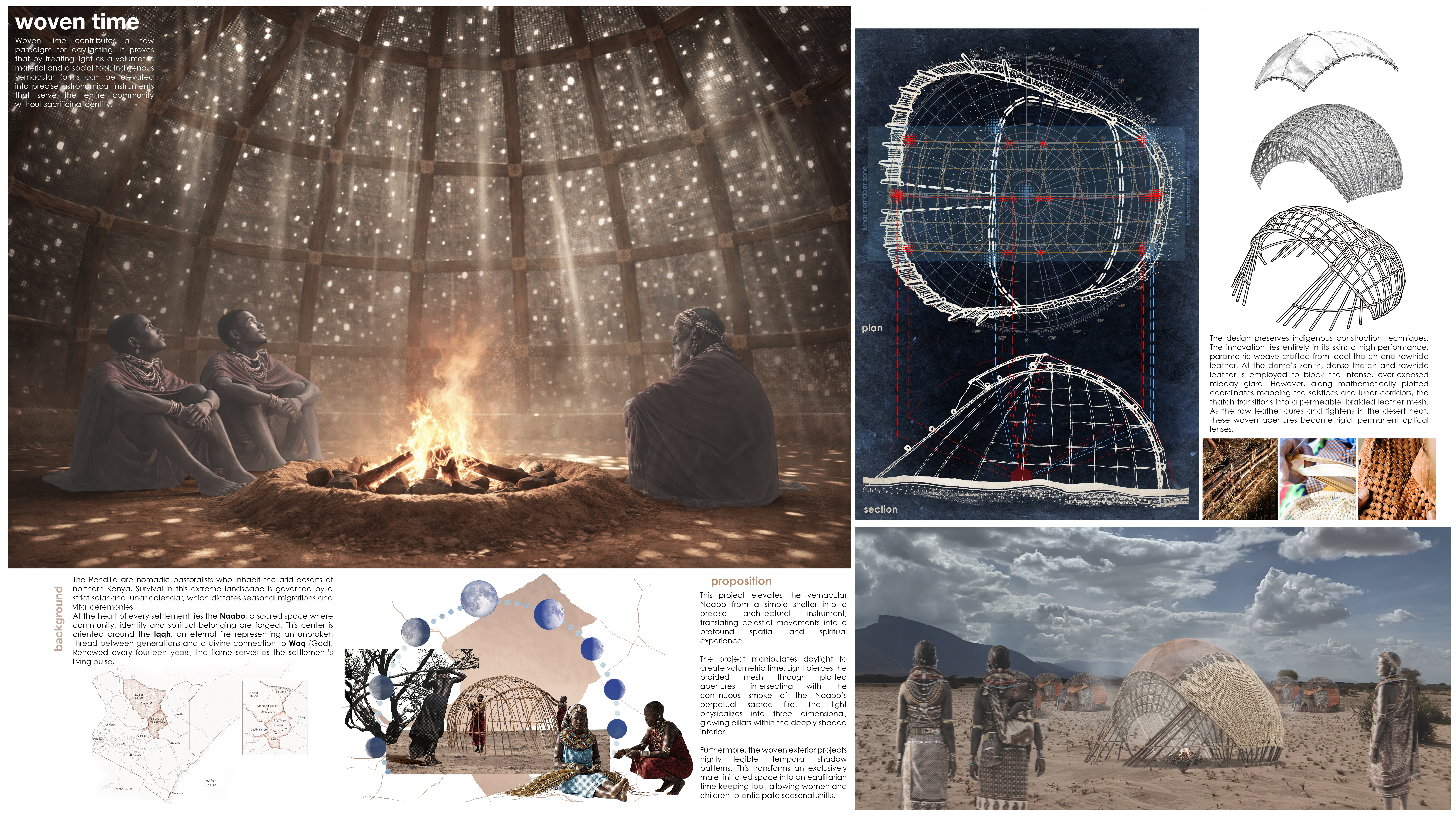
The enclosing membrane has been reimagined as a woven lattice, porous and alive to the movement of air and sun. Utilizing low-tech parametricism, the structure blends local sisal, rawhide, and thatch into a delicate weave that does not enclose as much as it filters, allowing daylight to enter in shifting patterns that mark the passage of time across the ground.By meticulously mapping the structural envelope to solar solstices and the lunar corridors of the Soriyyo ceremonies, the architecture transforms into an astronomical instrument. As the sun moves overhead, precise beams of light pierce through the lattice, touching the earth in fragments like scattered blessings. When these intense shafts of equatorial daylight intersect with the rising smoke of the Iqqh, time is physicalized into glowing, three-dimensional pillars. The ground within the Naabo becomes animated, a canvas of moving illumination. In this environment, daylight becomes an active participant, not merely an external condition.
This experimentation with light does not diminish the sacredness of the Naabo; rather, it deepens it. The woven sisal, drawn from the land itself, becomes both boundary and bridge, mediating between the human and the natural. A profound architectural duality emerges: the Iqqh burns steadily below, its glow constant against the shifting light. Together, fire and daylight create a layered experience of time, viewing the fire as continuous and enduring. Conversely, the daylight represents change, remaining transient and ever-moving. The fundamental importance of this project lies in its ability to democratize an exclusive space while elevating vernacular construction. By projecting precise, woven shadow patterns and light beams, the architecture allows the entire settlement, including women, children, and uninitiated youth, to read the rhythms of the seasons and anticipate celestial shifts. The redesigned membrane does not seek to modernize for its own sake. Rather, it reveals what has always been present: that the Naabo is a space of connection. It fosters connection between people, generations, the physical and spiritual, and between earth and sky. In the quiet meeting of flame and filtered daylight, Woven Time proves that tradition is not fixed; it is carried, shaped, and reimagined, just like the fire itself.